Why Are Sugar Prices Rising in India? Govt Rules Out Ethanol Link, Explains 5 Reasons
Why are sugar prices rising in India? The government has ruled out the ethanol link and cited five key reasons behind the recent increase in sugar prices ahead of the festive season.
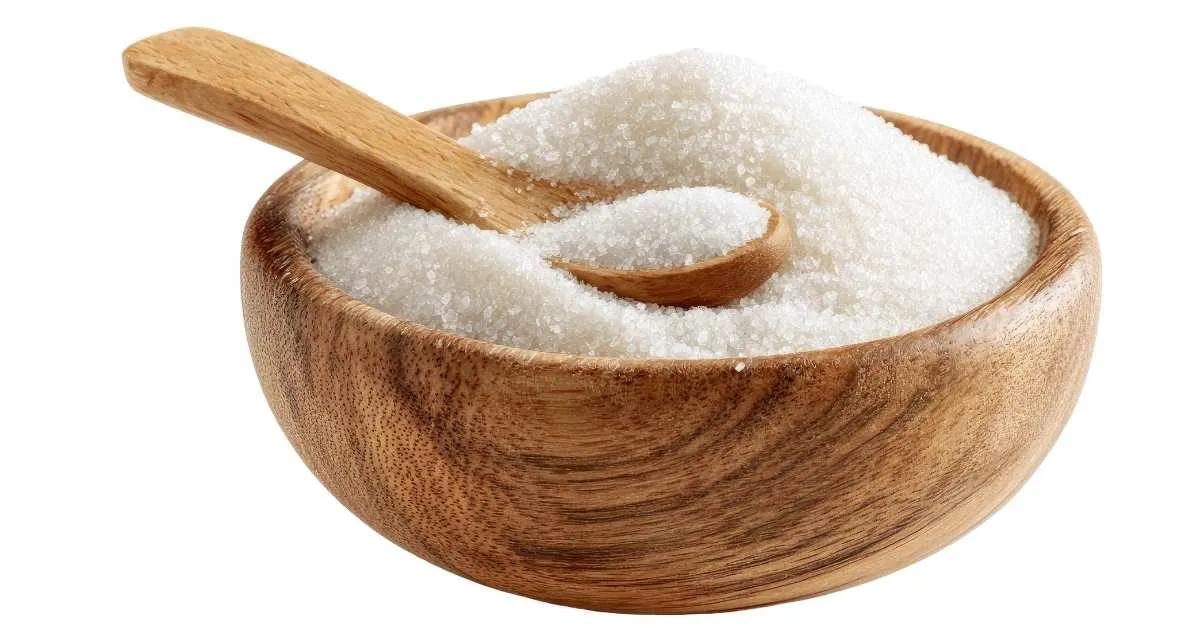
As sugar prices in India rise before the festive season, uncertainty has arisen among people and businesses. The government has stated that the increase has nothing to do with ethanol manufacturing and has explained five prominent reasons behind the price rise.
Thesugarprice in India hasincreased from ₹48.18 on July 20, 2026, to ₹55.70 per kg on August 20, 2026. The government has identifiedthatthecauseofthisincreaseisnotrelatedto the productionofethanol and hasgiven five reasonsbehindthesugarpriceincrease.Thesereasonsincludelowproductionofsugar (306 LMT), festive demandboost, crop loss, global supply problems ($552 per tonne),
Read on to know why sugar prices are going up in India, the government's views and the steps taken to boost sugar availability in the domestic market.
Understanding the Sugar Price Surge
Retail prices of sugar have climbed in India over the last few weeks which has raised alarm bells among both households and commercial users as the festive season approaches. While the debate continues over whether green energy plays a part in affecting food supplies, the Ministry of Consumer Affairs, Food and Public Distribution has come to the fore with explanations on the issue.
The Centre has categorically denied the alleged link between the sugar price rise and ethanol production as the Ministry of Consumer Affairs has provided the details in the previous part of the paragraph.
The Reasons Behind the Increase in Prices
The government has come up with five key factors responsible for the present market situation:
-
Domestic Production Lower than Forecast: Previous estimates for states where sugarcane is cultivated suggested high output figures; however, present expectations have been cut down owing to changing yields.
-
Crop Destruction and Agricultural Disease: Major sugarcane regions were adversely affected by unexpected weather, flash floods, and agricultural diseases like Red Rot.
-
Increased Festive Demand: As the country is heading toward peak festival seasons, demand goes up in a natural way, with commercial buyers and final consumers starting to buy things in bulk.
-
Changes in Supply on a Global Scale: International markets are facing a deficit of sugar, and bad weather conditions in exporting countries have raised prices.
-
Speculation and Hoarding: Speculation by some parties in the supply chain and illegal hoarding have ballooned the artificial shortage in the local markets.
Reasons for Dismissing the Ethanol Connection
Many analysts of the market believed that the ever-growing ethanol-blending program of India was taking the sugarcane away from its sugar production, thus creating a shortage. The government dismissed the notion with the following points:
-
Lowering Diversion Rate: The percentage of sugar diverted towards the making of ethanol decreased from about 12 percent in the previous seasons to about 9 percent now.
-
The Move from Grains: Almost three-fourths of ethanol made in India is now being made from grains like maize, which reduces the dependence of the biofuels segment on sugarcane.
-
Financial Support to Farmers: Transfer of the structural surpluses in the earlier years has helped make the financial status of the mills stable. Thus helping the payment of dues of the sugarcane farmers in an efficient manner.
Steps Taken by Government of India to Control Inflation
The Centre has launched administrative steps to protect consumers and bring price stability.
-
Imposition of Stock Limits: To avoid the artificial shortage of sugar, stock limits have been imposed across India on sugar dealers as well as limits placed in terms of stocks to be held by big buyers.
-
Permission for Import of Raw Sugar Duty-Free: The import of raw sugar, a necessary component in stabilizing sugar prices. It is allowed free of duty which would strengthen the buffer stock in the country.
-
Duty-Free Imports of 10 LMT of raw sugarapproved to beimportedwithoutdutiestoboost domestic availability.
-
-
Physical Verification: Inspection teams have been deployed to monitor the stocks of various mills and bust illegal hoarding throughout the country.
-
Launchofcrushingseasonearlysinceitwasdecidedtoinformthe states and sugar mills to commence crushing early from 15th October, 2026, resultinginarisein production from 3-4 LMT to morethan 10 LMT inOctoberthusaidinginensuringsufficient availability during the festive season.
Authorities claim that the availability of buffer stock at the national level is adequate and that prices would stabilize in the future with implementation of remedial measures.

Manisha Waldia is a distinguished content strategist with 5 years of experience crafting premium educational content for UPSC and State PCS, with a focus on deep conceptual analysis across Polity, Geography, History, and Environment. She currently brings this expertise to Jagran Josh, where she covers major national and international events, current affairs, and static general knowledge. Over her career, Manisha's specialized insights have led her to curate high-impact materials and serve as a UPSC Mains answer-evaluator for India’s top institutes—including Drishti IAS, Shubhra Ranjan IAS, Study IQ, GS Score, and PWonlyIAS. She has also worked alongside leading NGOs like Oxfam India and Avani Kumaon.
Contact: manisha.waldia@jagrannewmedia.com






![[लिंक] Rajasthan Computer Instructor Admit Card 2026 LIVE: बेसिक और वरिष्ठ कंप्यूटर अनुदेशक एडमिट कार्ड जारी, SSO ID से डाउनलोड करें हॉल टिकट](https://img.jagranjosh.com/images/2026/August/1982026/Computer-instructor-admit-card-2026.jpg)