Show Key Points
India has a vast network of waterways, with more than 400 rivers grouped into major river basins. These rivers shape the country's geography, stretching from the Himalayas down to the Deccan plateau.
The Ganga is the longest river in India, and the Brahmaputra is the widest. Many rivers have unique nicknames. For example, the Damodar is called the "Sorrow of Bengal".
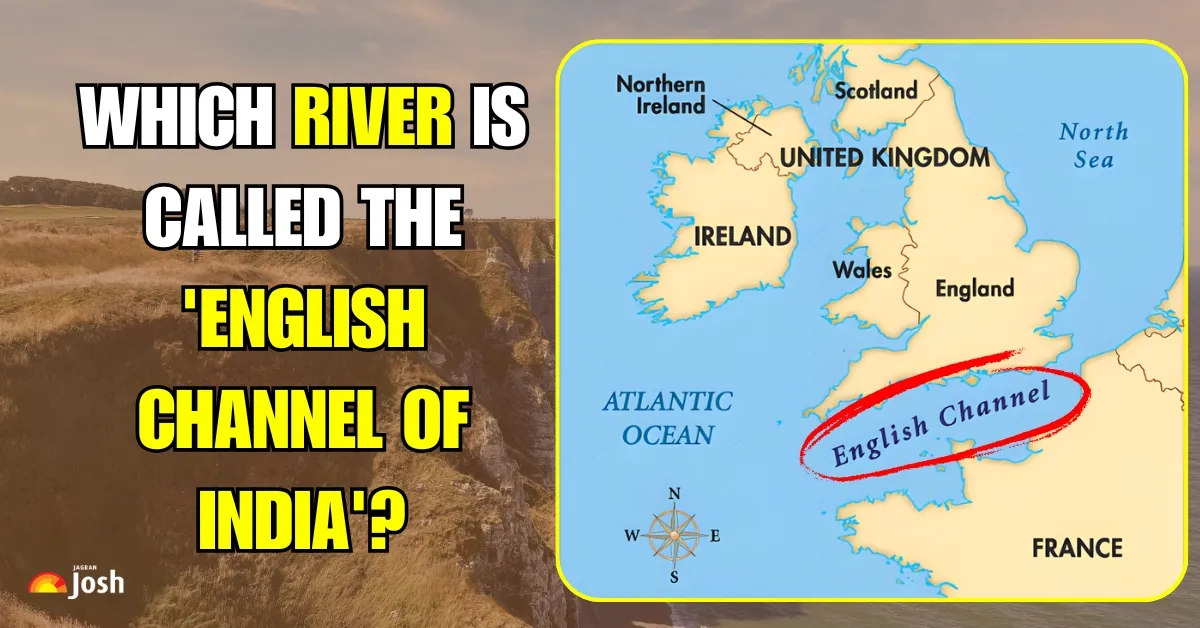
Have you ever wondered which river is known as the "English Channel of India"? In this article, we will explore its history, location, and the interesting reason behind this unique name.
ALSO READ| Which River is known as the Black River of India?
Which River is Known as The English Channel of India?

Source: Flickr
The Mahe River is often called the "English Channel of India". This nickname dates back to the colonial era, when the river marked the border between British-ruled areas and French-ruled Mahé.
Like the real English Channel divides England and France, the Mahe River separates these two colonial powers in India.
Origin and Path
The river begins its journey in the Sathya Sahyadri hills of the Western Ghats, located in the Wayanad district of Kerala. It is a relatively short river, stretching about 54 kilometres. As it flows, the river passes through two main regions:
- Kerala: It travels through the Kozhikode and Kannur districts.
- Puducherry: It enters the enclave of Mahe.
Where it Empties
The Mahe River finally completes its journey at the town of Mahe. Here, it empties into the Arabian Sea.
7 Lesser-Known Facts About the Mahe River
- The river serves as a geographic border between the Kozhikode and Kannur districts for much of its length.
- The estuary area is home to diverse mangrove species that protect the shoreline from erosion and support marine life.
- Despite its fame, it is one of the shorter rivers in the state, measuring only around 54 kilometres from source to sea.
- Because it is close to the coast, the lower reaches of the river experience significant tidal changes from the Arabian Sea.
- During the 18th century, crossing this river literally meant moving from British-controlled India into French-controlled territory.
- The river basin supports a variety of migratory bird species and local fish, contributing to the ecological health of the Western Ghats.
- Scientific studies show the river carries specific nutrient-rich sediments that support the local backwater ecosystem.
IN CASE YOU MISSED| Which River is known as the Emerald River of India?
Why is the Mahe River called the English Channel of India?
The Mahe River, natively known as the Mayyazhipuzha, is called "The English Channel of India" because of its special place in colonial history.
Like the English Channel that separates England and France, this river acted as a natural and political border in India. Here's a simple explanation of why it got this name:
i. A Divide Between Two Powers

Source: Wikimedia Commons (French India 1815)
During the 18th and 19th centuries, India was not a single unified country. Different parts were ruled by different European powers.
- The British Side: The British controlled the areas of Kozhikode and Kannur (part of the Malabar District).
- The French Side: The French controlled the small enclave of Mahe.
The Mahe River flowed right between these two territories. Crossing the river meant you were travelling from a British-ruled land into a French-ruled one.
ii. Quick History: The Mahe River Border

Source: Reddit
These dates show that for more than 200 years, the Mahe River was not just a body of water. It acted as a political barrier.
| Year | Event or Treaty | Importance |
| 1724 | French Occupation | The French East India Company settled in Mahe, making the river a boundary. |
| 1763 | Treaty of Paris | This global treaty officially recognised Mahé as French territory. |
| 1783 | Treaty of Versailles | Confirmed French control over Mahe after years of British-French conflict. |
| 1814 | Treaty of Paris (Updated) | Restored Mahe to France after the Napoleonic Wars, solidifying the river border. |
| 1954 | De Facto Transfer | The French left India, and the river ceased to be a colonial "English Channel". |
On the north side, British laws and taxes were enforced. On the south side, French laws and culture shaped daily life. This is why the nickname "The English Channel of India" became so common in India for the Mahe River.
iii. Why the "English Channel"?
The name was given by historians and locals because the geography mirrored the English Channel in Europe.
- Geography: It is a narrow body of water that separates the territories of two distinct nations.
- Strategic Value: Both the British and the French guarded their side of the river closely to monitor trade and military movements.
Conclusion: The Story Behind the English Channel of India
The Mahe River may be small, but it has played an important role in India’s history. It is not just a river but also a symbol of the country’s colonial past.
The river once marked the boundary between British and French territories, which is how it got its well-known nickname.
Today, even though the colonial powers have left, the name is still well known. It reminds people of a small river in Kerala that once marked the border between two of the world’s largest empires.
WHAT'S NEXT| Which River Is Known As The Blue River Of India?



Comments
All Comments (0)
Join the conversation