Key Points
- Kuttanad, Kerala is called the 'Netherlands of India' due to its below-sea-level farming.
- Kuttanad's rice fields lie 1.2 to 3.0 meters below sea level, a globally rare feat.
- FAO recognizes Kuttanad as a Globally Important Agricultural Heritage System (GIAHS).
India is a land of incredible beauty. It is a vast country full of diverse landscapes. You can find everything here: towering mountains, serene backwaters, green fields, and busy cities.
Every corner of India holds a unique sight.The sheer variety makes India truly special. It is a country that offers an unforgettable experience to every traveller.
Also, some places in India are compared to famous international destinations. They share similar stunning features or unique geographic traits. These comparisons highlight India's global charm.
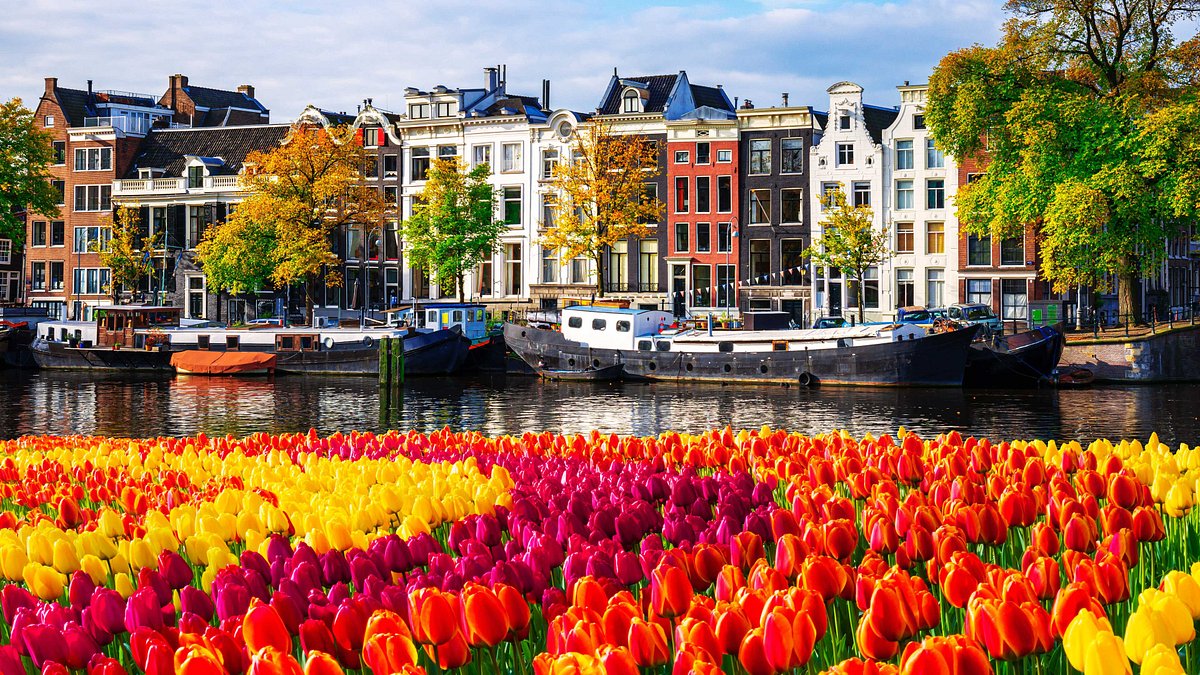
Do you know there is a place in India which is known as the 'Netherlands of India'? This name suggests a particular, beautiful type of scenery. In this article, we'll uncover why it earned this unique title and what makes it a must-visit destination.
Which Place Is Known As The Netherlands Of India?
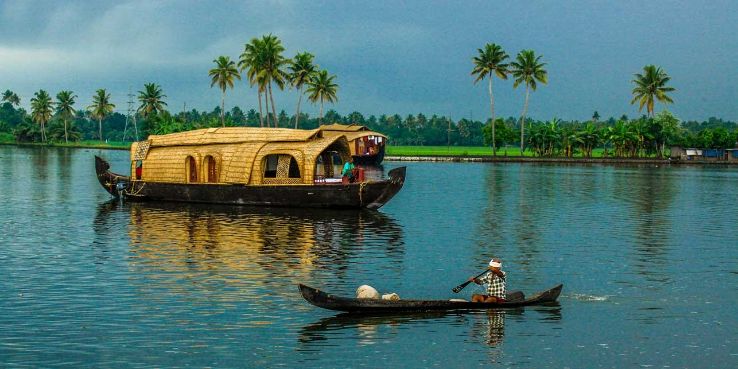
The place famously known as the 'Netherlands of India' is Kuttanad, located in the state of Kerala. This unique geographical area spans the districts of Alappuzha, Kottayam, and Pathanamthitta.
The Netherlands is a low-lying European country, much of which has been reclaimed from the sea or lies below sea level, a phenomenon known as polder systems.

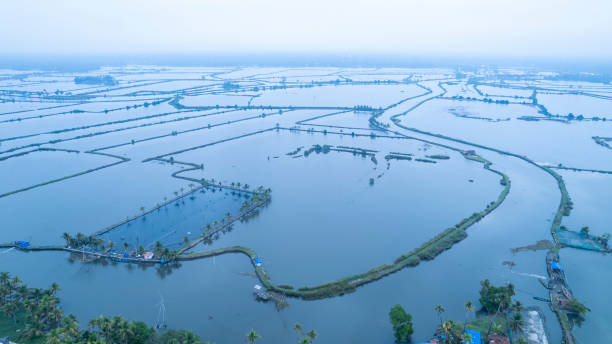
Kuttanad is called the 'Netherlands of India' because, like the Dutch landscape, it is the lowest altitude region in India, with large areas of paddy fields and cultivation situated 1.2 to 3.0 metres below mean sea level (MSL).
This below-sea-level farming is a rare feat globally. The landscape is a vibrant mosaic of vast, lush green rice fields, crisscrossed by a complex network of rivers, canals, and backwaters, including the Vembanad Lake.
This system relies on massive earthen barriers (bunds) and water management techniques, similar to those in the Netherlands, to prevent flooding and salinity, making Kerala the 'Rice Bowl of Kerala'.
10 Lesser-Known Facts About Kuttanad
- Globally Important Agricultural Heritage System (GIAHS): Kuttanad's below-sea-level farming system is officially recognised by the Food and Agriculture Organisation (FAO) of the UN.
- Bio-Saline Farming: Local farmers practise a form of biosaline farming in which salinity is carefully managed, enabling cultivation in reclaimed brackish wetlands.
- Black Soil Origin: The name Kuttanad is often linked to the term Chuttanad (burnt land), supported by historical evidence of the burning and mining of black, burnt wood (peat) from some paddy fields.
- Delta Formation: Kuttanad is a river delta landscape fed by four principal rivers: Pamba, Meenachil, Achankovil, and Manimala, which drain into the Vembanad Lake.
- Thanneermukkom Bund: A significant salinity barrier built across the Vembanad Lake, it divides the lake into two parts, one freshwater for farming and the other brackish.
- Indigenous Dewatering: Farmers traditionally use a water-bailing system called 'Pettiyum Parayum', a motorised version of a scoop wheel, to drain water from the fields.
- Rice Variety: The region primarily cultivates the special 'Punja' rice crop, a salt-tolerant variety suited for the unique hydromorphic soil.
- Ancient Trade Routes: Historically, the intricate waterways served as primary trade and transport routes, long before modern roads, connecting coastal ports to inland areas.
- Home of Kettuvallams: The traditional rice barges called Kettuvallams, which are now popular as houseboats, originated here to transport the abundant rice harvest.
- A Ramsar Site: The Kuttanad-Vembanad wetland ecosystem is designated a Ramsar site, a wetland of international importance, highlighting its rich biodiversity.
WHAT'S NEXT| Which Place Is Known As The Norway Of India?



Comments
All Comments (0)
Join the conversation