Key Points
- Siquijor, in the Philippines, is known as the "Island of Fire."
- Spanish explorers in the 16th century named it "Isla del Fuego."
- Fireflies lit up molave trees at dusk, creating a fiery glow.
Did you know there are more than 900,000 islands in our planet's oceans? These unique landforms are areas of land that are completely surrounded by water. Because islands are so unique, they often get famous nicknames.
Some are called the "Emerald Isle" for their lush grass, while others are known as "Paradise on Earth". These names usually reveal something about the island's weather, history, or nature.
But one specific island has a much stronger title. It is known for its glowing heat and strong volcanic activity.
Do you know which island is known as the Island of Fire? In this article, we will explore this amazing place and find out why it earned such a fiery reputation.
ALSO READ| Why Greenland Is Called a Mineral-Rich Island?
Which Island is known as the Island Of Fire?

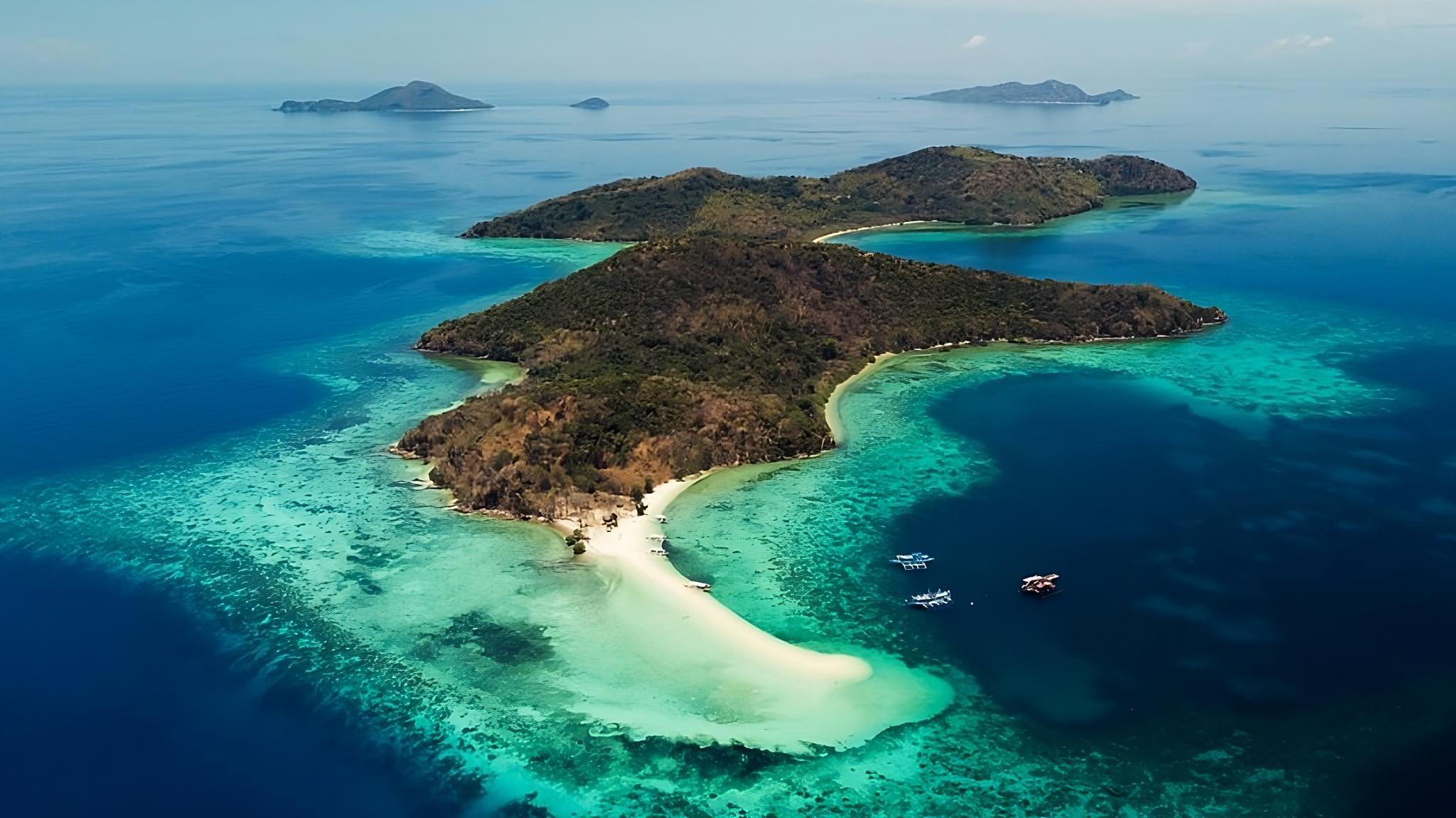
Siquijor, famously known as the Island of Fire, is a small tropical island province in the Central Visayas region of the Philippines. It is located in the Bohol Sea, south of Cebu and southeast of Negros Oriental.
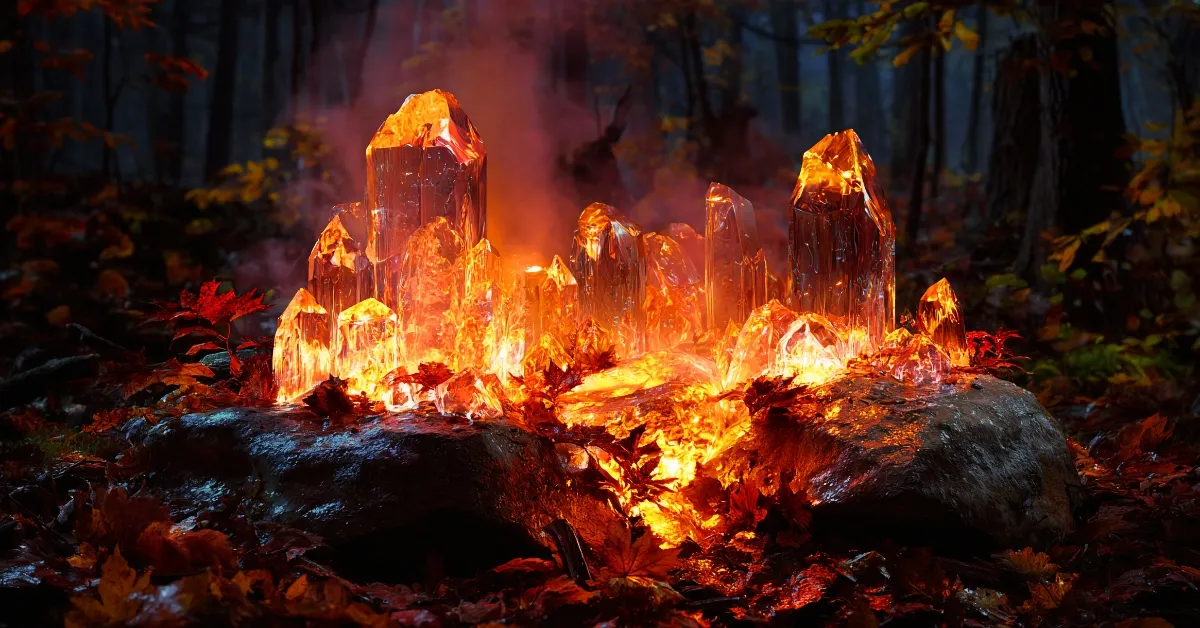
It earned its fiery nickname, “Isla del Fuego” (“Island of Fire”), from Spanish explorers in the 16th century. Thousands of fireflies lit up its molave trees at dusk, making the island glow as if it were on fire.
Today, Siquijor is known not only for its name but also for its beautiful beaches, waterfalls, coral reefs, and a rich mix of Catholic traditions and ancient folk beliefs.
10 Lesser-Known but Fascinating Facts about Siquijor
- The name "Island of Fire” came from fireflies swarming the molave tree branches at night, a sight once visible from afar.
- In the Philippines, Siquijor ranks as the third smallest province by both land area and population.
- Before the Spanish arrival, the island was known as Katugasan, named for the molave (“tugas”) trees that dominated its hills.
- Siquijor’s landmass is mostly made of coralline limestone. This limestone comes from ancient coral reefs that were compacted over time. It shows that the island was once underwater.
- Farmers frequently discover giant clam (Tridacna) fossils in fields far from the coast.
- Locals practise ancient herbal healing and spiritual rituals that tourists sometimes experience.
- An old giant balete tree has a spring at its roots, believed by some to have healing properties.
- The waters near Siquijor belong to the Coral Triangle, which is one of the most diverse marine areas on Earth.
- The island's marine ecosystems consist of mangrove forests, seagrass beds, and fringing coral reefs. Each of these is important for ecological health.
Why Is Siquijor Called The Island Of Fire?
Source: Siquijor Best of
The reason why Siquijor is called the "Island of Fire" (Isla del Fuego) is as follows:
- Named During Spanish Colonial Exploration: Spanish explorers in the 16th century officially called the island Isla del Fuego (Spanish for "Island of Fire").
- Glow from Fireflies (Bioluminescence): This nickname comes from the natural glow of fireflies, which are bioluminescent insects. They gather in large numbers among the molave and mangrove trees at night. This makes the island look as if it is glowing or "on fire".
- Visible from a Distance at Night: The number of fireflies was so high that their combined light was visible from ships approaching in the surrounding seas. This created the impression of a fiery coastline.
- Cultural Recording by Early Chroniclers: The Legazpi expedition and other Spanish chroniclers recorded this glowing insect phenomenon as a remarkable geographic feature. This phenomenon influenced the place's name.
- Biological Indicator of Healthy Environment: Fireflies are now scientifically recognised to thrive in healthy, humid tropical ecosystems with low pollution. Siquijor's forests historically offered these conditions.
In other words, the "fire" in Island of Fire referred to the natural glow of bioluminescent fireflies. These fireflies lit up the island's plants and coastlines at dusk and night.
MUST READ| Which Island Is Known as the Coconut Island?
Which Island Is Known As The Island Born Of Fire?
Camiguin Island in the Philippines is known as the "Island Born of Fire" because volcanic activity shaped its landscape.
This province, located in the Bohol Sea, has seven volcanoes and several volcanic domes. Mt. Hibok-Hibok, which has erupted in the past, has significantly shaped the island's terrain.
Which Island Is Called The Land Of Ice And Fire?
Iceland is a Nordic island nation in the North Atlantic. It's called the “Land of Fire and Ice” because of its contrasting geology. Powerful volcanic activity from the Mid-Atlantic Ridge creates lava fields, geysers, and hot springs, which represent the “fire”.
At the same time, vast glaciers and ice caps, including Vatnajökull, cover about 11% of the land, which represents the “ice”.
WHAT'S NEXT| Which Country Is Called the Land of Fire and Ice?



-1769975547463.png)
Comments
All Comments (0)
Join the conversation