Key Points
- Regur soil, also known as black soil, is ideal for cotton cultivation.
- It's rich in minerals but poor in nitrogen, phosphorus, and organic matter.
- Found in Deccan Plateau, Malwa Plateau and river valleys of India.
Black Soil is known as Regur soil. It is a highly fertile, clayey type soil which is primarily found in the Deccan Trap region of India. Renowned for its moisture-retention capacity and its suitability for growing cotton, this soil plays a critical role in India’s agricultural economy.
The Regur soil is formed from the lava and parent material traces back to weathered rocks of Cretaceous lava. The volcanic landscapes of Maharashtra or Gujarat were the earth turning a deep, charcoal hue which is a Regur soil also known as the Black Soil. one of the most productive soil types in the Indian subcontinent. It possesses unique physical and chemical properties that make it a favorite among farmers, despite the challenges it poses during the monsoon and summer seasons.
What is Regur Soil?
Regur soil is a mineral-rich soil formed from the weathering of basaltic rock (lava flows). The word "Regur" is derived from the Telugu word Reguda, which specifically refers to the black cotton soil found in parts of Southern India. It is characterized by its Fine texture which is highly clayey (often over 60% clay). Color ranging from deep black to chestnut brown, primarily due to the presence of titaniferous magnetite and iron. It has Self-plowing nature, develops deep cracks during the dry season, which helps in soil aeration.
Also Read: Wildlife Protection Act, 1972: Key Objectives, Provisions and Its Significance
Key Features of Regur (Black) Soil:
Regur soil is unique due to its volcanic origin and physical behavior. Here are the primary characteristics that distinguish it from other soil types:
-
High Clay Content: It is composed of fine-grained clayey material, which gives it a heavy texture.
-
Exceptional Moisture Retention: One of its most famous features is its ability to hold water for long periods. This makes it ideal for rain-fed crops.
-
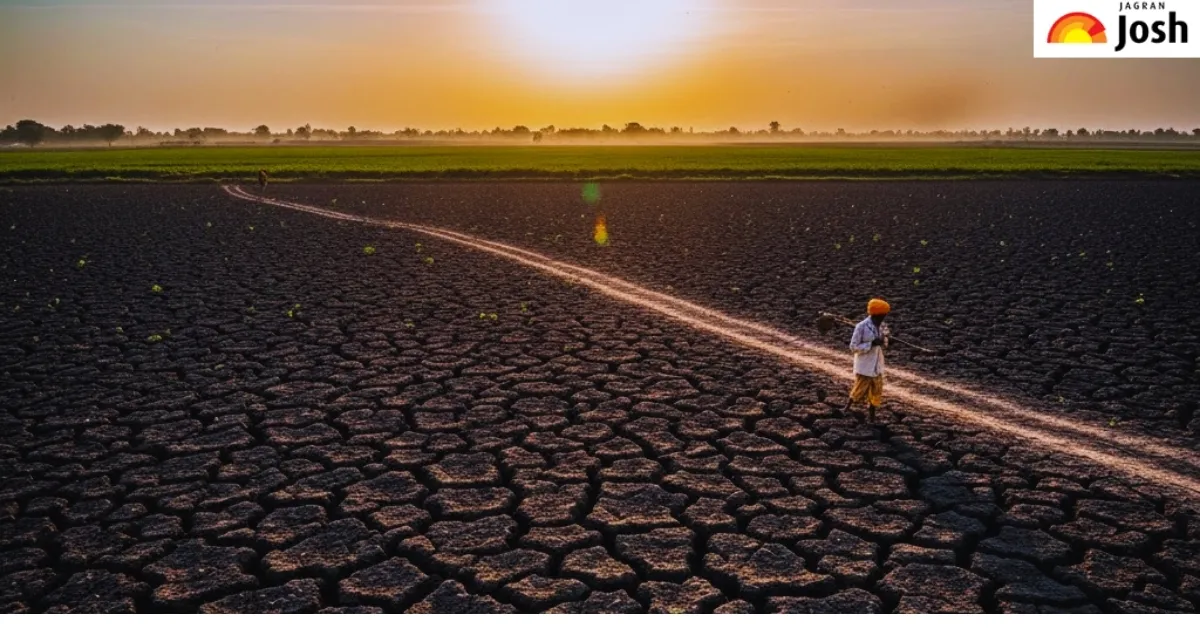
Self-Plowing Property: During the dry season, the soil loses moisture and develops wide, deep cracks. These cracks allow for "extraordinary aeration" as soil particles from the surface fall into the fissures.
-
Stickiness: When wet, the soil becomes extremely sticky and plastic, making it difficult to plow immediately after heavy rainfall. Farmers often prefer to till the land after the very first pre-monsoon shower.
-
Crops: Black soil is most ideal for cotton but also supports soybean, wheat, ulses and citrus fruits due to its high moisture retention.
-
Chemical Composition:
-
Rich In: Lime, Iron, Magnesium, Aluminum and Potash.
-
Poor In: Nitrogen, Phosphorous and Organic matter (humus).
Black Soil Areas in India:
Regur soil is typical of the Deccan Trap region, spread across the northwest Deccan Plateau. It covers roughly 15% of India's total land area.

| Region | Key States |
| Deccan Plateau | Maharashtra, Karnataka, and parts of Telangana. |
| Malwa Plateau | Madhya Pradesh and Chhattisgarh. |
| Saurashtra/Kachchh | Gujarat. |
| River Valleys | Upper reaches of Godavari and Krishna rivers. |
Also Read: Environment Protection Act, 1986: Objectives, Key Provisions and Significance
Benefit of Black Soil:
-
It is the premier soil for Cotton cultivation, Regur soil indirectly supports the massive textile industry in Maharashtra and Gujarat. Without the high yields from these regions, India’s position as a global cotton exporter would be significantly diminished and formed a backbone of the textile industry in India.
-
Its high water-holding capacity, Regur soil is vital for "dry farming." Even when the rains fail or are sparse, the soil retains enough subsurface moisture to sustain crops like Jowar, Bajra, and Gram throughout the growing season.
-
The fertility of Regur soil makes it significant for several high-value crops and support for Diverse Cash Crops such as Oilseeds specifically sunflower and groundnut, sugarcane and Citrus Fruits.
-
Black Soil has a "self-mulching" or "self-plowing" property, ensuring that the topsoil is constantly being refreshed with minerals from deeper layers. This natural process helps maintain its fertility over much longer periods compared to lighter soils that require heavy fertilization
Why is Back Soil Known as Regur Soil?
The term Regur is essentially a regional nomenclature that has become globally recognized in pedology (the study of soil). It is classified under the Inceptisols or Vertisols order in modern soil taxonomy. It is called Regur because of its specific origin from the lava-covered areas of the Deccan Plateau, where the local languages first identified its unique ability to support heavy agriculture without intense irrigation.
Also Read: What is Desert Bacteria? How it Reaches the Himalayas and Posed Health Risks





Comments
All Comments (0)
Join the conversation