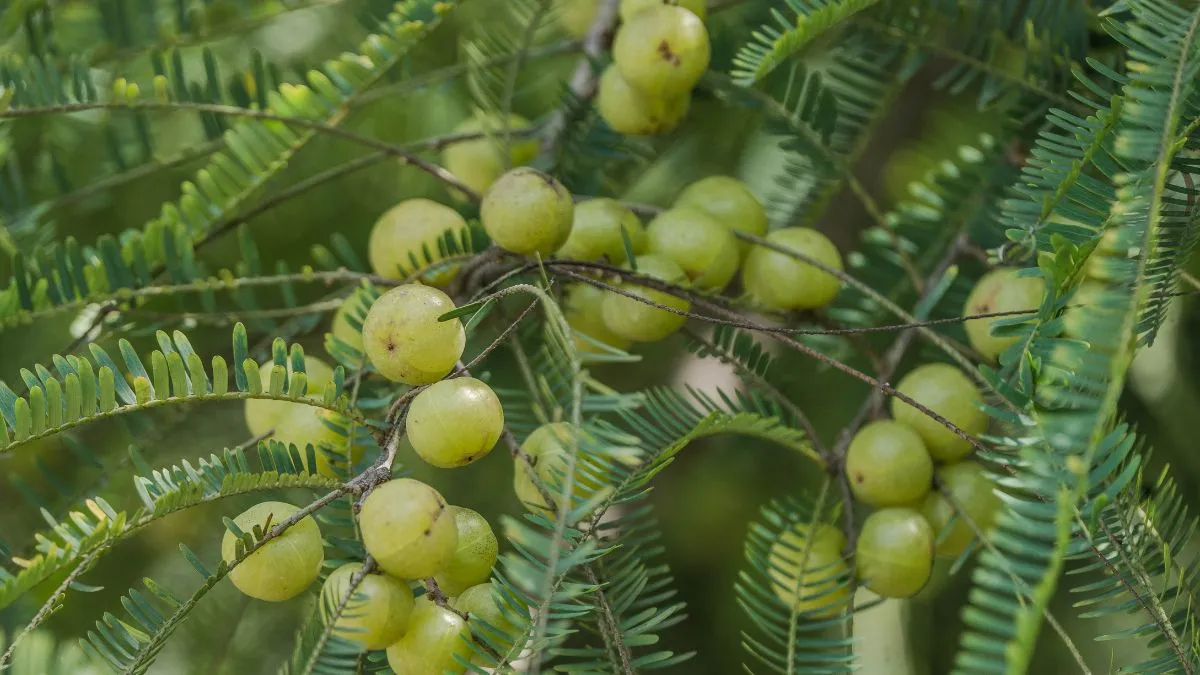
Key Points
- Amla contains 500-700mg of Vitamin C per 100g, 20x more than oranges.
- Vitamin C in Amla is heat-stable due to tannins, retaining benefits after cooking.
- Amla has been used in Ayurveda for 3,000+ years for rejuvenation and health.
Vitamin C is an essential nutrient required for immunity, skin health, collagen formation, wound healing, and protection against infections. While many fruits are known to contain Vitamin C, one fruit stands far above all others in terms of concentration, stability, and medicinal value. This fruit has been recognised for centuries in traditional medicine and modern nutrition science alike.
Richest Source of Vitamin C
Amla, also known as Indian gooseberry, is the richest natural source of Vitamin C among fruits. It contains an exceptionally high amount of Vitamin C, making it nutritionally superior to citrus fruits such as oranges, lemons, and limes.
Why Is Amla Called the Richest Source of Vitamin C?
Amla is called the richest source of Vitamin C because it contains approximately 500–700 mg of Vitamin C per 100 grams, which is nearly 20 times more than oranges. Additionally, the Vitamin C present in amla is highly stable due to the presence of tannins, which protect it from heat and oxidation. This stability ensures long-lasting nutritional benefits even after cooking or drying.
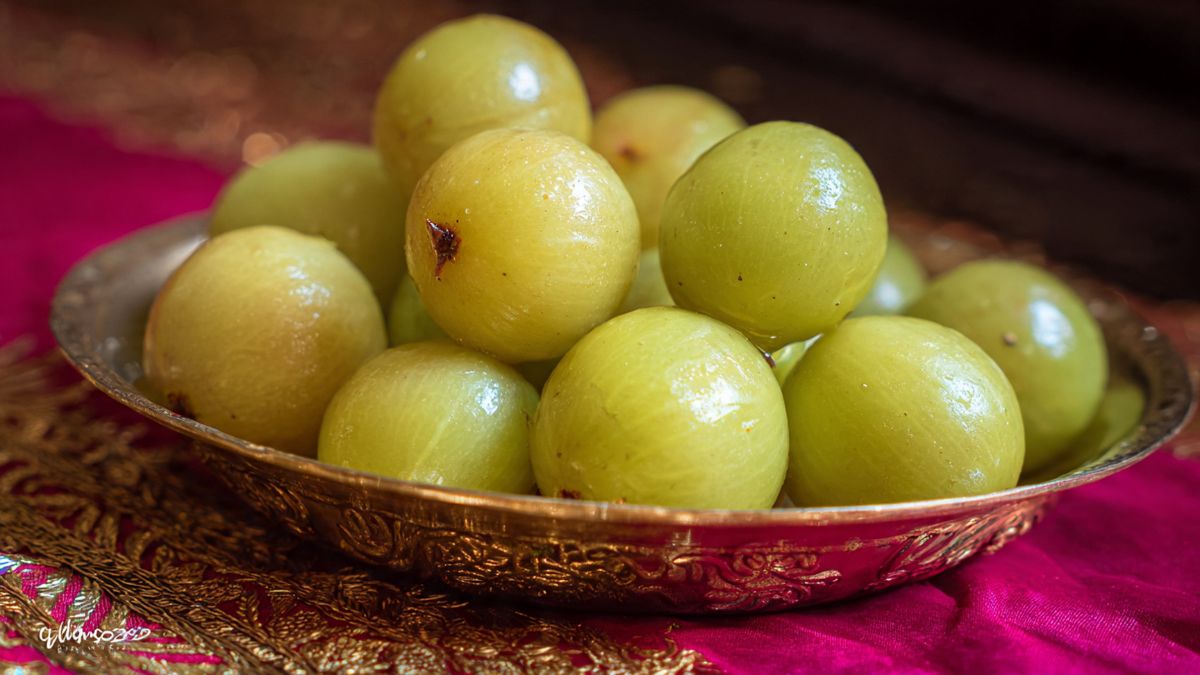
Source- Canva
Where Is Amla Grown in India?
Amla is widely cultivated across India, particularly in Uttar Pradesh, Madhya Pradesh, Rajasthan, Gujarat, Maharashtra, and Tamil Nadu. The tree thrives in tropical and subtropical climates and can grow even in dry and less fertile soils, making it suitable for large-scale cultivation.
Largest Producer of Amla in India
Uttar Pradesh is the largest producer of amla in India. The state has extensive amla orchards and contributes the highest share to India’s total amla production. Madhya Pradesh and Rajasthan are also major producers, supplying amla for both domestic consumption and processing industries.
Importance of Vitamin C in Amla
Vitamin C in amla plays a vital role in boosting immunity, improving skin texture, supporting collagen synthesis, enhancing iron absorption, and reducing inflammation. It also helps protect the body against infections, seasonal illnesses, and oxidative stress caused by free radicals.
Role of Amla in Ayurveda and Traditional Medicine
Amla has been used in Ayurveda for over 3,000 years and is classified as a Rasayana, meaning a rejuvenating herb. It is a key ingredient in formulations like Chyawanprash, Triphala, and various herbal tonics. Ayurveda values amla for promoting longevity, digestive health, eye health, and overall vitality.
Amla in Modern Nutrition and Wellness
In modern nutrition, amla is recognised as a powerful superfood. It is commonly consumed as juice, powder, capsules, and health supplements. Its antioxidant-rich profile makes it popular in immunity boosters, skin-care products, and wellness formulations worldwide.
Amla Compared to Other Vitamin C-Rich Fruits
Although fruits like guava, kiwi, strawberries, papaya, and citrus fruits contain good amounts of Vitamin C, none match the concentration and stability found in amla. This makes amla unique and irreplaceable in natural nutrition.
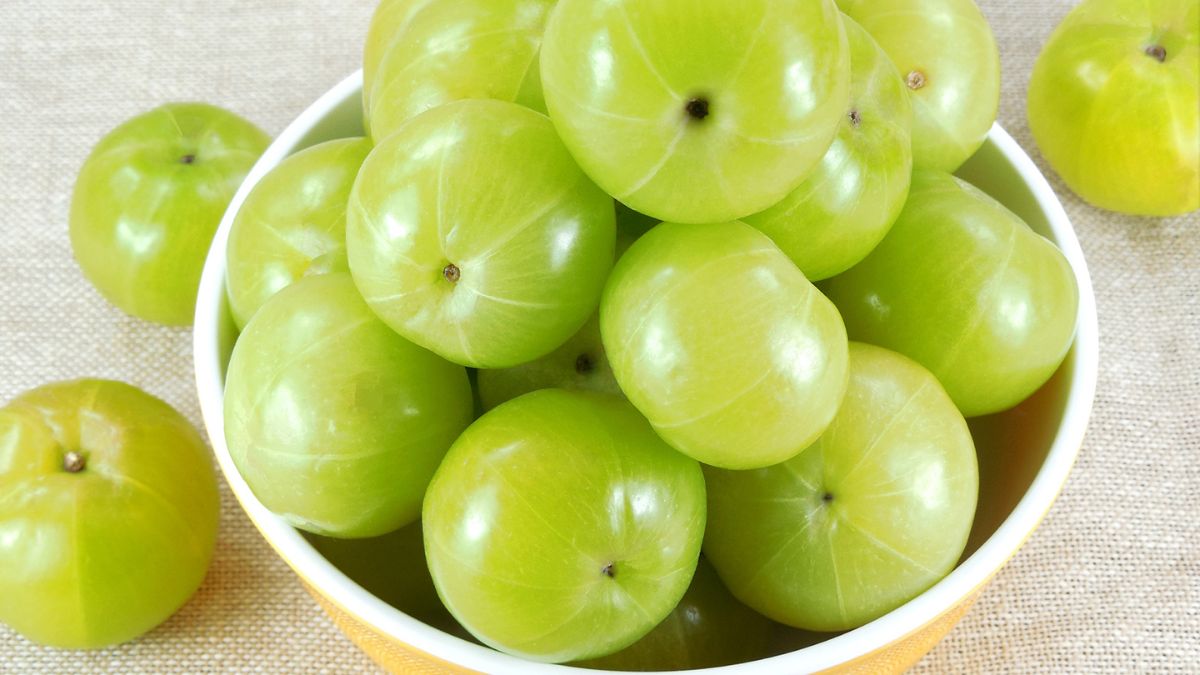
Source- Canva
Interesting Facts About Amla
Exceptionally High Vitamin C
Amla contains one of the highest natural concentrations of Vitamin C found in any edible fruit, making it a nutritional powerhouse.
Heat-Stable Nutrient
The Vitamin C in amla remains active even after boiling, drying, or processing, unlike most other fruits.
Ayurvedic Superfruit
Amla is considered sacred in Ayurveda and is believed to balance all three doshas—Vata, Pitta, and Kapha.
Supports Iron Absorption
The high Vitamin C content in amla significantly improves iron absorption, helping prevent iron-deficiency anaemia.
Used in Multiple Forms
Amla is consumed fresh, dried, pickled, candied, powdered, juiced and as herbal formulations, increasing its accessibility year-round.
Read more: Which Place Is Known as the Coconut Island of India?
Amla is known as the richest source of Vitamin C because of its exceptionally high concentration, heat stability and wide-ranging health benefits. Its importance in traditional medicine, modern nutrition and everyday diets makes it one of the most valuable fruits for immunity and overall well-being. Keep reading for more such topics.





Comments
All Comments (0)
Join the conversation