-1770114780770.webp)
Key Points
- Himalayas are called the Third Pole due to vast ice reserves outside polar regions.
- The region spans India, Nepal, Bhutan, China, and Pakistan.
- 2 billion people depend on water from the Third Pole for daily life.
The Earth has two natural poles, the Arctic and the Antarctic, but scientists often refer to a third critical ice region that plays a major role in global climate and water security. This region holds the largest volume of frozen freshwater outside the polar zones and supports billions of people across Asia.
Which Mountain Is Called the Third Pole?
The Himalayan mountain range is called the Third Pole of the Earth. This name highlights the enormous concentration of glaciers, ice caps, and permanent snowfields found in the Himalayas and the adjoining Tibetan Plateau.
Why Are the Himalayas Known as the Third Pole?
The Himalayas are known as the Third Pole because they contain the largest ice reserve outside the Arctic and Antarctic regions. The massive glacier system stores frozen freshwater that feeds some of the world’s most important rivers throughout the year.
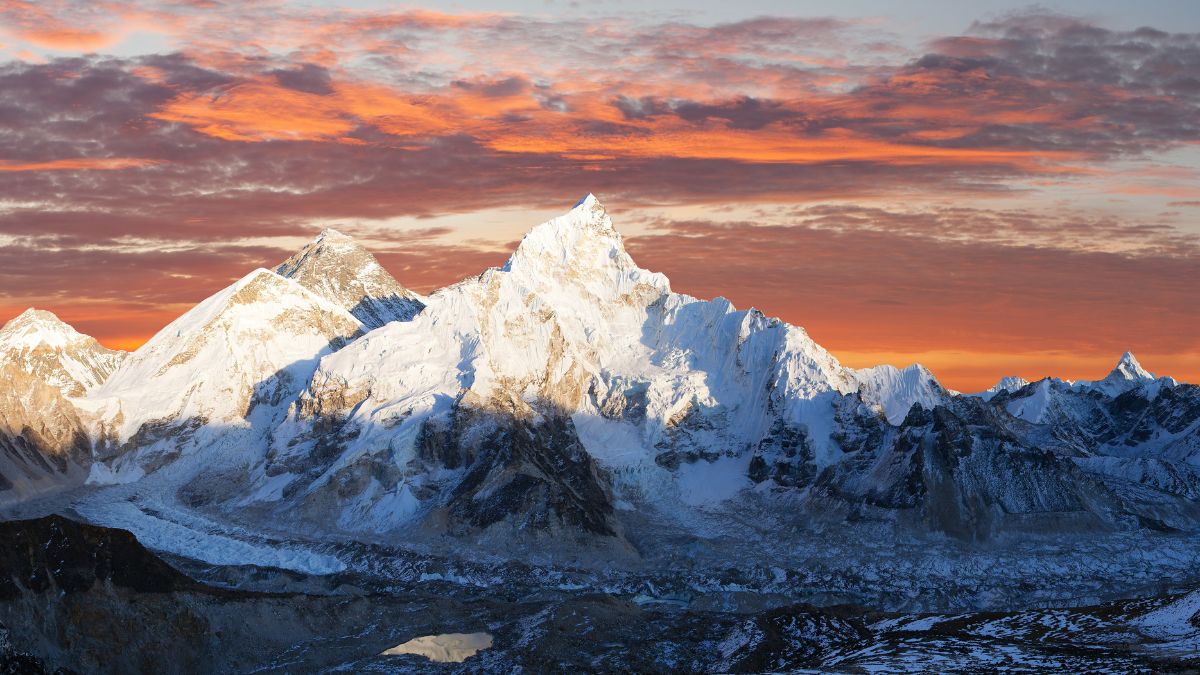
Location of the Third Pole Region
The Third Pole region spans across five countries including India, Nepal, Bhutan, China (Tibet Autonomous Region), and Pakistan. It covers the Himalayan mountain system and the high-altitude Tibetan Plateau, forming one of the most elevated regions on Earth.
Glaciers and Snow Reserves of the Himalayas
The Himalayan region contains more than 46000 glaciers. These glaciers function as natural water reservoirs by storing snow in winter and releasing meltwater during warmer months, ensuring a steady water supply downstream.
Rivers Originating From the Third Pole
Several major Asian rivers originate from the Third Pole region. These include the Ganga, Indus, Brahmaputra, Yangtze, Yellow River, Mekong, Salween and Irrawaddy. These rivers support agriculture, industry, and daily life for a large portion of the global population.
Importance of the Third Pole for Asia
Nearly two billion people depend directly or indirectly on water from the Third Pole. The region supports food production, drinking water, hydroelectric power generation, and natural ecosystems across South Asia, Southeast Asia, and East Asia.
Role of the Third Pole in Climate Regulation
The Third Pole plays a key role in regulating atmospheric circulation and monsoon patterns. Its glaciers and snow cover influence temperature balance, wind movement, and seasonal rainfall across Asia.
Highest Peaks of the Third Pole Region
The Third Pole includes the highest mountain peaks in the world such as Mount Everest, K2, Kanchenjunga, Lhotse and Makalu. These peaks contribute to extreme cold conditions that help preserve ice and snow.
Biodiversity of the Third Pole Region
The region supports rare wildlife such as snow leopards, Himalayan brown bears, red pandas and high-altitude bird species. These ecosystems are highly sensitive to temperature and environmental changes.
Interesting Facts About the Third Pole
Largest Ice Reserve Outside Polar Regions
The Third Pole holds the largest concentration of ice and snow outside the Arctic and Antarctic, making it critical for global freshwater storage.
Source of Asia’s Lifeline Rivers
Most of Asia’s major rivers originate in the Third Pole region, supplying water to some of the world’s most densely populated areas.
Highest Mountain System on Earth
The Himalayas contain all fourteen mountains that rise above 8000 metres, making the Third Pole the highest mountain system globally.
Climate Change Hotspot
The Third Pole is warming faster than many other regions, making it one of the most vulnerable areas to climate change.
Natural Water Tower of Asia
The Himalayan glaciers are often called the Water Tower of Asia because they regulate river flow throughout the year.
Cultural and Spiritual Importance
The Third Pole region is home to ancient cultures, sacred sites, and spiritual traditions that have existed for thousands of years.
The Himalayan mountain range is called the Third Pole because of its vast glacier system, immense freshwater reserves, and crucial role in sustaining life and climate across Asia. Keep reading for more such topics.



-1770114495275.jpg)

Comments
All Comments (0)
Join the conversation