Ladakh’s New Snow Leopard Conservation Society: A Big Step to Protect India’s High-Altitude Wildlife
Ladakh has approved the Snow Leopard and High-Altitude Nature Conservation Society to protect snow leopards, Himalayan ecosystems, and biodiversity. Know its importance, role and conservation efforts.
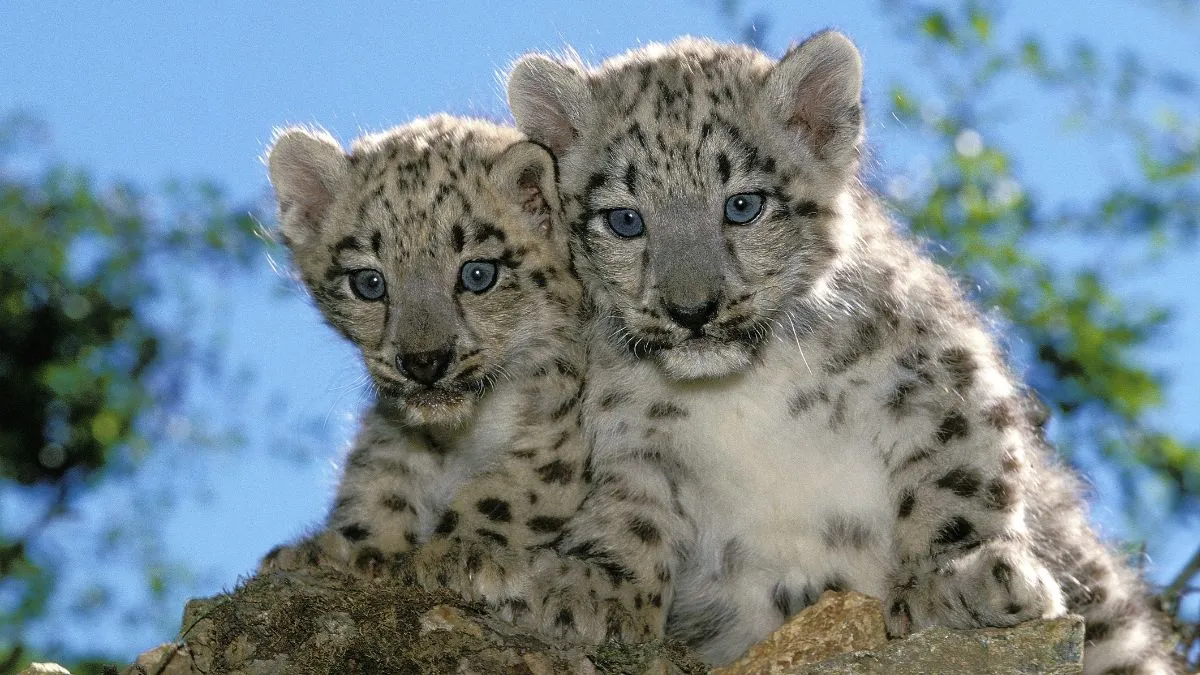
Ladakh has taken a significant stride towards the conservation of its unique high-altitude wildlife with the approval of the formation of Snow Leopard and High Altitude Nature Conservation Society. The programme is aimed at enhancing snow leopard conservation and protecting the fragile Himalayan ecosystem of the area. The snow leopard, known as the “ghost of the mountains” for its elusive nature and excellent camouflage, is one of the most iconic species in the cold desert landscape of Ladakh. The new society would be expected to support scientific research, wildlife protection, habitat conservation and awareness programmes to conserve the biodiversity of one of the most ecologically sensitive regions of India.
What Is the Snow Leopard and High-Altitude Nature Conservation Society?
The Union Territory of Ladakh has approved the Snow Leopard and High Altitude Nature Conservation Society (SLHANCS), a conservation initiative that aims to protect snow leopards and other species living in extreme mountain environments. The society will work for the betterment of wildlife conservation programmes, promote research, improve habitat protection and make plans for sustainable management of high-altitude ecosystems. It aims to bring together government agencies, conservation specialists, researchers and local communities to protect Ladakh’s natural heritage.
Ghosts of the Mountains
The snow leopard is known as the “ghost of the mountains” because they are so hard to spot in the wild. Their thick, grey-white fur helps them to blend into rocky landscapes, hiding from predators and from humans. They are secretive and live in remote habitat, making them the least seen big cat on the planet.
Why Is Snow Leopard Conservation Important?
It is the snow leopards that keep the Himalayan regions in ecological balance. They are apex predators and control populations of prey species such as the Himalayan blue sheep and ibex, thus maintaining the stability of the food chain. Saving snow leopards also means saving the larger mountain ecosystem that supports a host of other surviving species. Population decline can be a sign of larger environmental problems, like habitat degradation and climate-driven changes.
Ladakh: A Key Habitat for Snow Leopards
Ladakh with its high mountains, rocky terrain and cold desert environment is one of the most important habitats for snow leopards in India. The region offers the perfect environment for these rare predators, which are suited to survive in some of the most extreme terrains on the planet. Ladakh’s remote valleys and protected areas are home to a rich diversity of Himalayan wildlife, making the region a vital hub for conservation efforts.
Challenges Faced by Snow Leopards
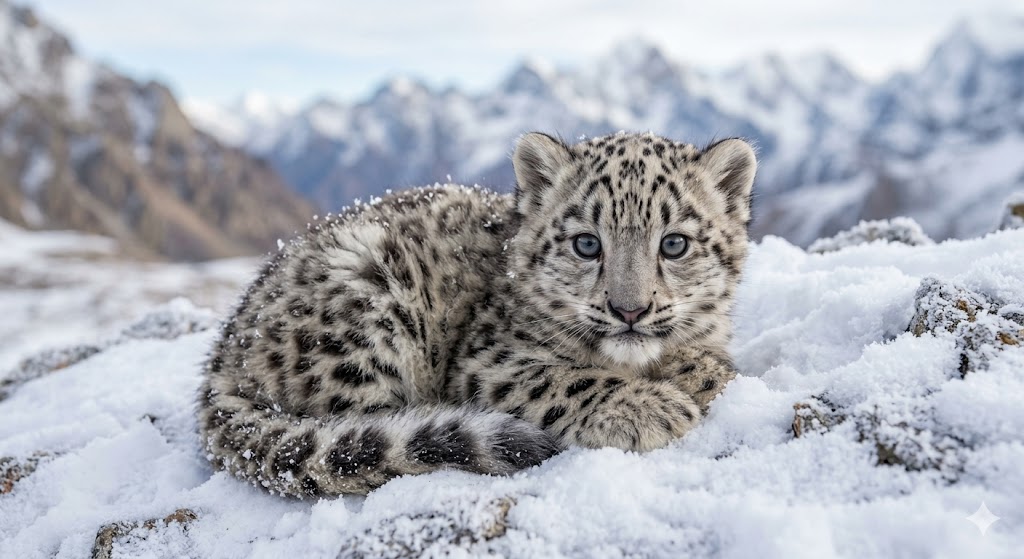
Snow leopards are threatened by habitat loss, climate change, loss of prey species and conflict with local communities. Changes in weather patterns in the Himalayas can impact their natural environment and the availability of food. More human activities and livestock grazing in the mountain can also expose the snow leopards to local residents, posing problems for the wildlife conservation and the livelihoods of the communities.
Interesting Facts about Snow Leopard
They Live at Extremely High Altitudes
Snow leopards are among the highest-living mammals, usually occurring in mountain ranges at elevations between about 3,000 and 5,500 m (10,000 and 18,000 ft) above sea level. Their bodies are specially adapted to survive cold temperatures, thin air and hard mountain terrain.
India Is Home to Snow Leopards
Snow leopards range in India. They are found in the Himalayan and trans-Himalayan parts of Ladakh, Jammu and Kashmir, Himachal Pradesh, Uttarakhand and parts of Arunachal Pradesh. Ladakh is one of the most important areas for their conservation.
Snow Leopards Have Powerful Tails
Snow leopards have long thick tails to help them keep their balance while walking on steep mountains. The tail serves as protection from the cold, as the animal can wrap it around itself when resting in cold temperatures.
They Are Perfectly Adapted to Cold Regions
Snow leopards have several adaptations that help them survive in harsh environments. Their large paws function as natural snowshoes, stopping them from sinking into snow and their thick fur and strong limbs allow them to endure the harsh Himalayan conditions.

Jasreet Kaur is a journalist with over 3 years of experience in digital media and news content creation. She specializes in covering Trending News, including major National and International developments, with a focus on delivering accurate, engaging, and reader-friendly stories. Prior to this, she worked with Zee News as a Content Writer, where she gained extensive experience in news reporting and content strategy. Driven by curiosity, credibility, and a passion for impactful journalism, Jasreet aims to contribute to informed public discourse while supporting positive growth in organizations, society, and the world.


