Show Key Points
Pepper is one of the oldest and most widely traded spices in human history. Known for its sharp flavour and preservative qualities, it played a central role in global trade routes for centuries. Due to its historic spice plantations and export prominence, one island became widely associated with pepper cultivation.
Island of Pepper
Zanzibar Island is known as the Island of Pepper. Located off the coast of East Africa in the Indian Ocean, Zanzibar historically cultivated a wide range of spices, including black pepper, cloves, cinnamon, and nutmeg. Its fertile soil and humid tropical climate enabled successful spice farming, giving the island global recognition in the spice trade.
Where Is the Island of Pepper Located?
Zanzibar lies off the eastern coast of Africa, near mainland Tanzania. It forms part of the Zanzibar Archipelago in the Indian Ocean. Its coastal position made it a strategic centre for maritime trade between Africa, Arabia and Asia.
Why Is Zanzibar Called the Island of Pepper?
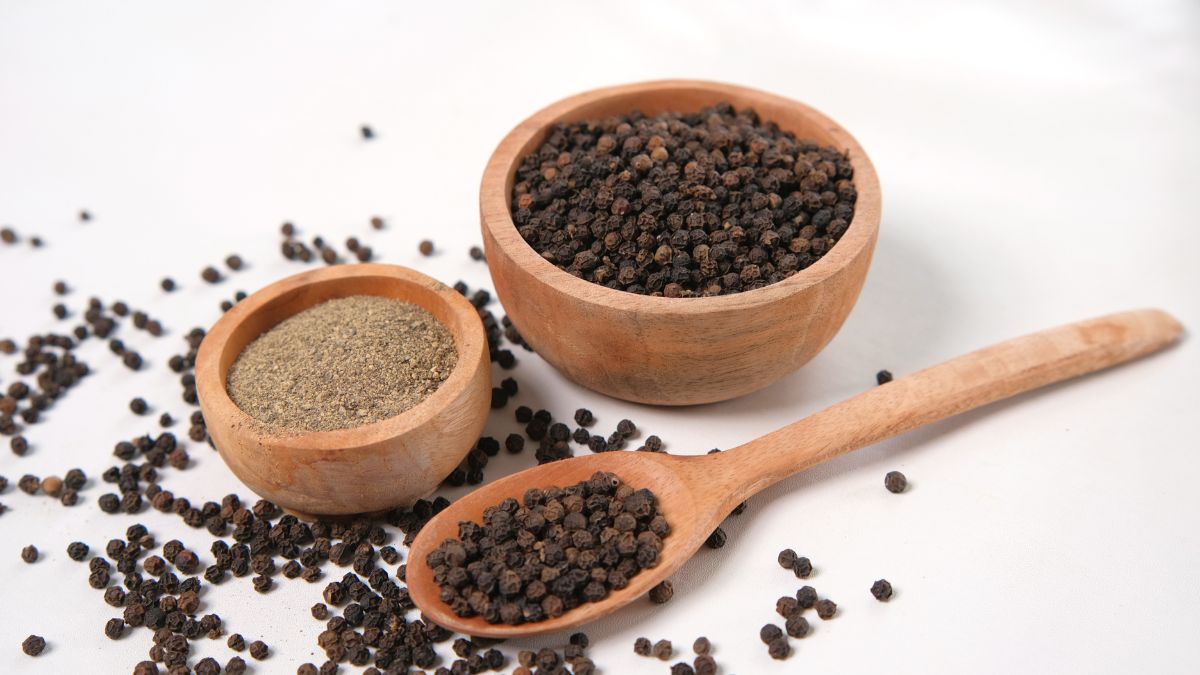
Zanzibar earned this title due to its historic spice plantations and active role in exporting pepper to international markets. During the height of the Indian Ocean trade network, the island supplied valuable spices to traders from the Middle East, India, and Europe.
Pepper Production and Spice Agriculture
The island’s tropical climate, regular rainfall, and fertile soils supported the cultivation of black pepper vines alongside other high-value spices. Pepper farming contributed significantly to Zanzibar’s agricultural economy.
Climate Conditions for Pepper Cultivation
Pepper requires warm temperatures, humidity, and well-drained soil. Zanzibar’s coastal tropical climate provides ideal conditions for spice crops, ensuring strong aroma and flavour development.
Historical Importance in Global Spice Trade
For centuries, Zanzibar served as a major trading centre for spices. Merchants transported pepper and other spices across Indian Ocean routes, linking African producers with global markets.
Economic Importance of Spice Farming
Spice cultivation historically supported local livelihoods and trade revenue. Pepper and other spices helped shape Zanzibar’s economic identity as a spice-producing region.
Interesting Facts About the Island of Pepper
Historic Spice Hub
Zanzibar was one of the most important spice-producing regions in the Indian Ocean trade network, attracting traders from multiple continents.
Diverse Spice Production
Although famous for cloves, the island historically cultivated pepper, cinnamon and nutmeg, creating a diverse spice economy.
Strategic Trade Location
Its position along maritime trade routes allowed efficient export of spices to Asia and Europe for centuries.
Tropical Agricultural Advantage
Consistent humidity and fertile soils enhance essential oil concentration in spice crops, improving quality.
Cultural Influence of Spice Trade
Spice commerce influenced Zanzibar’s culture, architecture and historical connections with Arab and Asian traders.
Read more: Which Island Is Called the Island of Sandalwood?
Zanzibar Island is called the Island of Pepper because of its historic spice cultivation and central role in Indian Ocean trade. With favourable climate conditions and centuries of export activity. Keep reading for more such topics.


.jpg)


Comments
All Comments (0)
Join the conversation