India Gets Its First E-Waste Free District on November 27? How One Kerala Hill Region Cleared 97 Tonnes of Toxic Scrap, Explained
Kerala’s hill district of Wayanad will be formally declared India’s first e-waste-free district on November 27, 2026. Learn how local women’s collectives and state agencies cleared 97.26 tonnes of electronic scrap, and why this milestone matters for competitive exams and environmental policy.
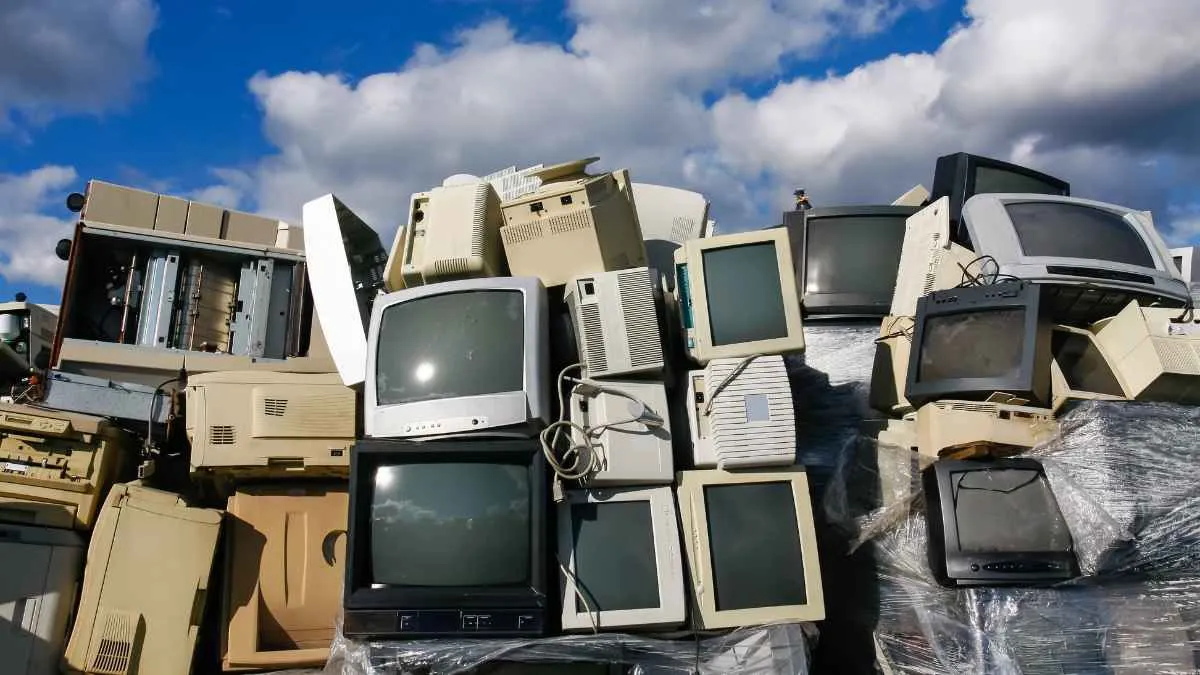
There’s always a drawer in almost every Indian home where you can find a graveyard of tangled chargers, cracked phones, and dead batteries. Most of us leave them there because we don't know where else they can safely go.
Now one hill district in Kerala has solved that puzzle at scale. Wayanad is officially becoming India's first e-waste free district after clearing 97.26 metric tonnes of discarded electronics in under three months.
If you're tracking current affairs or care about India's mounting trash crisis, here is everything behind this historic shift.
When will Wayanad become First e-Waste Free District of India?
On November 24, 2026, Kerala Agriculture Minister T. Siddique announced that Wayanad has completed its district-wide electronic waste cleanup. Chief Minister VD Satheesan will make the formal declaration on November 27, 2026, at Chandragiri Auditorium in Kalpetta alongside Local Self-Government Minister K. M. Shaji.
#WATCH | Kozhikode, Kerala: Kerala Agriculture Minister T Siddique says, "On the 27th of this month, VD Satheesan, the Chief Minister of Kerala, is coming to Wayanad to declare Wayanad as the first district in India to be an E-Waste-Free District. It is a colourful moment. It is… pic.twitter.com/V1Bsy1yotp
— ANI (@ANI) November 23, 2026
Interesting Facts about Wayanand e-Waste Management Drive
The numbers behind the drive are worth noting for your exam notes:
-
Total e-waste collected: 97.26 metric tonnes.
-
Institutional share: 58.80 tonnes came from government offices and schools.
-
Household and commercial share: 38.46 tonnes came from homes, shops, and tourist spots across all 26 local bodies (23 village panchayats and 3 municipalities).
-
First record: On October 27, 2026, Wayanad’s Noolpuzha village panchayat became India’s first e-waste-free panchayat after gathering 5,423 kg of scrap.
"It is part of a larger responsibility to protect Wayanad's soil, hills, forests, water sources and biodiversity for future generations," Minister Siddique said while announcing the achievement.
Why Becoming E-Waste Free District Important for Wayand?
Think about what sits inside an old circuit board or CRT monitor. Lead, cadmium, mercury, and brominated flame retardants. When informal scrap dealers burn wires in the open or dump broken gadgets in landfills those heavy metals seep straight into groundwater and farmland.
Wayanad sits in the ecologically fragile Western Ghats.
Soil contamination here doesn't just ruin local spice and coffee plantations, it threatens hill aquifers and forest biodiversity.
Nationally the stakes are massive too.
Under the E-Waste (Management) Rules, 2022 which took effect in April 2023 and expanded coverage to 106 categories of electrical and electronic equipment, producers are legally bound by Extended Producer Responsibility (EPR) targets. Yet millions of tonnes across India still end up in unregulated backyard workshops.
How did One Keralam District Pull Off What Big Cities Haven't?
It didn't happen through top-down policing. It worked because Kerala already had boots on the ground.
Starting in September 2026 under the state's BHOOMI Project and the broader 'Nirmalam' (Waste-Free Keralam) campaign launched on Gandhi Jayanti.
Three agencies split the workload cleanly:
-
Haritha Karma Sena: These all-women green technician collectives went door-to-door across households and small businesses.
-
Clean Kerala Company and KITE: They directly lifted bulk electronic scrap from 184+ government offices and public schools.
-
District Suchitwa Mission: Coordinated certification from the ward and panchayat level upward, running a 10-day buffer window and call centre until November 10 to catch missed homes.
Big Indian metros often fail at e-waste collection because they rely on apps or sporadic drop-off camps that busy residents ignore. Wayanad succeeded because trusted local women knocked on doors and proved that last-mile human networks beat tech-heavy campaigns every time.
Where does the Wayand E-Waste Go Now?
If you're skeptical about zero-waste headlines you're asking the right question: What happens next month when someone's mixer grinder breaks?
Officials admit the tag only holds if collection stays continuous rather than acting as a one-time sweep. Collected scrap is routed through Clean Kerala Company to CPCB-authorized recyclers for scientific dismantling.
Wayanad meanwhile isn't slowing down and on November 27, the district will immediately launch its next campaign to become plastic-free and carbon-neutral.

Harshita Singh is an education and general knowledge journalist with over 5 years of experience in educational writing. Specializing in US affairs and GK, Harshita has a track record of breaking down intricate geopolitical and historical subjects into clear, digestible insights for learners. Her strong background in text analysis, coupled with a Bachelor of Arts (Hons) in English from the University of Delhi, helps her produce authoritative, thoroughly researched content that empowers readers to engage confidently with global current affairs. For inquiries or academic insights, you can reach out to her directly at harshita.singh@jagrannewmedia.com.