Delhi's Jantar Mantar Off Limits for Demonstrations: Which 3 New Protest Sites Has Delhi Police Designated Now?
Delhi Police has denotified Jantar Mantar as an official protest site following a review by a Ministry of Home Affairs panel. Public demonstrations in the capital are now shifted to Ramlila Ground, Burari Ground, and CBD Ground in East Delhi under revised guidelines.
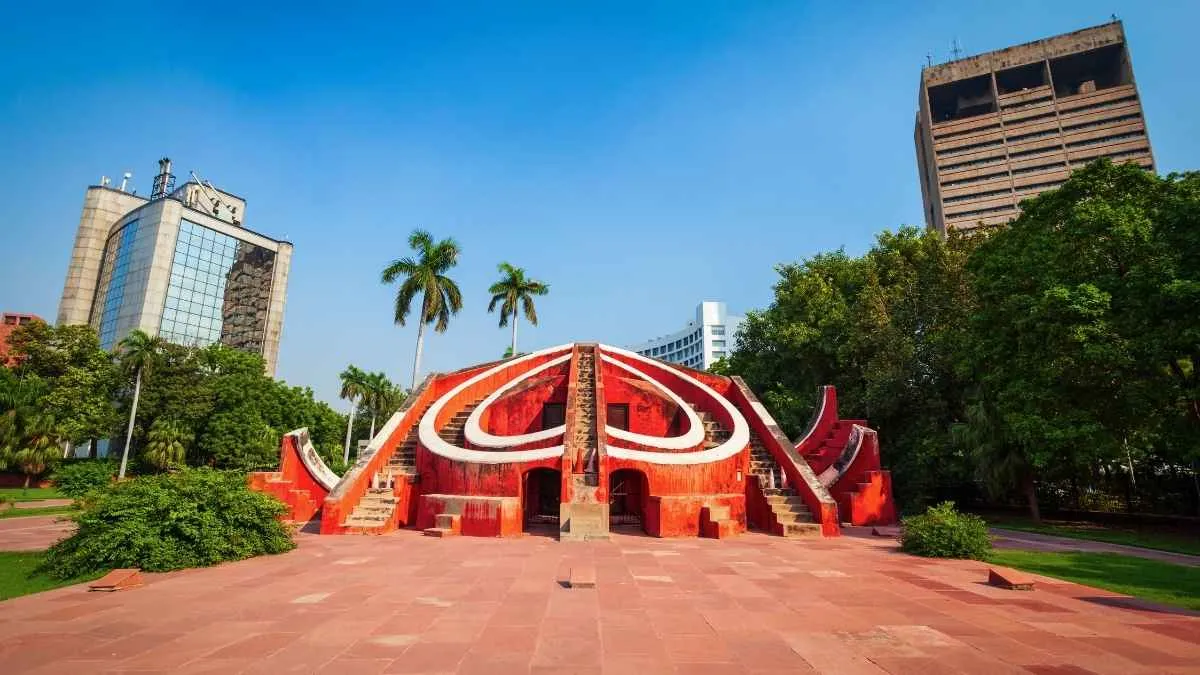
The Delhi Police has made an administrative order denotifying Jantar Mantar as a protest site through an official notification. The notification was given by the Delhi Police Commissioner Anurag Kumar making some changes to the Standing Order No. L&O/48/22.
It is in response to the recommendation of a committee formed by the Union Ministry of Home Affairs (MHA) to find alternative places for gatherings.
Protesters and civil society have to organize their sit-in demonstrations in the alternate three grounds, namely Ramlila Ground, Burari Ground, and CBD Ground situated in East Delhi starting October 12th.
What are 3 New Designated Portest Sites in New Delhi?
Moving the demonstrations to a location other than Jantar Mantar is motivated by the problems of urban congestion, traffic jams, and security weaknesses in proximity to Parliament House.
MHA committee looked at several sites to achieve a balance between upholding people’s right to assemble and smooth functioning of administration.
| S. No. | Designated Protest Venue | Location | Scope and Event Type |
| 1 | Ramlila Ground | Central Delhi | Large-scale political rallies and mass assemblies |
| 2 | Burari Ground | North Delhi | Multi-day sit-ins and large gathering groups |
| 3 | CBD Ground | Shahdara, East Delhi | Regional assemblies and localized demonstrations |
"Based on the Committee's recommendations, Jantar Mantar as a protest venue has been de-notified... A detailed and revised Standard Operating Procedure (SOP) for organising protests at the three venues will be issued separately," stated the official order from the Delhi Police Commissionerate, as reported by Bar and Bench.
Ministry of Home Affairs, Government of India, had constituted a Committee to examine alternative proper venues for citizen's right for organizing protest/demonstrations in place of the existing "designated site".
— ANI (@ANI) October 12, 2026
Based on the Committee's recommendations, Jantar Mantar as a… pic.twitter.com/VDXSqXFu7S
Why New Delhi’s Jantar Mantar was a Famous Protest Site in India?
This transition signals the conclusion of an era that spans decades for the observatory from the 18th century that became the country’s leading stage for political articulation.
To understand why Jantar Mantar in Delhi became a protest site we would have traces back to 1993 protests. This was the period when the government prohibited public rallies at the nearby Boat Club after massive protests by farmers which paralyzed central Delhi.
Because of its location near the Parliament Building news agencies, and government offices, Jantar Mantar Road was chosen to be the official route for peaceful demonstrations.
The small road hosted union strikes, citizens’ complaints, and political activities for more than three decades with authorized police permission.
Administrative Impact and Operational Shift amid Protests
The relocation of protesting grounds from Connaught Place to decentralised locations such as Burari and Shahdara will transform crowd management within the capital city.
The shift of important events out of the congested and highly secured corridors will help avoid road blockages and delays.
The future approval of events will hinge on the venue-specific permits and protocols. The organisers must ensure that their events match the designated space in the new SOPs.
What Peaceful Demonstrators Need to Know
This structural update permanently changes demonstration management in the capital:
-
Site Restrictions: Jantar Mantar is no longer open for public assemblies or sit-in permits.
-
New Permit Protocols: Organizers must apply for approvals designated specifically for the new official protest grounds in New Delhi.
-
Zonal Crowd Control: Security protocols will now operate across North, Central, and East Delhi districts.

Harshita Singh is an education and general knowledge journalist with over 5 years of experience in educational writing. Specializing in US affairs and GK, Harshita has a track record of breaking down intricate geopolitical and historical subjects into clear, digestible insights for learners. Her strong background in text analysis, coupled with a Bachelor of Arts (Hons) in English from the University of Delhi, helps her produce authoritative, thoroughly researched content that empowers readers to engage confidently with global current affairs. For inquiries or academic insights, you can reach out to her directly at harshita.singh@jagrannewmedia.com.


-1791799220944_t.webp)


.jpg)
![[चेक करें] GDS 1st Merit List 2026: इंडिया पोस्ट जीडीएस पहली मेरिट लिस्ट डायरेक्ट लिंक जल्द, रिजल्ट PDF में ऐसे देखें अपना नाम](https://img.jagranjosh.com/images/2026/October/11102026/GDS-Merit-List-2026.jpg)