Archaeologists Reconstruct Lost Ice Age World using 700,000-year-old Squirrel Poop
A groundbreaking study reveals that 700,000-year-old squirrel poop frozen in Yukon permafrost acts as a perfect time capsule. Researchers extracted exceptionally preserved environmental DNA, unlocking lost secrets of Ice Age megafauna, including woolly mammoths, horses, and ancient predators.
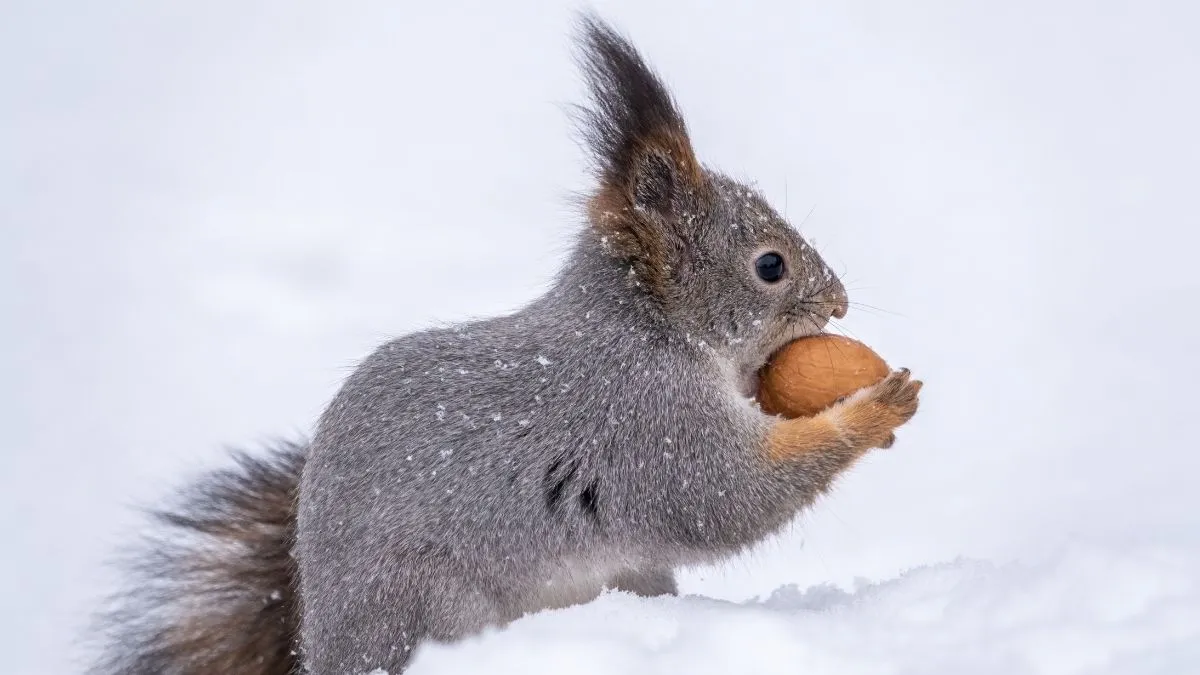
In an extraordinary breakthrough for paleogenomics, scientists have uncovered a pristine genetic archive hidden within 700,000-year-old squirrel poop preserved deep inside the Canadian permafrost. The study, published in Nature Communications, shows that ancient Arctic ground squirrel coprolites (fossilized droppings) retrieved from the Klondike region of the Yukon function as highly concentrated, low-temperature ecological time capsules.
Lead researcher Dr. Tyler Murchie from the Hakai Institute and McMaster University revealed that when fluids were added to reactivate the frozen organic samples, they even released an overwhelming, fresh scent, completely untouched by mineral replacement for hundreds of millennia.
This biological goldmine has successfully yielded the mitochondrial genomes of long-extinct woolly mammoths, steppe bison, and prehistoric horses, fundamentally altering our understanding of the Pleistocene food web.
How does 700,000-year-old Squirrel Poop Preserve Ice Age DNA?
Huge fossil bones or teeth only prove that a particular animal existed in isolation. Prehistoric ground squirrel droppings condense the whole ecosystem of the environment into one biological pellet.
The exceptional molecular preservation relies on three critical factors:
-
The Natural Collectors: Arctic ground squirrels forage extensively for plants, fungi, and insects. Crucially, they also scavenged the carcasses of giant Ice Age megafauna, directly ingesting woolly mammoth meat and tissue.
-
Permafrost Deep-Freeze: The squirrels accumulated these droppings within deep underground burrows (middens) that were rapidly sealed by permafrost and layers of volcanic ash, protecting the organic matter from moisture and modern microbial decay.
-
High-Quality Environmental DNA (eDNA): While ancient DNA recovered from lake sediments degrades quickly due to water exposure, DNA trapped inside frozen feces remains structurally intact, offering stable fragments for modern genomic sequencing laboratories.
| Sample Age Range | Recovered MegaFauna DNA | Major Plant Groups Identified | Key Location Source |
| 17,000 to 700,000 Years Old | Woolly Mammoth, Steppe Bison, Yukon Horse, Wolves, Cheetah-like predators | Over 200 species of grasses, flowering herbs, and wild fungi | Hunker Creek and Klondike Goldfields, Yukon Territory |
What did Scientists Discover about Woolly Mammoths and Ice Age Predators?
By extracting and analyzing the eDNA from the 700,000-year-old squirrel poop, paleogeneticists successfully reconstructed 18 mitochondrial genomes. This genomic data proved that ancient squirrels regularly interacted with, or scavenged upon, the apex predators and massive herbivores of Beringia.
Remarkably, the DNA data points to a highly diverse, open tundra environment dominated by flowering herbs and grasses, with very few trees. Besides the surprising presence of woolly mammoth genetic markers, the scat revealed the presence of ancient wolves, snowshoe hares, caribou, and a rare, extinct North American cheetah-like predator.
The sheer density of genetic data recovered is helping evolutionary biologists map how these ancient species evolved or adapted across multiple severe glacial transitions.
Role of Ancient DNA in Understanding Modern Climate Change
According to senior study authors, including Hendrik Poinar, director of the McMaster Ancient DNA Centre, studying these deep-time archives provides a vital baseline for evaluating our current geological epoch, the Holocene. By comparing the diverse diets of Pleistocene small mammals to modern species, researchers can track precise ecological shifts triggered by rising temperatures.
Scientists are particularly focused on analyzing samples from the last interglacial period, around 115,000 years ago, when the Earth was warmer than it is today. As modern human-caused climate change accelerates the dangerous melting of Arctic permafrost, retrieving these frozen time capsules is a race against time to understand if we have permanently disrupted the planet's natural glacial cycles.
This landmark discovery shows that the deepest secrets of prehistoric Earth do not always have to come from giant tusks or skeletal remains. Scientists have cracked 700,000-year-old squirrel poop, unlocking an unspoiled molecular window into the Ice Age and uncovered vital clues for the future survival of our warming planet.

Harshita Singh is an education and general knowledge journalist with over 5 years of experience in educational writing. Specializing in US affairs and GK, Harshita has a track record of breaking down intricate geopolitical and historical subjects into clear, digestible insights for learners. Her strong background in text analysis, coupled with a Bachelor of Arts (Hons) in English from the University of Delhi, helps her produce authoritative, thoroughly researched content that empowers readers to engage confidently with global current affairs. For inquiries or academic insights, you can reach out to her directly at harshita.singh@jagrannewmedia.com.


