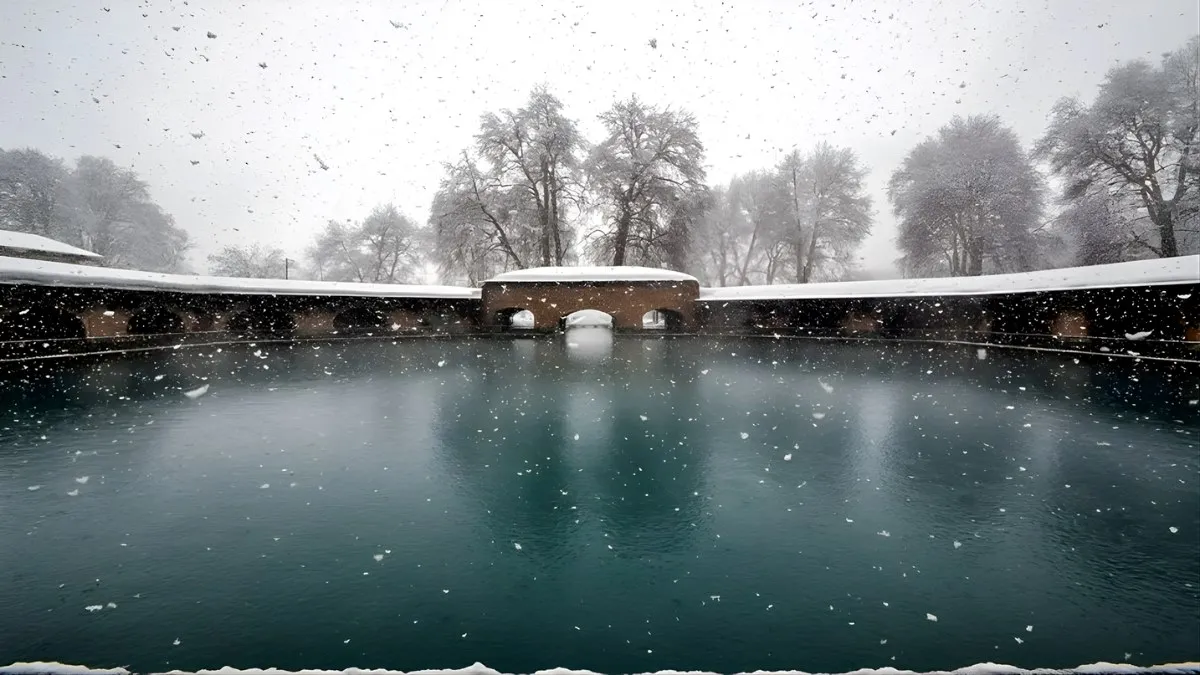
Have you ever asked yourself about the ancient names of the well-known rivers of India that were known many thousands of years ago? The Jhelum is one of the significant rivers. This river is known for its beauty and battles. Other than this, Jhelum is also known to have been the lifeline to the Kashmir Valley since ancient times. But, do you know what the ancient name of the Jhelum River was? In this article, you will learn about the ancient names of the Jhelum, where it starts, and why it is so important in Indian history.
Also Read: What is the Ancient Name of the Indus River?
What is the Ancient Name of the Jhelum River?
The Jhelum River has two main ancient names depending on the historical records:
1. Vitasta: This is the name mentioned in the Rigveda, the oldest sacred text of India. In Sanskrit, "Vitasta" refers to the widespread of the river.
2. Hydaspes: This is the name used by the Ancient Greeks. When Alexander the Great reached India, his historians recorded the river as the Hydaspes.
3. Vyeth (Kashmiri): Local people in Kashmir still refer to the river by this name today.
Also Read: From Ganga to Narmada: How Many Rivers Are There in India? 10 Major River Systems in India
Quick Facts About the Jhelum River
| Feature | Details |
| Ancient Sanskrit Name | Vitasta |
| Ancient Greek Name | Hydaspes |
| Current Name | Jhelum |
| Origin (Source) | Verinag Spring (Anantnag, Jammu & Kashmir) |
| Total Length | 402 km |
| Length in India | 165 km |
| Highest Peaks | Kuti and Brahmasakal (4,675 meters) |
| Main Lake Connection | Wular Lake (the largest freshwater lake) |
| Main Tributary | Kishanganga (Neelum) River |
| End Point | Joins the Chenab River in Pakistan |
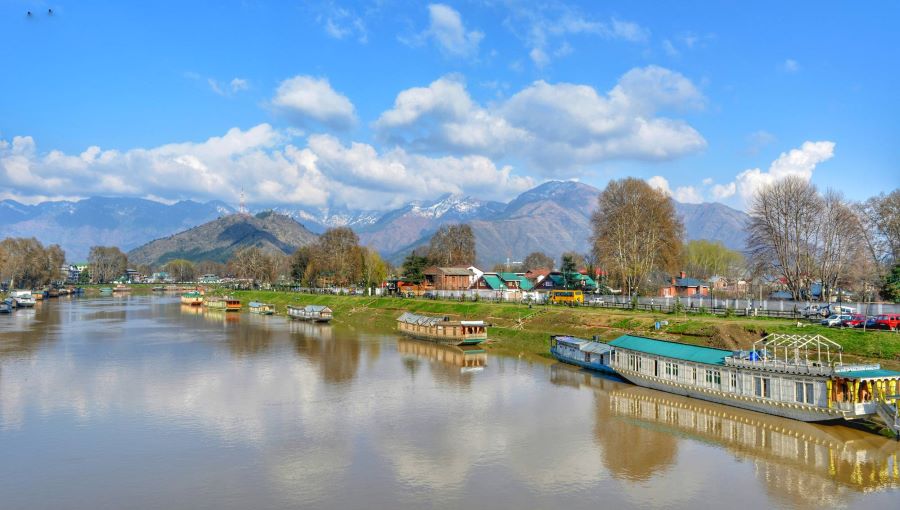
Source: kashmirmarathon
Where Does the Jhelum River Start?
The river begins at a magnificent spring called “Chashma Verinag.” This spring is found in the foothills of the Banihal Pass in the south east of the Kashmir Valley. This is where the river runs to the west and makes a series of curves in the valley in the shape of a zig-zag. Due to the average elevation of 1,829 meters above sea level the surrounding mountains remain under snow between October and May.
Also Read: Which River Flows Through The Most Indian States?
What is the River System and Topography of the Jhelum?
The Jhelum is a "west-flowing" river. It is one of the five major tributaries that eventually join the Indus River in Pakistan.
Unique Geography:
-
High Banks: Interestedly, the river banks tend to be higher than the land that is behind it.
-
The Zig-Zag Path: Between the town of Khanabal and Srinagar, the river flows in a zig- zag form, in the shape of an S.
-
Floods: The banks are low and swampy in other places. These places may be flooded by heavy rains, hence the road specifically built to defend Srinagar against rising water (such as the road near Kursu Padshahi Bagh).
Major tributaries of the Jhelum
Below in the table format, some of its major tributaries are given:
| Stream / River Name | Origin & Source | Catchment Area | Total Length | Confluence | Key Characteristics |
| Nallah Lidder | Glaciers near the Upper Sindh Valley: Shashnag and Tarsar Lakes. | 580 sq. km | 69 km | 2 km downstream of Khannabal. | The biggest stream in the basin; it flows through mountain gorges. |
| Nallah Sindh | Haramukh Mount; headwaters near Zogila and Amarnath peaks. | 1535.9 sq. km | 96 km | Village Shadipur. | Forms an extensive delta and shallow marshes (Anchar) in the plains. |
| Nallah Vishow | The foothills of Pir Panjal (between the Sidan and Banihal ranges). | 1210 sq. km | 60 km | Sangam. | Well-defined channel with high banks. |
| Rambiara Nallah | High hills between Pir Panjal and Rupri Passes. | 270 sq. km | 68 km | Joins Vishow near Naiyana (2 km upstream from Sangam). | Steep, shallow, and prone to brief flash floods; divided into numerous creeks. |
| Dudhganga River | "Tala Kosi" in central Pir Panjal; sources include Sungsafad and Yachera streams. | 165.8 sq. km | Not specified | Left flank of Jhelum. | Formed by two distinct mountain streams. |
| Pohru | Lolab Valley (North-South direction). | 479.15 sq. km | 54.37 km | 6.5 km downstream of Sopore town. | An important tributary draining the Lolab area. |
Why is the Jhelum River Famous for?
The Jhelum is not just a water body; it is a witness to some of the greatest events in world history.
1. The Battle of the Hydaspes (326 BC)
The Battle of the Hydaspes was one of the most famous battle in history, as it was held on the shores of this river. It was fought between Alexander the Great and the Indian King Porus. Despite the victory, Alexander was amazed by the courage of King Porus to the extent that he gave him his kingdom back.
2. The Lifeline of Kashmir
The river flows through the heart of Srinagar. The famous "Houseboats" and the beautiful bridges (known as Kadals) are all part of the culture built around the Jhelum.
3. Mention in Ancient Texts
Apart from the Rigveda, the river is also mentioned in the Nilamata Purana. It is considered a holy river in many local traditions of Jammu and Kashmir.
So, the Ancient Name of the Jhelum River depends on its historical records. In the Rigvedic, its name is Vitasta, and in the Greek, it is called Hydaspes. Historically, the Jhelum was the site of the legendary battle between Alexander and Porus, in the Battle of the Hydaspes. Beyond this, Jhelum has also been considered the lifeline for the Kashmir Valley for centuries. For more such articles, Visit Jagran Josh regularly!



Comments
All Comments (0)
Join the conversation