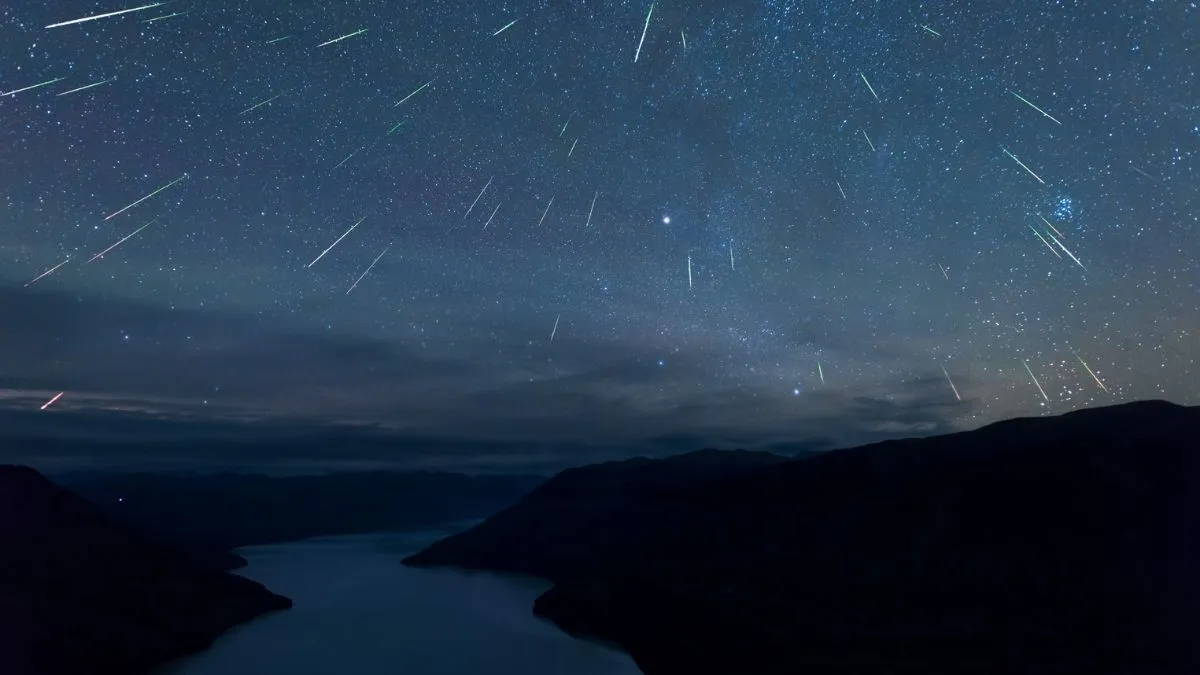
Ursid Meteor Shower 2025: The night sky is preparing for its final act of the year. Following the intense Geminids, the Ursid meteor shower is currently active and approaching its peak during the night of December 21–22. While often called a "minor" shower, the 2025 display is particularly special for US-based observers. According to the American Meteor Society (AMS) and NASA, this year’s peak coincides perfectly with the Winter Solstice and, more importantly, a moonless sky. Since a New Moon occurred on December 20, the lack of lunar glare creates the perfect black canvas for spotting these faint, medium-velocity shooting stars.
What is the 2025 Ursid Meteor Shower Peak Time?
The peak of the Ursids is a short, sharp window rather than a multi-day event. For 2025, the maximum activity is predicted to occur at approximately 11:00 UTC on December 22.
For stargazers in the United States, this translates to the prime viewing hours of:
-
Eastern Time: 6:00 AM on Monday, December 22.
-
Pacific Time: 3:00 AM on Monday, December 22.
While the peak is at dawn, the best time to start looking is from midnight through the first light of Monday morning. This is when the radiant point in the Little Dipper (Ursa Minor) sits highest in the northern sky.
Check Out - Geminids Meteor Shower 2025: 150 Shooting Stars per Hour Peak Tonight; Know How to Watch?
Where to Watch the Ursid Meteor Shower Tonight in the US?
Unlike major showers like the Perseids, the Ursids are strictly a Northern Hemisphere event. If you are located in the Southern Hemisphere, the radiant stays below the horizon.
Tips for the Best Shooting Star Visibility
-
Ditch the Tech: Your eyes need about 20–30 minutes to adjust to total dark. Looking at your phone for even a second will reset your "night vision" and make the meteors invisible.
-
Find the Little Dipper: Look toward the North Star (Polaris). The meteors will seem to emerge from this area, but don't stare directly at it. Look about 30 degrees away to catch the longer tails of the meteors.
-
Dark Sky Locations: City lights will wash out the Ursids. If you can, drive to a local park or rural area away from streetlights.
Check Out: Meteor Showers List 2025: When & How to See the Shooting Stars Tonight in the US
Why is the 2025 Ursid shower Different from Previous Years?
The "secret weapon" for the 2025 Ursids is the Moon Phase. In many years, a bright moon washes out the faint Ursid streaks. This year, the moon is a mere 3% illuminated crescent that sets early in the evening. This leaves the sky exceptionally dark during the peak morning hours..
| Feature | 2025 Ursid Meteor Shower Details |
| Active Dates | December 17 – December 26 |
| Peak Night | December 21–22 |
| Expected Rate | 5–10 meteors per hour (with possible outbursts) |
| Parent Body | Comet 8P/Tuttle |
| Lunar Interference | None (Ideal conditions) |
The night skies have some special gifts for you this December:
— NASA (@NASA) December 1, 2025
- The peak of the Geminid meteor shower
- The closest approach of 3I/ATLAS to Earth (at about 170 million miles)
- A Jupiter-Moon conjunction
Get more details on this month’s celestial sights: https://t.co/wmmYGYDqgb pic.twitter.com/hpm5fyOmTc
Whether you are a seasoned astrophotographer or a casual night owl, the Ursid meteor shower 2025 is the perfect way to spend the longest night of the year. With the winter solstice providing extra hours of darkness and the moon staying out of the way, your chances of spotting a Yuletide shooting star are higher than ever. Just remember to dress warmly and look North!



-1766145347216.jpg)

Comments
All Comments (0)
Join the conversation