Show Key Points
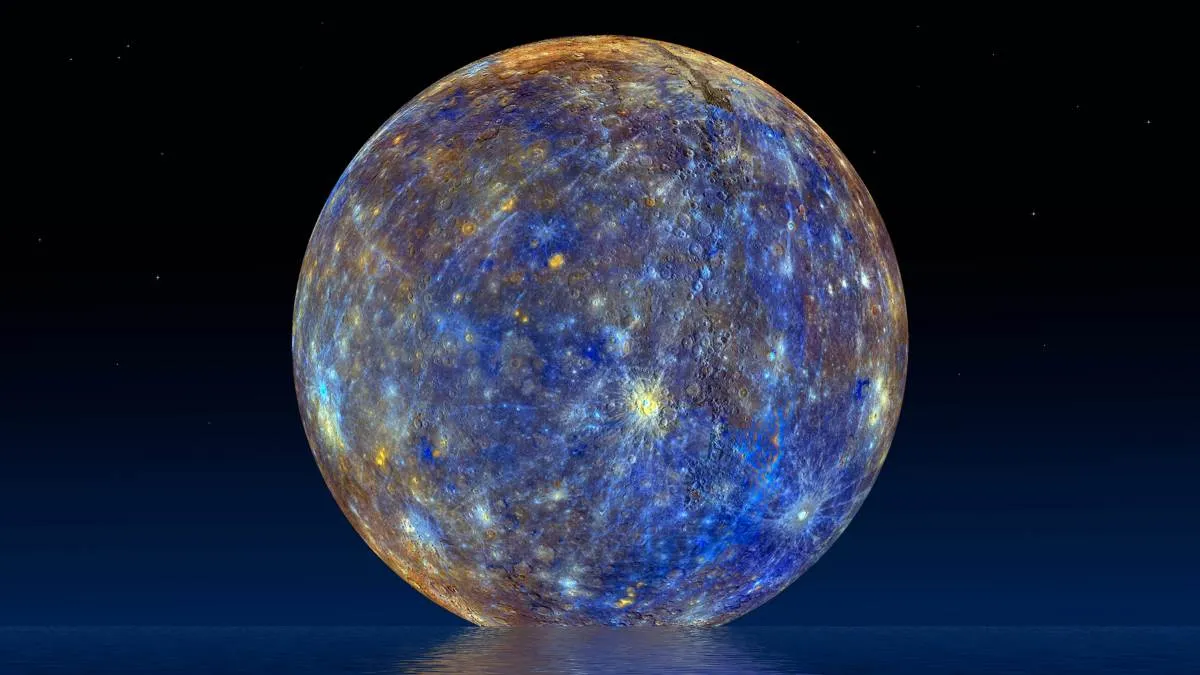
Mercury Retrograde will happen a number of times in the year 2026; this is a phenomenon verified by NASA that has interested both astronomers and astrology buffs alike for some time now. During all of these times, due to the relative speed of Earth versus Mercury in their own orbital paths out in space, we will see Mercury seeming to travel in reverse; this is just an optical illusion.
Although NASA says that this is not going to have any effect on humans, technology, or travel, astrologers will say that when Mercury goes retrograde there tends to be an increase in malfunctioning communication, delayed travel, and other unexpected interruptions.
Astronomers who wish to see Mercury moving through the night sky while it is retrograde can do so with the use of a telescope or an astronomy app, they will see Mercury appearing to travel backward against the night sky filled with stars.
As you can see, the 2026 Mercury Retrograde periods will produce interest for scientists as well as intrigue for many others.
Check Out: Hurricane Melissa Makes History as the Strongest Atlantic Storm on Record!
What is Mercury Retrograde?

Source: NASA
Mercury retrogrades occur at least three times each year when Earth surpasses Mercury in orbit around the Sun.
When viewed from Earth, Mercury will appear to slow down and stop before temporarily appearing to move in reverse before finally resuming its normal motion in a forward direction. According to NASA, this phenomenon is purely an optical illusion from the perspective of observers on Earth and has no direct impact on human beings or machines.
Mercury Retrograde Dates in 2026
The dates of Mercury's Retrograde cycle based on NASA are:
-
February 16 - March 9 in 2026
-
June 18 - July 11 in 2026
-
October 14 - November 6 in 2026
From February 16 to March 9, Mercury will look like it is going backward compared to the stars in the sky.
How to Observe Mercury Retrograde?
NASA provides many images and associated orbital data for amateur astronomers so they can easily track the position of mercury as it moves across the night sky.
Skywatchers can watch Mercury appearing to move backward through the cosmos even if it is simply a temporary visual effect.
From this perspective and because Mercury is typically close to sunrise or sunset, it can easily be viewed as a bright star on the horizon.
To see the apparent retrograde motion of Mercury:
-
Use official NASA sky maps to help you find Mercury in its astrological context.
-
When you have located Mercury, look for its movement relative to other stars over the course of several nights to observe Mercury's apparent slowing down and then coming to a net stop.
-
Take notes of what you see or photograph Mercury so that you can compare its apparent location with previous observations.
Following Mercury along the nighttime sky can be a very fascinating experience.



-1772091930975_t.webp)
Comments
All Comments (0)
Join the conversation