Show Key Points
On Tuesday, Cuba experienced a 6.0-magnitude earthquake, potentially complicating the country’s ongoing challenge of managing a dire energy crisis that has included nationwide power outages, due in part to fuel shortages and a significantly stressed electrical grid.
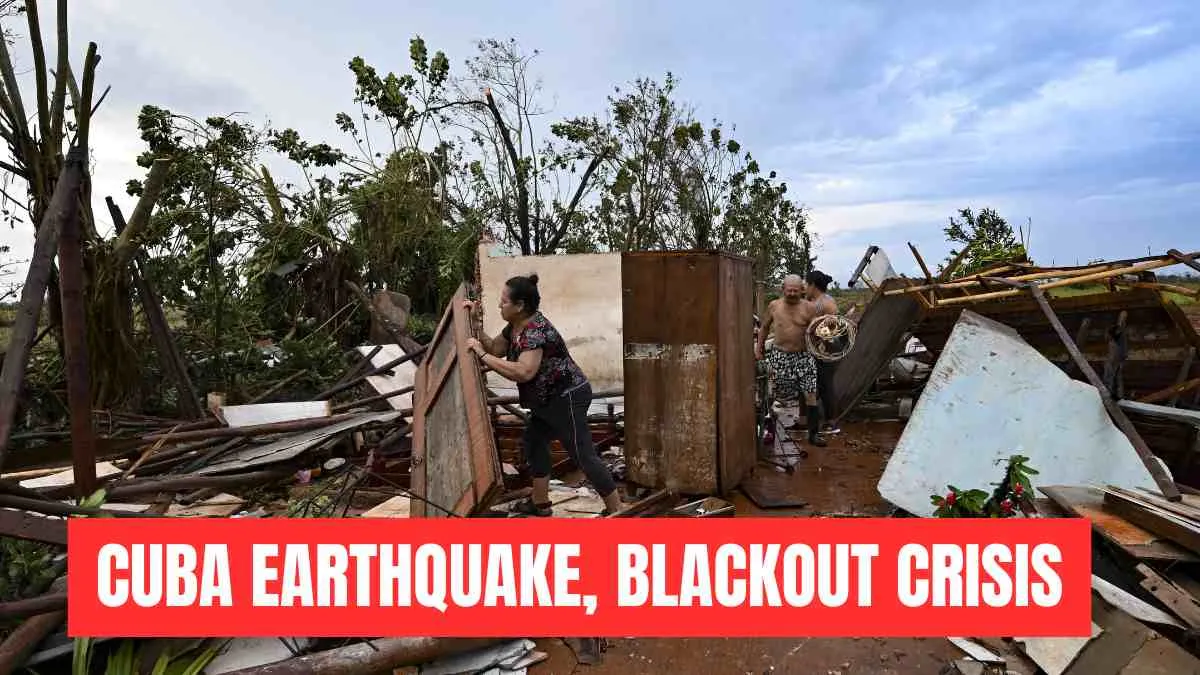
In addition to being felt throughout multiple regions of the island, the earthquake caused Cubans to evacuate buildings and created uncertainty about whether or not there would be damage to the island’s physical infrastructure.
As if that were not enough, U.S. fuel sanctions have reduced Cuban access to energy, including fuel used to generate electricity, thus placing additional strain on an already fragile system and prompting Cuban authorities to rush to assess damage and re-establish vital services.
Check Out: Why Does Chicago Dye Its River Green Every St. Patrick’s Day?
Powerful Tremor Shakes Multiple Regions
An earthquake with a 6.0 magnitude hit Cuba on Tuesday, sending tremors throughout the country and causing widespread panic.
Residents fled their homes and buildings as the tremor shook urban and rural areas alike. However, while no major damage or injuries were initially reported, local authorities began assessing damage and monitoring for potential aftershocks quickly.
Existing Power Crisis Worsens Situation
These events have exacerbated the electricity crisis that Cuba has already been facing, having already endured massive blackouts and disruptions throughout the nation due to an aged and burdened power grid, as well as an increase in demand for electricity due to people trying to power up their supporting systems.
The country has been struggling for months with prolonged blackouts in most locations affecting homes, businesses and healthcare facilities which will complicate recovery after the earthquake.
Fuel Shortages and U.S. Restrictions Add Pressure
Cuba is suffering from a serious and ongoing energy crisis that has been made worse by limited access to fuel supplies due to the constraints placed on Cuba by the US government, thereby forcing the government to rely on a dwindling supply of fuel.
These limitations have had a dramatic impact on the country's ability to generate electricity, resulting in long and frequent blackouts throughout the island.
The national electric grid continues to be strained due to both an aged and failing electrical infrastructure and a lack of fuel supply to generate electricity.
A recent earthquake on the island has raised fear that energy-producing infrastructure (i.e., power plants and transmission lines) has been damaged, which would further impede electric production and distribution, worsen the current energy shortages, and further complicate recovery efforts for a government that is already taxed as a result of supporting an overburdened energy system.



Comments
All Comments (0)
Join the conversation