Show Key Points
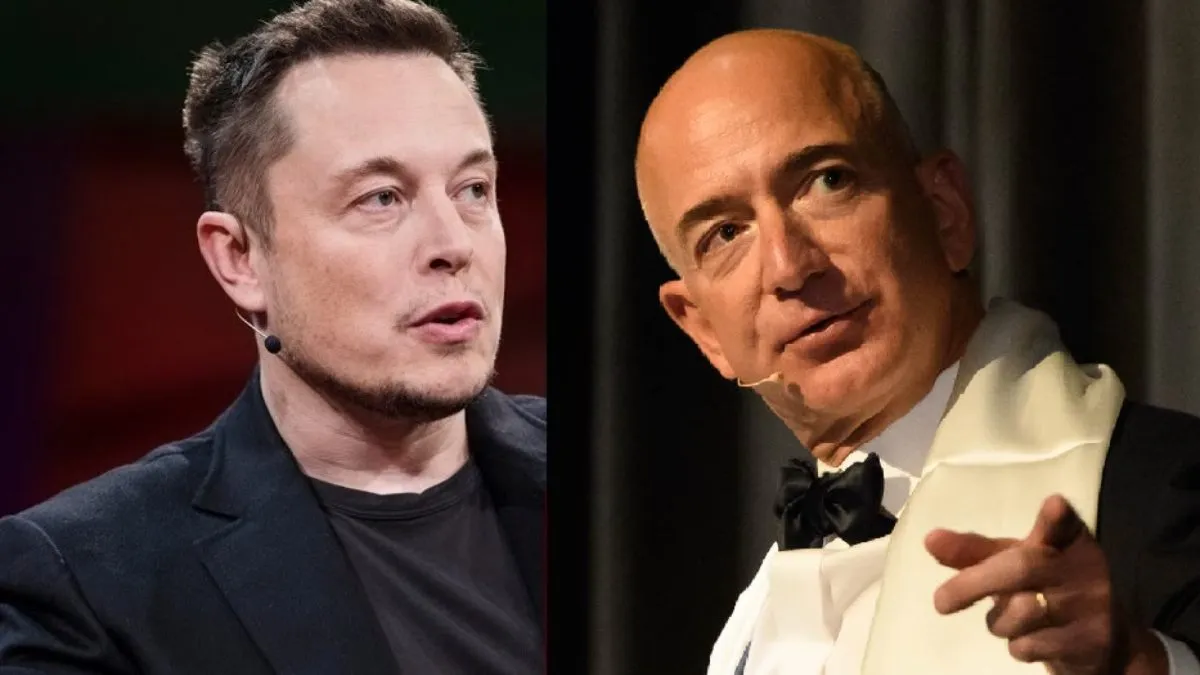
There is a major conflict occurring right now regarding who will be the leader of space-based internet infrastructure. Amazon has called for a no vote by the FCC on SpaceX's proposal, which entails launching approximately 1 million satellites into orbit around the Earth.
This project supports Elon Musk's goal of expanding on his current Starlink satellite system. Amazon also expressed its belief that this huge group of satellites will continue to be a problem from a regulatory and technical standpoint and will significantly complicate existing problems relating to space traffic.
Check Out: Trump Appoints Erika Kirk to U.S. Air Force Academy Board of Visitors
What does Musk’s Plan involve?
SpaceX, Musk's private aerospace company, which operates the Starlink network, has put out its proposal for future plans.
Starlink has revealed a plan that would utilize the thousands of satellites in its existing infrastructure for high-speed broadband access on a global scale; however, this is just one aspect of the company's comprehensive vision for additional satellite resources.
The proposal describes a long-term global initiative to develop a satellite system comprised of multiple interconnected networks that will support a wide range of functions throughout the world.
Potential new capabilities for satellites include:
1. Building or maintaining other satellites (dedicated) within Low Earth Orbit (LEO). These could include:
a. Dedicated satellites for satellite building/maintenance.
b. Large data center hosting satellites within low earth orbit.
2. Multiple satellites similar to satellite constellations currently in service today.
Why Amazon Is Objecting?
Amazon is currently in the process of building its own satellite broadband network via Project Kuiper and has requested that regulators reject SpaceX's proposal on the grounds that SpaceX did not provide adequate technological specifications nor do they have the ability to launch that many satellites into orbit with existing global launch capacity.
In addition to this, Amazon argues that launching this number of satellites into an environment that already has more than enough satellites will aggravate current congestion and traffic issues in Earth's orbit, increase collision risk, and create long-term sustainability problems.
What Happens Next?
Subsequent actions will be determined by the FCC, which has the final authority on SpaceX's proposal's compliance with applicable regulations. If the FCC approves the proposal to build 12,000 satellites, the scale of satellite infrastructure in orbit will be greatly enhanced.
A rejection from the FCC would represent an extraordinary setback for what may be one of the largest and most audacious satellite systems ever proposed.
This dispute illustrates that competition for future global internet infrastructure development is moving out of earth-based systems into space-based systems.


-1773408405938_t.webp)


Comments
All Comments (0)
Join the conversation