Key Points
- Kinkajous, also known as 'Night Walkers,' inhabit rainforests of Central & South America.
- These nocturnal creatures are related to raccoons, despite their monkey-like appearance.
- Kinkajous play a vital role in rainforest pollination and seed dispersal.
Did you know that some animals spend their entire lives sleeping during the day and only wake up when the sun goes down?
Every animal has a special way of living and surviving in the wild. Some like to stay in groups, and others prefer to be alone.
Nature has given each one a unique role to play. Many of these creatures have funny or cool names based on how they look or act. These quirky monikers tell us about their role in the animal kingdom.
For instance, the mighty lion is known as the King of the Jungle, whereas the beaver is known as the architect of the animal kingdom. The Cheetah is known as the king of speed. On the other hand, the owl is known as the silent hunter.
But can you guess which animal is known as the Night Walker? In this article, we will take a look at this mysterious creature and find out what makes it so special.
ALSO READ| List of Animals Who Don't Sleep
Which Animal Is Known As The Night Walker?
:max_bytes(150000):strip_icc()/__opt__aboutcom__coeus__resources__content_migration__mnn__images__2016__01__kinkajou-portrait-01-9487f6ff480d4deb916c9bae832cfec2.jpg)
Source: Treehugger
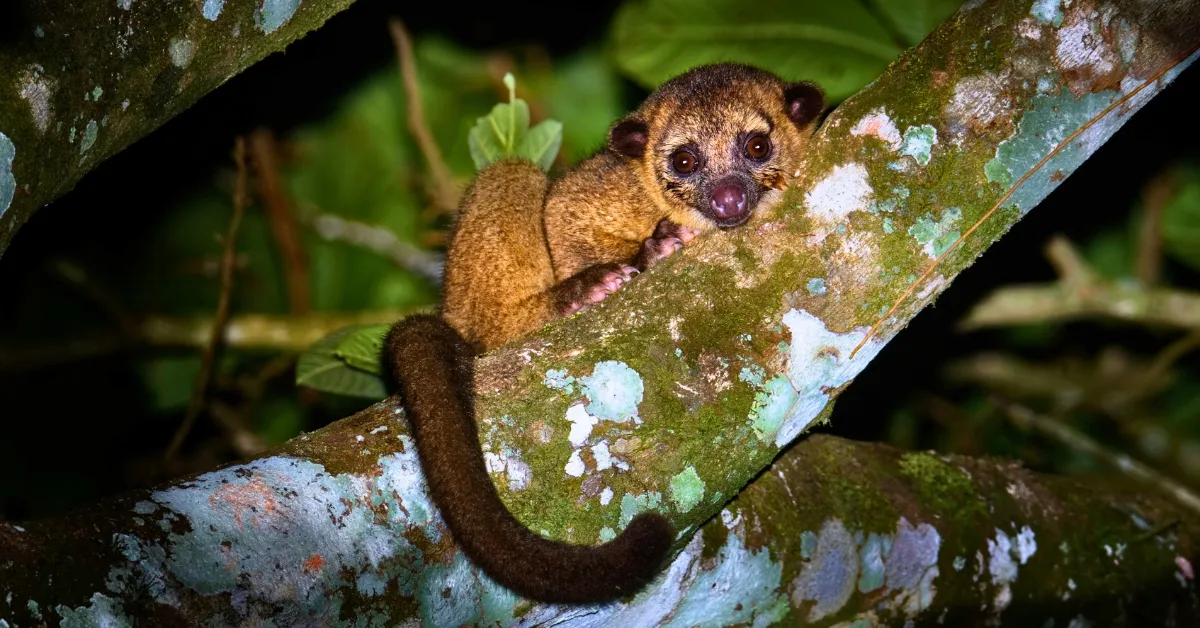
The Kinkajous (Potos flavus) are known as the 'Night Walkers' in Belize and also as 'Honey bears' because of their love of fruit and nectar.
These fascinating creatures live in the tropical rainforests of Central and South America. They are strictly nocturnal; they only come out at night and move through the high tree canopies in the dark.
Despite their monkey-like appearance and long, gripping tails, kinkajous are actually related to raccoons. They weigh about 3 to 10 pounds and have soft, honey-coloured fur.
They mainly eat fruit, but they also enjoy nectar and insects. Their big eyes and nimble paws make them skilled in the midnight forest.
In a Nutshell
| Topic | Quick Fact |
| Common Name | Kinkajou or Honey Bear |
| Scientific Name | Potos flavus |
| Home | Tropical Rainforests |
| Special Skill | Hanging by its tail |
| Main Diet | Fruit, Nectar, and Honey |
10+ Surprising Facts About Kinkajous
- They are often called "Honey Bears" because they love raiding beehives to eat honey.
- Kinkajous can turn their feet backwards to run easily in either direction along tree branches.
- They have a 5-inch-long tongue used to extract nectar from flowers and honey from hives.
- Even though they have prehensile (grasping) tails like monkeys, they are members of the Procyonid family, just like raccoons.
- Their large, round eyes are specially designed to reflect light, helping them see clearly in pitch-black darkness.
- They spend about 90% of their lives in the canopy, rarely ever touching the forest floor.
- While they hunt alone, they often sleep in small family groups in hollow tree trunks during the day.
- In captivity, these small mammals can live for over 40 years, which is very long for their size.
- By travelling from flower to flower for nectar, they play a vital role in pollinating rainforest plants.
- They have scent glands on their chests and throats to mark their territory for other Kinkajous.
- They communicate using a variety of barks, hisses, and shrill screams that can be heard throughout the jungle night.
YOU MIGHT BE INTERESTED| List of Animals That Can Live Without Oxygen
Why is the Kinkajou Considered the Master of the Jungle?
The kinkajous are also known as the masters of the Jungle because they know how to survive in the rainforests of South America while protecting themselves from predators.
They are the jungle's 'acrobats' who spend most of their lives living on the top layers of the jungle without needing to come to the forest floor. Here is why the Kinkajou is a Master of the Jungle:
- "Fifth Hand" Prehensile Tail: Kinkajous have a completely prehensile tail, which they use for hanging upside down when feeding, balancing on narrow branches and climbing. In fact, their tail acts as their “fifth limb”.
- 180-Degree Rotating Feet: They have the rare ability to turn their hind feet backwards, allowing them to run in either direction along branches, descend tree trunks headfirst, and move with extreme agility.
- Specialised Feeding Tools: They have a 5-inch-long, slender tongue designed to reach deep inside flowers for nectar or into bee/termite nests for food. They are major pollinators of the rainforest.
- Nocturnal Lifestyle: As strictly nocturnal animals, they sleep in tree hollows during the day and come out at night to make their way around the canopy to avoid nighttime predators.
- Exceptional Senses: While they have poor vision, they possess an excellent sense of touch and smell to locate food in the dark.
- Ecological Importance: They are vital for the forest ecosystem as both seed dispersers and pollinators.
The "Honey Bear" Diet
Even though they are classified as carnivores, they act more like fruit lovers.
- Sweet Treats: 90% of their diet is ripe fruit, especially wild figs.
- Nectar & Honey: Using their long tongues, they drink from flowers and raid beehives.
- Protein Snacks: Occasionally, they will eat bird eggs or small insects for extra energy.
What Role Does the Night Walker Play in Nature?

Source: National Geographic
Every animal has a job to do in the forest. The Kinkajou is like a gardener who works while everyone else is asleep.
The Rainforest's Nighttime Gardener
Because they travel so much and eat so many different things, they help the forest grow.
- Seed Spreading: When they eat fruit and move to different trees, they leave seeds in their droppings. This helps new trees grow far away from the parent tree.
- Pollination: Just like bees, they get pollen on their faces while drinking nectar. As they move to the next flower, they help plants reproduce.
Dealing with Predators
Being a "Night Walker" is actually a clever safety plan.
- Hiding from Hawks: By staying active only at night, they avoid large birds like Harpy Eagles that hunt during the day.
- Camouflage: Their golden-brown fur blends perfectly with the bark of the trees and the shadows of the leaves.
Conclusion: The Night Walkers of Tropical Rainforests
The Kinkajou is a true wonder of the tropical rainforest. Its remarkable "fifth hand" tail and its role as a nighttime gardener illustrate how specialised nature can be. Although humans seldom see them, their work in spreading seeds and pollinating flowers helps keep the jungle healthy and green.
WHAT'S NEXT| Which Animals Cannot Walk Backwards? Revealed



-1770114495275.jpg)
Comments
All Comments (0)
Join the conversation