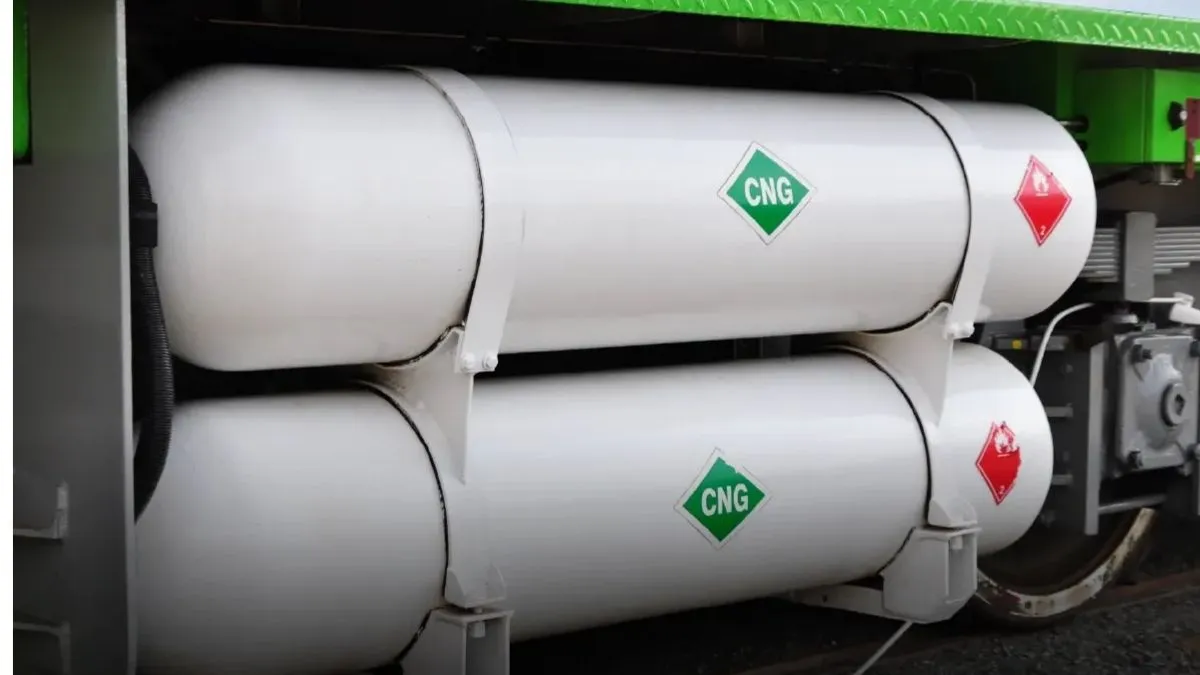
CNG (Compressed Natural Gas) is a natural gas stored under high pressure. It is lighter than air and ideal for vehicles due to its cleaner and more cost-effective value.
CNG is different from LPG (Liquefied Petroleum Gas) in their composition, state of matter, and primary use. LPG is stored under lower pressure. It is heavier than air and is considered cleaner than petrol/diesel. It is mostly used for cooking and heating purposes. It offers more energy than CNG.
Shifting back our focus on CNG, let us tell you that CNG is a mixture of hydrocarbons, not a single compound. So though CNG is composed primarily of one compound, it contains a mixture of gases in variable proportions.
Just as common substances have scientific names assigned by the International Union of Pure and Applied Chemistry (IUPAC), CNG does too. In this article, we will learn the chemical name of CNG.
Do you know the chemical name for chalk? Read here.
What is the chemical name and formula for CNG?
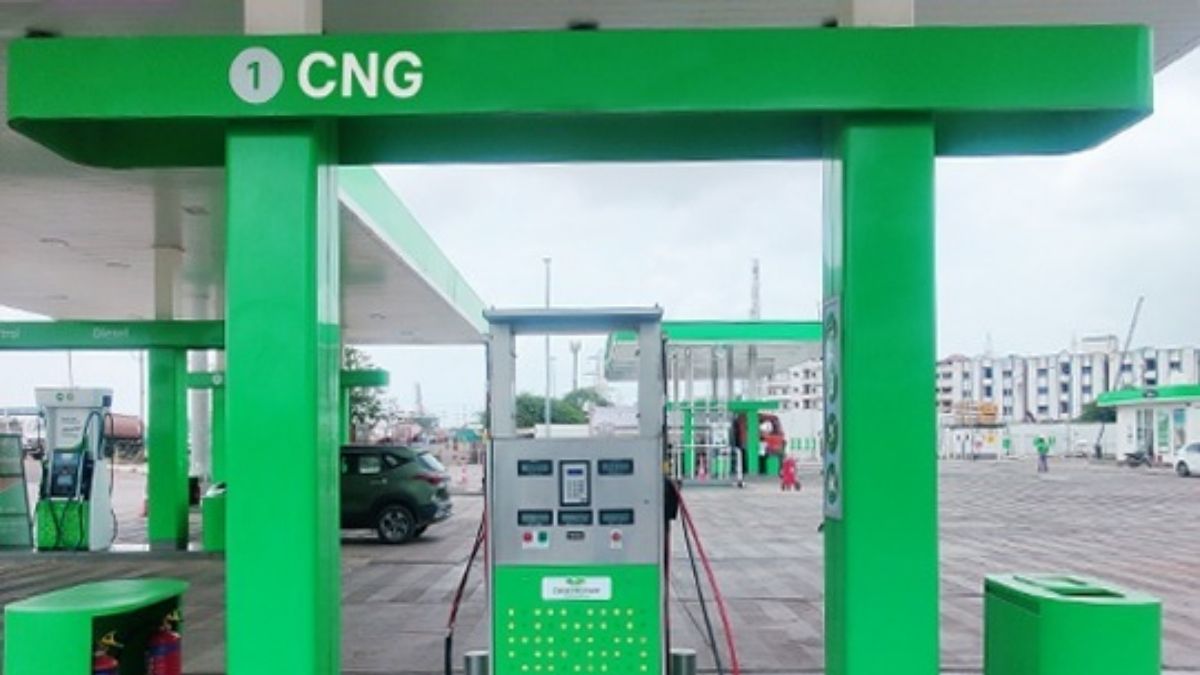
The chemical name (IUPAC name) for CNG (natural gas) is methane. Though CNG also contains trace amounts of ethane, propane, nitrogen, and carbon dioxide. But methane is the prominent component.
The chemical formula for methane is CH₄ (one carbon atom and four hydrogen atoms).
Source: Britannica
Properties of Methane
CNG is essentially natural gas, which is primarily methane (85 to 95 per cent). Methane is a colourless, odourless, flammable hydrocarbon. It is a potent greenhouse gas responsible for warming. It can trap more heat than carbon dioxide (CO₂) but for a shorter time. It usually comes from natural sources (swamps and landfills) and human activities (livestock, fossil fuels and waste).
Let us quickly look at the physical and chemical properties of methane.
Physical Properties
Appearance: Colourless
Odour: Odourless
Taste: Tasteless
Density: Lighter than air (~0.554)
Melting Point: -182.456 degrees Celsius
Boiling Point: -161.49 degrees Celsius
Solubility: Insoluble in water, but soluble in ethanol, diethyl, ether, benzene, toluene, methanol, acetone
Chemical Properties
Composition: Methane
Flammability: Highly flammable, burns with a pale blue flame
Explosivity: Mixtures with air (4.4 to 17 per cent by volume) are explosive
Combustion: Produces carbon dioxide and water
Source: Wikipedia
Uses of CNG
CNG is widely used, as it burns cleaner and produces fewer pollutants. It is also cheaper than liquid fuels. CNG is used for city buses, auto-rickshaws, and taxis due to lower emissions and costs. It is used as a fuel for generators, furnaces, boilers, and manufacturing steel, building materials, and food processing. Some of the uses of CNG are as follows:
-
Transportation
-
Industrial manufacturing and processing
-
Chemical feedstock
-
Power generation
-
Agriculture





Comments
All Comments (0)
Join the conversation