PM Modi Congratulates ISRO After Successful NVS-03 Launch: How the Satellite Will Strengthen India’s NavIC System
PM Narendra Modi congratulated ISRO after the successful GSLV-F18 launch carrying NVS-03. Know how the new satellite will strengthen India’s NavIC navigation system.
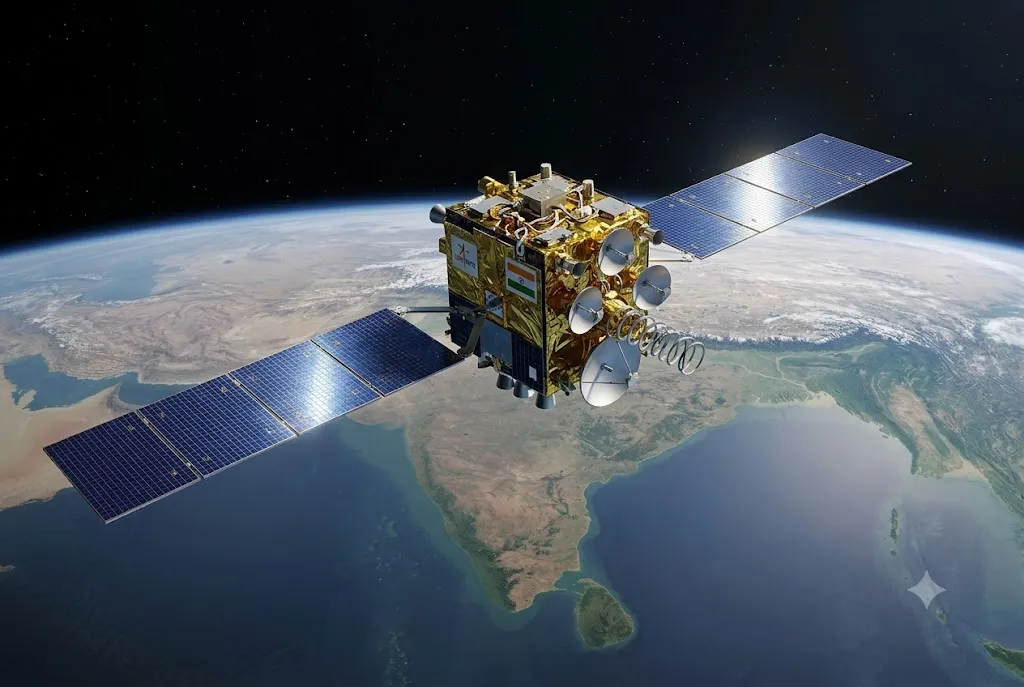
Prime Minister Narendra Modi congratulated the scientists and engineers of the Indian Space Research Organisation (ISRO) after the successful launch of the GSLV-F18 rocket carrying the NVS-03 navigation satellite. The satellite was launched from the Satish Dhawan Space Centre in Sriharikota. It was successfully placed into its intended Geosynchronous Transfer Orbit (GTO). NVS-03 is equipped with an indigenous atomic clock and additional navigation signal capabilities that are expected to improve India’s independent navigation services. Keep reading to know in detail.
PM Modi Congratulates ISRO Scientists After NVS-03 Launch
On October 31, 2026, Prime Minister Narendra Modi congratulated ISRO scientists and engineers through a post on X. He described the successful launch as an important step towards strengthening NavIC, India’s indigenous satellite navigation system.
ISRO Successfully Launches GSLV-F18 Carrying NVS-03
ISRO successfully launched the GSLV-F18 rocket carrying the NVS-03 satellite from the Second Launch Pad at the Satish Dhawan Space Centre, Sriharikota.Here are the key details of the mission:
| Mission Details | Information |
| Mission name | GSLV-F18/NVS-03 |
| Launch vehicle | Geosynchronous Satellite Launch Vehicle (GSLV-F18) |
| Satellite | NVS-03 |
| Launch location | Satish Dhawan Space Centre |
| Launch site | Sriharikota, Andhra Pradesh |
| Launch date | October 30, 2026 |
| Orbit | Geosynchronous Transfer Orbit (GTO) |
| Mission objective | Strengthen India’s indigenous navigation system |
| GSLV flight number | 20th flight |
| Satellite series | Third satellite in the next-generation navigation satellite series |
What Is NVS-03 Satellite?
NVS-03 is the third satellite in ISRO’s next-generation navigation satellite series. It is designed to strengthen India’s regional navigation capabilities and support the continuity of services provided through NavIC. The satellite carries an indigenous atomic clock along with procured atomic clocks. It also introduces the L1 navigation signal alongside the existing L5 and S-band signals.
NVS-03 Satellite: Key Features
| Feature | Details |
| Satellite series | Next-generation navigation satellite series |
| Atomic clock | Carries an indigenous atomic clock along with procured atomic clocks |
| Navigation signals | L1, L5 and S-band |
| Navigation system | NavIC |
| Coverage area | India and up to 1,500 km beyond its geopolitical boundary |
| Main purpose | Continuity and improvement of regional navigation services |
How Will NVS-03 Strengthen India’s NavIC System?
NavIC stands for Navigation with Indian Constellation. It is India’s independent regional satellite navigation system, developed to provide positioning, navigation and timing services. NavIC is designed to provide coverage across India and an area extending approximately 1,500 km beyond the country’s geopolitical boundary.
What Is NavIC and How Is It Different From GPS?
NavIC is India’s regional satellite navigation system. It was developed by ISRO to provide independent positioning, navigation and timing services. GPS or Global Positioning System, is operated by the United States. Other global navigation satellite systems include Russia’s GLONASS, the European Union’s Galileo and China’s BeiDou.
| Navigation System | Country or Region | Full Name |
| NavIC | India | Navigation with Indian Constellation |
| GPS | United States | Global Positioning System |
| GLONASS | Russia | Global Navigation Satellite System |
| Galileo | European Union | Galileo Satellite Navigation System |
| BeiDou | China | BeiDou Navigation Satellite System |
What Is the GSLV-F18 Rocket?
The Geosynchronous Satellite Launch Vehicle (GSLV) is an Indian launch vehicle developed by ISRO to place satellites into geosynchronous and other designated orbits. GSLV-F18 was the 20th flight of India’s GSLV. It successfully carried NVS-03 and placed the satellite into its intended Geosynchronous Transfer Orbit. The mission is part of India’s continuing efforts to strengthen its space-based navigation infrastructure.
NVS-03 Launch
| Question | Answer |
| Which organisation launched NVS-03? | ISRO |
| Which rocket carried NVS-03? | GSLV-F18 |
| Where was the satellite launched from? | Satish Dhawan Space Centre, Sriharikota |
| When was NVS-03 launched? | October 30, 2026 |
| Which navigation system will it strengthen? | NavIC |
| Which atomic clock does it carry? | An indigenous atomic clock, along with procured atomic clocks |
| Which navigation signals does it support? | L1, L5 and S-band |
| How far does NavIC coverage extend beyond India? | Approximately 1,500 km |

Jasreet Kaur is a journalist with over 3 years of experience in digital media and news content creation. She specializes in covering Trending News, including major National and International developments, with a focus on delivering accurate, engaging, and reader-friendly stories. Prior to this, she worked with Zee News as a Content Writer, where she gained extensive experience in news reporting and content strategy. Driven by curiosity, credibility, and a passion for impactful journalism, Jasreet aims to contribute to informed public discourse while supporting positive growth in organizations, society, and the world.