Key Points
- Kalinga War in 261 BCE led Ashoka to embrace Buddhism.
- Name officially changed from Orissa to Odisha on November 4, 2011.
- Ancient Odisha was a naval superpower due to monsoon navigation.
India has a rich and long history. For thousands of years, its cities and regions have had different names. These old names reveal a lot about the culture, rulers, and heritage of each place.
For example, Patna was once the well-known capital called Pataliputra. Similarly, Varanasi was often called Kashi in old texts. Assam, a coastal state, was once known as Pragjyotisha.
Learning about these old names helps us connect with our roots. Each part of India has its own identity that has changed over time.
However, do you know what Odisha was called in the past? This region has a strong history and once had a unique name. In this article, we will explore the interesting history of this state's name.
ALSO READ| What is The Old Name Of Bihar?
What is the Ancient Name of Odisha?

Source: Wikimedia Commons
Over the centuries, Odisha has changed from being home to powerful empires to gaining its current identity.
- Kalinga: This is the most famous ancient name, reaching its peak during the reign of Ashoka the Great. The bloody Kalinga War in 261 BCE is a turning point in world history, leading Ashoka to embrace Buddhism.
- Utkala: Mentioned in the Mahabharata and in India's national anthem, this name referred to the region's northern and eastern parts. It was known as a land of "Excellence in Arts" (Utkarsha Kala).
- Odra Desha: During the medieval period, the region was inhabited by the Odra people. The Chinese traveller Hiuen Tsang visited the area in the 7th century CE and referred to it as Wu-Tu.
- Tosali and Kongoda: These were prominent administrative divisions used by various dynasties like the Sailodbhavas and Bhauma-Karas between the 6th and 10th centuries.
- Orissa to Odisha: Under British rule, the name was anglicised to Orissa. On November 4, 2011, the Government of India officially changed the state's name to Odisha and its language to Odia to better reflect the local pronunciation and heritage.
Historical Names of Odisha & Ruling Dynasties
The borders of ancient Kalinga changed over time. Kalinga often meant the coastal area, while Utkala referred to the north and Kosala to the west. These regions together formed the basis of the modern state we know today.
| Ancient Name | Period | Major Ruling Dynasty | Key Historical Significance |
| Kalinga | 6th Century BCE – 4th Century CE | Mahameghavahana (Chedi) | King Kharavela expanded Kalinga into a powerful maritime empire. |
| Utkala | 7th Century CE – 10th Century CE | Bhauma-Kara Dynasty | A period known for the "Excellence of Arts" and Buddhist influence. |
| Kongoda | 6th Century CE – 8th Century CE | Sailodbhava Dynasty | Focused on the Ganjam region, known for early temple architecture. |
| Tosali | 3rd Century BCE – 11th Century CE | Mauryan / Somavamshi | Ashoka established Tosali as a major administrative headquarters. |
| Odra Desha | 9th Century CE – 12th Century CE | Somavamshi (Keshari) | The era when the famous Lingaraj Temple was constructed. |
| Kalinga / Utkala | 11th Century CE – 15th Century CE | Eastern Ganga Dynasty | Built the Konark Sun Temple and Jagannath Temple. |
| Orissa | 16th Century CE – 2011 | Bhois / Marathas / British | The name used throughout the colonial era until the recent change. |
The change from Orissa to Odisha in 2011 marked an important cultural moment. The new spelling moved away from the colonial version and reflected the region’s real language. This change respects the Odia identity and helps keep the state’s original name and dignity.
7+ Lesser-Known Facts About Ancient Odisha
- Ancient Odia sailors used the monsoon winds and stars for precise navigation to Southeast Asia as early as the 3rd century BCE.
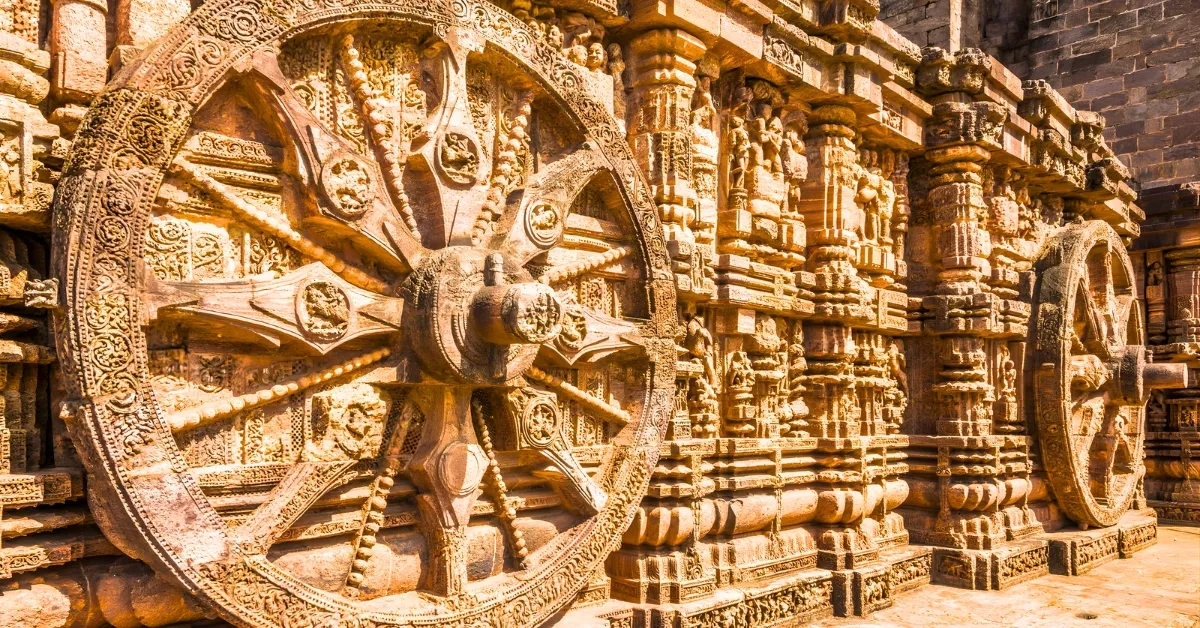
- The Konark Sun Temple’s wheels act as scientific sundials, capable of calculating time down to the minute using shadow lengths.
- The massive stone structures of the Jagannath Temple use interlocking iron dowels, a medieval engineering feat that provides structural stability.
- Archaeologists found evidence that ancient Odisha was a pioneer in metallurgy, producing high-quality steel and zinc long before the West.
- Many ancient Odia temples used porous laterite stone, which naturally regulates temperature, keeping the interiors cool during harsh summers.
- The Pothi Chitra (palm-leaf manuscripts) contained detailed topographical maps used by kings for military and agricultural planning.
- Ancient Odra kings were among the first to create protected elephant forests, recognising the ecological value of these "Mega-herbivores."
- Medieval Odia scrolls contain formulas for herbal pigments that have remained vibrant on temple walls for over 800 years without fading.
- The ancient Munda and Kata systems were scientific water harvesting structures that prevented soil erosion while sustaining crops.
IN CASE YOU MISSED| What is the Old Name of Kanyakumari?
Quick Facts: Modern Districts vs. Ancient Regions
Source: Live History India
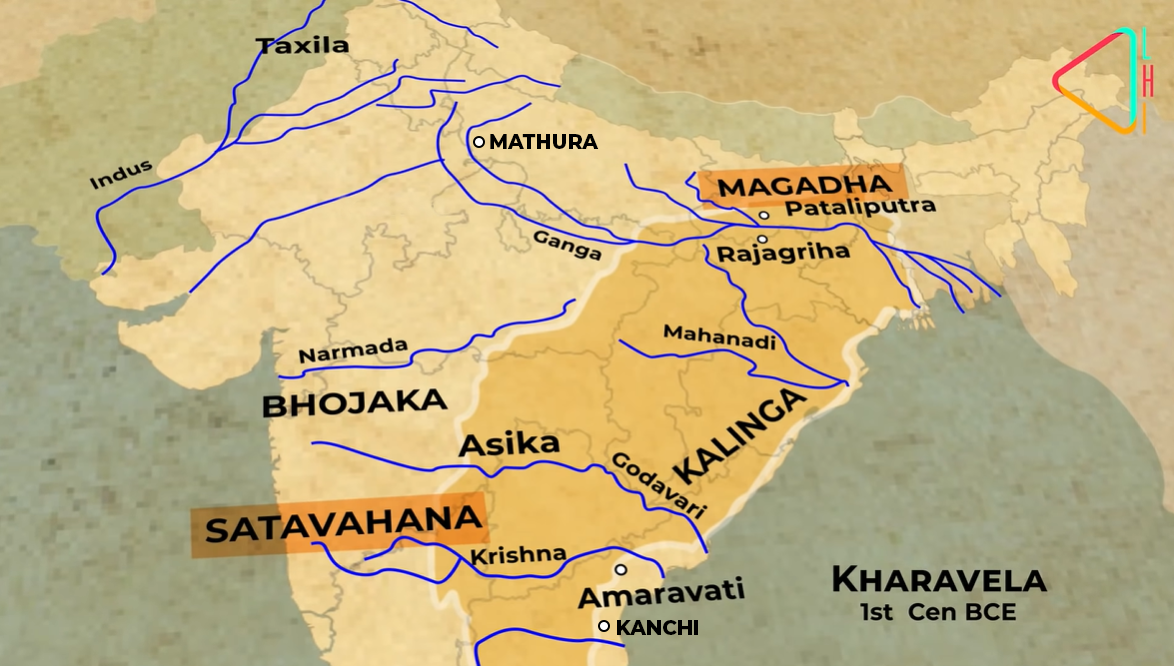
To understand where these ancient kingdoms were located, here is a simple guide to Odisha’s modern-day map:
| Ancient Territory | Modern-Day Districts | Key Highlight |
| Kalinga | Ganjam, Gajapati, and parts of Andhra Pradesh | The heart of the ancient naval power and the site of the Kalinga War. |
| Utkala | Cuttack, Puri, Khordha, and Jajpur | Known for the "Excellence of Arts" and world-famous temple architecture. |
| South Kosala | Sambalpur, Bolangir, and Bargarh | The western belt is famous for its unique culture and ancient trade routes. |
| Odra Desha | Angul, Dhenkanal, and Northern Odisha | The original home of the Odra people, giving the state its modern name. |
| Kongoda | Banapur and the Chilika Lake region | A major administrative centre near the famous brackish water lagoon. |
Why Did Ancient Sailors Call Odisha The "Gateway To The East"?
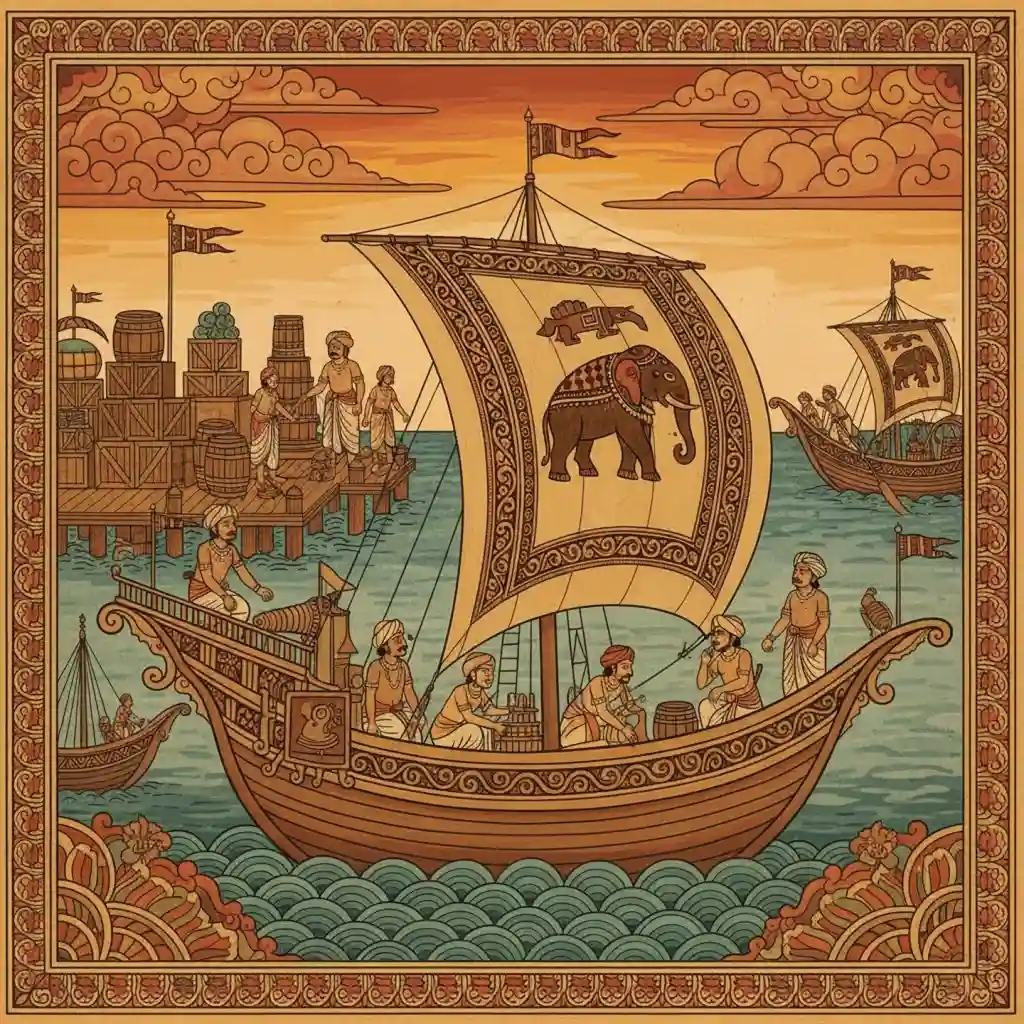
Long before GPS, the people of ancient Kalinga were skilled ocean navigators. They did more than just sail; they understood how monsoon winds worked.
By watching these seasonal winds, they built large ships called Boitas to transport spices, gems, and silk to places like Java, Bali, and Sumatra.
This skill at sea made Odisha a major centre for global trade. That's why Odia culture, such as the Bali Jatra festival, is still celebrated today.
Odisha was more than just a kingdom; it was a naval superpower that linked India to the world through its navigation skills.
MUST READ| What is the Old Name of Iraq?
How Did Odisha's Ancient Names Shape Its Unique Language?

Source: Indian Encyclopaedia
The change from names like Odra Desha to Odisha is more than a geographic update. It reflects the heart of the Odia language.
For hundreds of years, the region's identity was linked to the "Odra" people. Their distinct dialect developed over 2,000 years and eventually led to "Odia" being recognised as a Classical Language of India.
The official name change in 2011 was made to better match the pronunciation of the word in the local language. This update helped the land and its language share the same deep, original connection.
WHAT'S NEXT| What is the Old Name of Turkey?



Comments
All Comments (0)
Join the conversation