
Canals are artificial bodies of water created to assist with irrigation, navigation, water supply and flood protection. Over time, long canals have been used as a way to link far away places with each other so that farmers can increase the amount of products they grow and create trade routes for transporting goods between different locations. Also, many of the longest canals in the world travel through remote areas like deserts, as well as populated urban centres. The fact that many long canals have been built shows the human ability to engineer large-scale structures that control and distribute vast amounts of water.
All canals serve a unique economic and environmental function, and historically, canals were used for transporting goods and providing water for irrigation and sanitary facilities in cities. In competitive exams, there are often questions related to the longest canals in the world; therefore, knowing the longest canals is essential for candidates preparing for government exams. Below is a list of the five longest canals in existence today, along with their basic characteristics.
Check Out: List of Top 10 Oldest Languages in the World (Still Spoken)
Top 5 Longest Canals in the World
Here are the top 5 longest canals in the world along with their country name and length:
| Rank | Name of the Canal | Country | Length |
| 1 | Grand Canal | China | 1,776 km |
| 2 | Karakum Canal | Turkmenistan | 1,375 km |
| 3 | Main Outfall Drain | Pakistan | 589 km |
| 4 | Irtysh-Karaganda Canal | Kazakhstan | 458 km |
| 5 | Volga-Don Canal | Russia | 101 km |
1. China’s Grand Canal
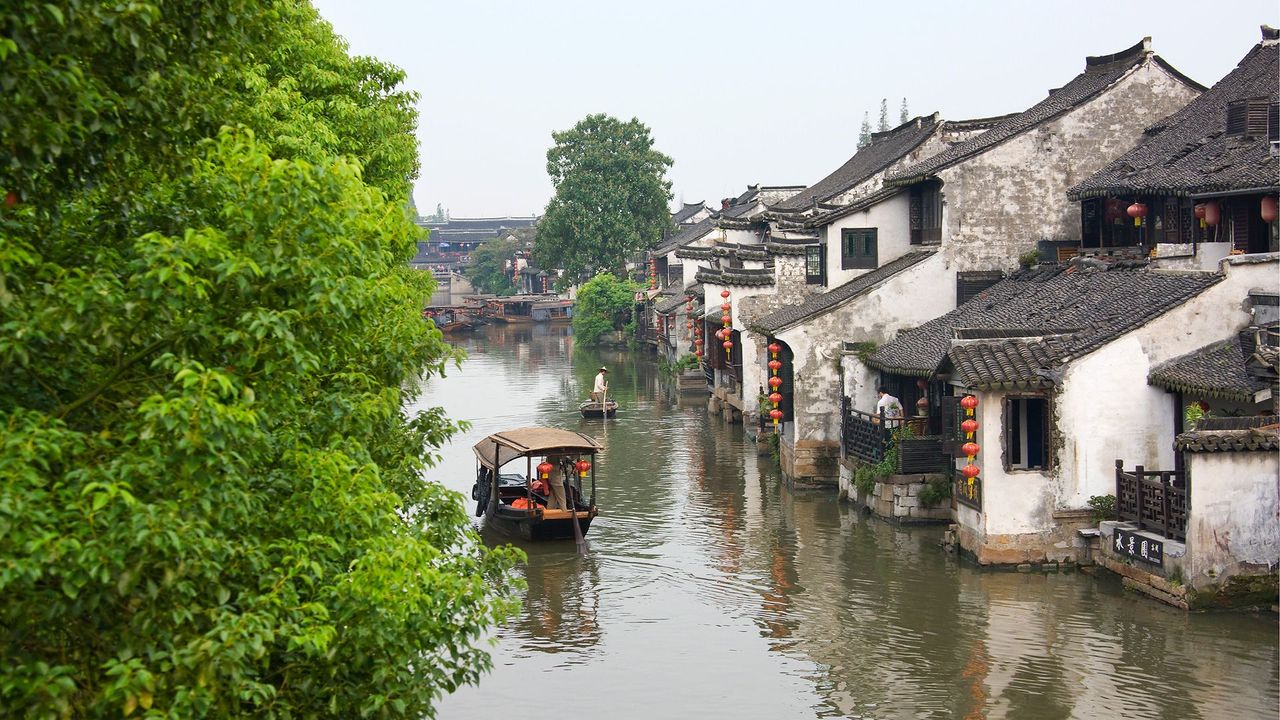
The Grand Canal of China, the longest artificial waterway in the world, joins together both northern and southern China. A combination of man-made canals built over many years by several different dynasties link the main rivers and cities along its route. The Grand Canal was originally developed for the transport of grain and other goods; however, today it continues to serve as an important route for transporting both crops and livestock. In addition, the Grand Canal is still utilized extensively for irrigation.
2. Karakum Canal, Turkmenistan
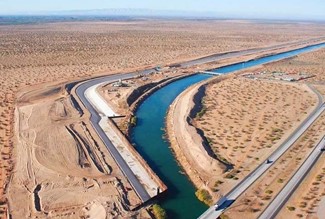
Flowing through Turkmenistan's arid and inhospitable Karakum Desert, the Karakum Canal is one of the largest irrigation canals in the world. Constructed to enable the irrigation of land and support the cultivation of crops, the canal transports water from Turkmenistan's Amu Darya River, which is essential for agricultural, industrial and urban development across vast areas of dry and desert terrain.
3. Main Outfall Drain (MOD), Pakistan
Pakistan's Main Outfall Drain (MOD) is a major drainage canal specifically designed to divert the excess saline water resulting from social and environmental activities away from agricultural areas of Pakistan to prevent waterlogging and soil salinization, which creates optimal farming conditions, increases crop productivity, and has a positive impact on the Sindhi farmers in southern Pakistan.
4. Irtysh-Karaganda Canal, Kazakhstan

The Irtysh-Karaganda Canal is an irrigation waterway built to convey fresh drinking water from the Irtysh River in eastern Uzbekistan to central Kazakhstan. The canal developed as a means of supporting drinking water supply, industrial development and agricultural irrigation in the vast arid plains surrounding the city of Karaganda will be very important to both the economic and environmental development of central Kazakhstan.
5. Suez Canal, Egypt

Connecting the Mediterranean with the Red Sea, the Suez Canal is one of the most significant shipping routes in the world. As a result of its status as an international shipping route, it has been crucial in facilitating trade between Europe and Asia.
Conclusion
As one of the largest manmade waterways on earth, it serves as the largest single point of maritime transportation. Having been constructed in 1869, the Suez Canal has been used by vessels of all sizes and types and is essential to global trade.






Comments
All Comments (0)
Join the conversation