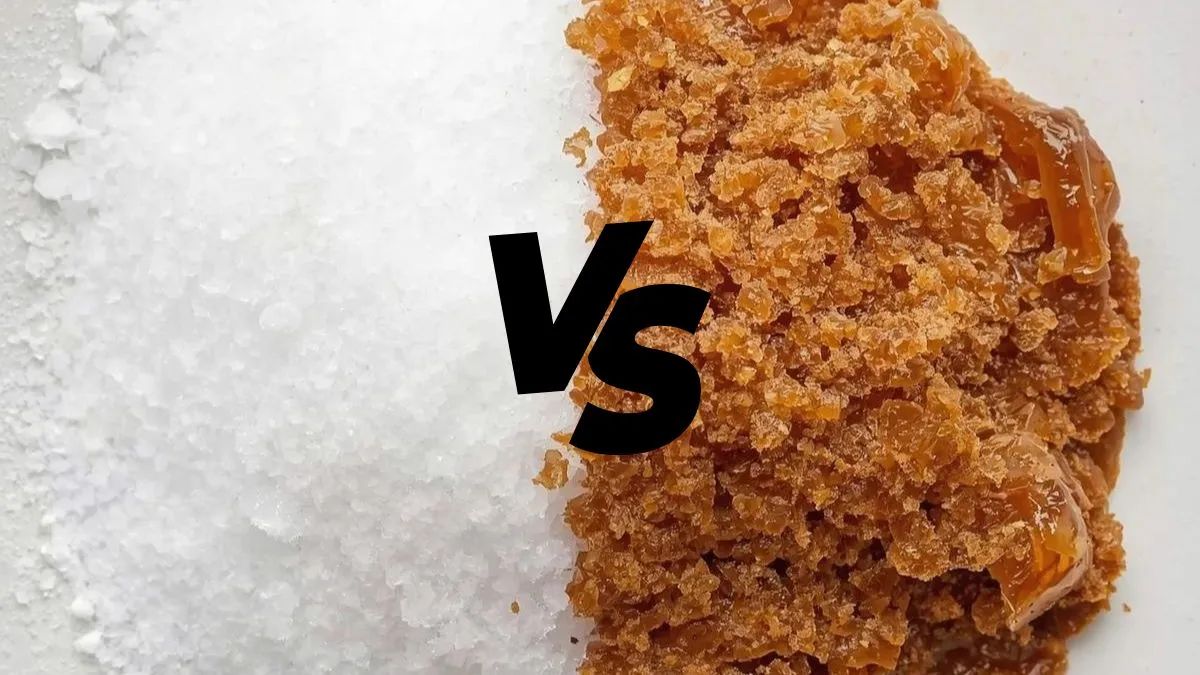
Jaggery vs Sugar: Sugar is one of the most popular sweeteners used worldwide, especially in India. Jaggery is another common sweetener. The two products are often confused because they both come from the same source, the sugarcane plant. However, although both originate from the same type of plants, their methods of production differ substantially, leading to significant differences in their nutritional makeup, taste, color, and health effects once consumed.
In addition to being cheap and easy to store for long periods of time, refined sugar is very popular because of its sweetness. However, jaggery has been used for thousands of years as an ancient type of sweetener and is often thought to be a healthier alternative to refined sugar.
During the last few years, many consumers have become increasingly health-conscious and are therefore educating themselves about the different forms of sweeteners available to them. In fact, jaggery vs. sugar has garnered a great deal of interest and attention from consumers who want to understand the differences between the two sweeteners.
Both jaggery and sugar can provide energy to the body; however, the energy derived from each will have different effects on the body.
Also Read: Lime vs Lemon: Check All the Differences Here!
Differences Between Jaggery and Sugar
Jaggery and sugar are both derived mainly from sugarcane juice, but they differ greatly in their processing and properties. Below are some of the major differences between jaggery and sugar.
1. Colour
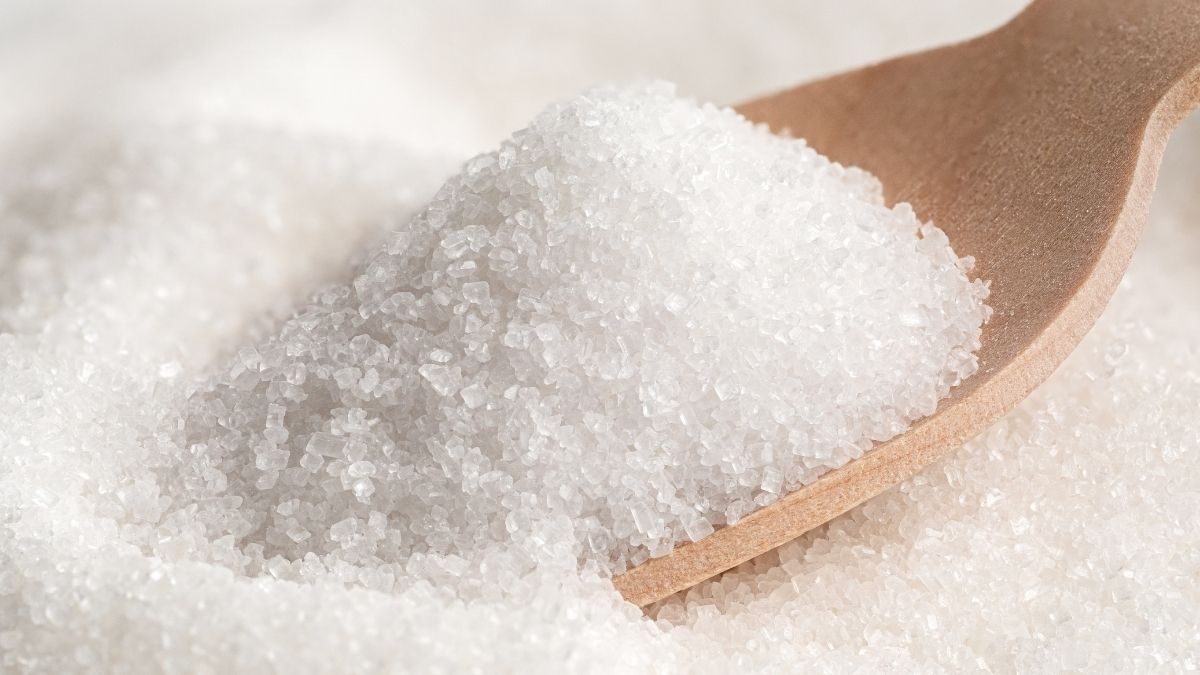
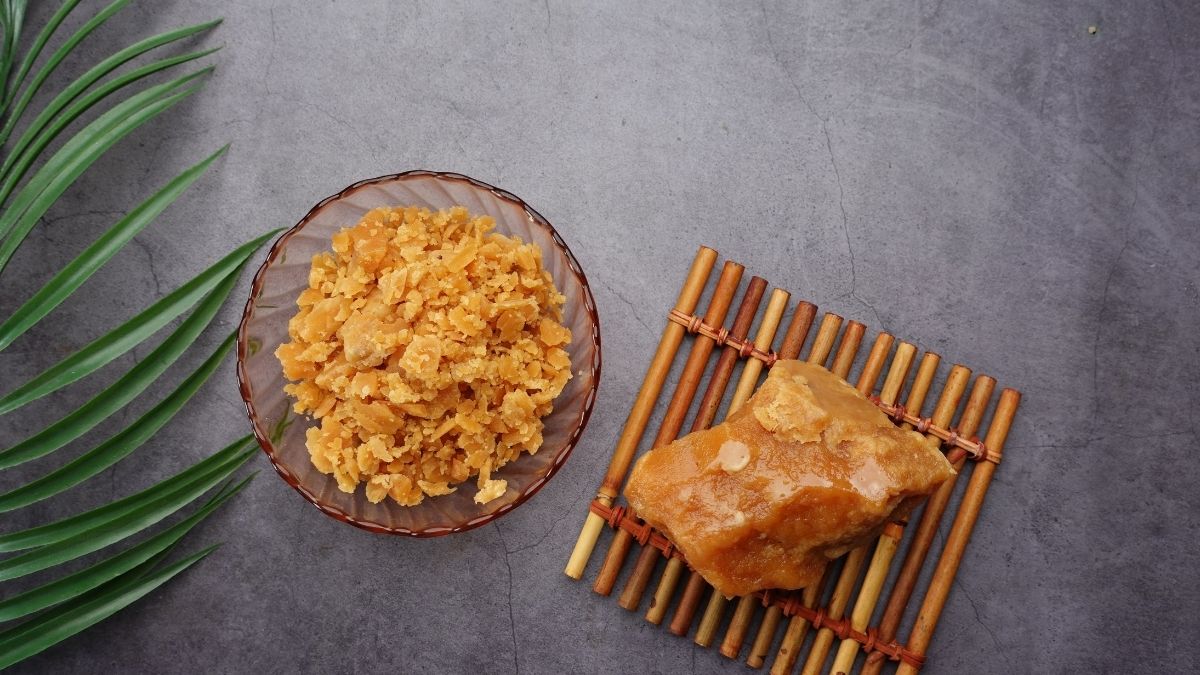
The best way to differentiate jaggery from sugar is colour; sugar has a bright white appearance because it has been heavily refined and bleached, while jaggery is typically a shade of yellowish-brown to dark brown; The colour of jaggery depends greatly on both the method of making it and what type of cane it comes from.
Trivia
Jaggery is referred to as 'gur' in India and has been used for centuries.
2. Processing Method
Sugar production involves extracting sugarcane juice, purifying it through refining, and using chemicals to remove all impurities from the juice. However, because of these processes, most of the natural nutrients are also removed when producing sugar.
To produce jaggery from sugarcane juice, the juice has to be boiled down to a syrup and then cooled enough to allow it to thicken into a solid. As it does not go through as many process steps as sugar does, there are still some minerals left in jaggery.
3. Taste and Texture
The sweetness of sugar is clean and crisp, while its texture is very fine.
Jaggery has many flavours, including caramel, molasses, toffee, etc. These flavours are much richer and more complex than those provided by sugar alone. It may be either solid or semi-solid (i.e. gummy) and can vary from crumbly to sticky depending on the quality of the product.
4. Nutritional Value
Although jaggery and sugar both supply calories as a source of energy, sugar only supplies calories without any significant nutritional value, while jaggery has minimal quantities of nutrients such as iron, potassium, calcium, and magnesium.
In addition to these trace minerals, jaggery is generally regarded as being better for you than white refined sugar because of its higher levels of essential nutrients.
5. Health Impact and Uses
Incidents of weight gain, diabetes, and dental problems have been associated with excessive sugar intake. In addition, many people believe that jaggery is helpful in digestion; therefore, it is frequently taken after meals.
Sugar is a common ingredient for candies, pastry products, and carbonated drinks, as well as many prepared and packaged foods. Similarly, jaggery serves as a popular ingredient in traditional sweets, dessert-type items, and warm beverages, especially during the winter months.
Final Thoughts
The function of jaggery and sugar has a lot in common, but they each serve unique roles within the body.
Sugar has been processed into its purest form (white), has no nutritional value other than providing your body with extra calories, and is not naturally occurring. Jaggery, on the other hand, is less refined than sugar, is darker in hue, and does contain trace amounts of vitamins and other minerals.
Recommended Reading:






Comments
All Comments (0)
Join the conversation