Which 5 States are Located on the Gulf Coast of the United States?
Learn everything about the Gulf Coast of the United States. Bordering the famous Gulf of Mexico, these five major US states offer massive economic value and rich cultural history. Dive into our complete list of states on the Gulf Coast.

The Gulf Coast of the United States is drawing massive international attention, especially from Indian expats, tech professionals, and students relocating to booming Gulf Coast cities. Frequently looked up online as the Gulf of America, this sprawling southern belt directly borders the warm waters of the Gulf of Mexico.
Recent demographic data reveals that over 60 million residents now live across these Coastal US states. This June 2026, these regions are making global headlines as the National Hurricane Center rolls out early-season flood alerts, spotlighting the intense climate patterns gripping these vulnerable Gulf Coast states.
Balancing environmental risks with massive economic clout in global energy and shipping, understanding the specific Gulf States in the USA, and which states on the Gulf Coast drive this region, has never been more relevant.
What are the Gulf States?
The term Gulf States is used to refer to the southern jurisdictions that have a direct coastline on the Gulf of Mexico. This area includes about 1,631 miles of continuous coastal shoreline and is the heart of the nation's energy industry, international shipping channels, and commercial fishing industries.
While many of us search for the Gulf of America, geographers and official maps exclusively recognize this body of water as the Gulf of Mexico. These coastal areas are famous for their warm climates, distinct southern cultures, and economically critical ports.
But they are also very susceptible to severe weather. NOAA watches the entire stretch closely because of its sensitive marine ecosystems and repeated thrashings by powerful Atlantic hurricanes.
List of States on the Gulf Coast of the United States
The southern border of the country relies heavily on a select group of U.S. states that manage these critical shorelines. Each state contributes a unique mix of industrial strength, environmental features, and major port cities that fuel the national economy.
The table below breaks down the official geographical and economic data for the five Gulf Coast states according to NOAA and federal commerce records:
| S.No. | Gulf Coast State | Direct Coastline Length | Key Gulf Coast Cities | Primary Economic Driver |
| 1 | 367 miles | Houston, Corpus Christi, Galveston | Energy production, oil refining, and international shipping | |
| 2 | 397 miles | New Orleans, Baton Rouge, Houma | Offshore drilling, maritime trade, and commercial fishing | |
| 3 | 44 miles | Gulfport, Biloxi, Pascagoula | Coastal tourism, seafood processing, and shipbuilding | |
| 4 | 53 miles | Mobile, Bayou La Batre, Dauphin Island | Cargo shipping, aerospace, and marine manufacturing | |
| 5 | 770 miles | Tampa, St. Petersburg, Fort Myers | Eco-tourism, international travel, and real estate |
1. Texas
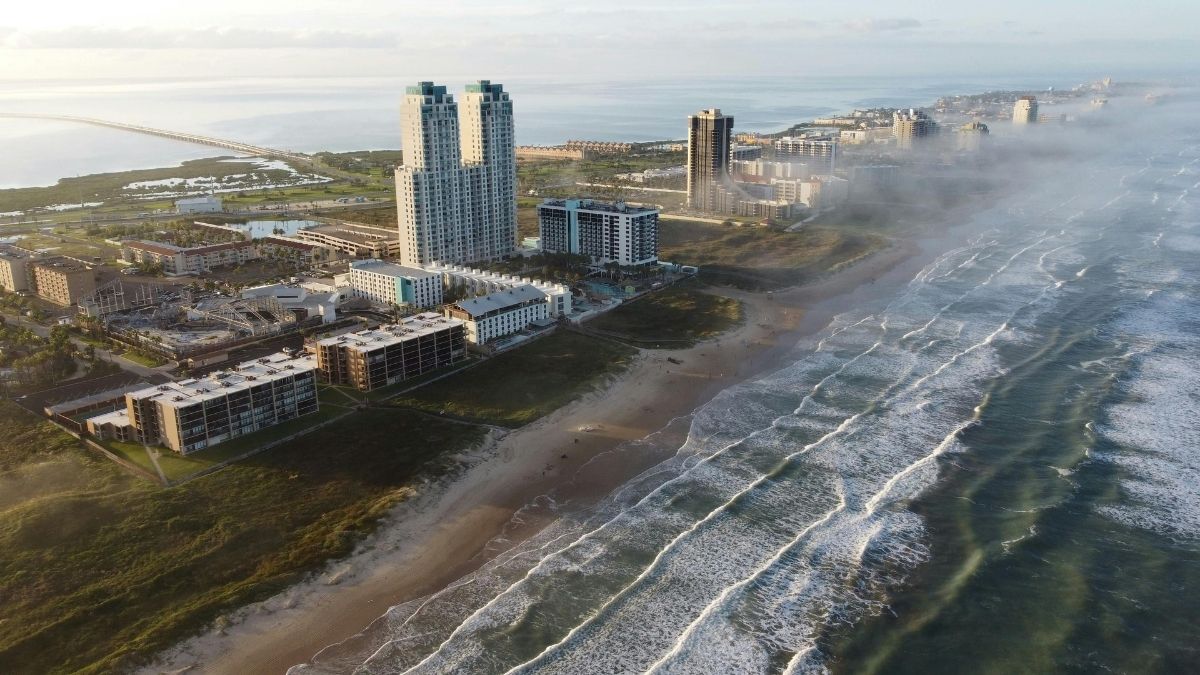
As the western anchor of the region, Texas features 367 miles of direct coastline. Recently, the state made headlines when the National Hurricane Center issued severe flash flood warnings for Houston and Corpus Christi due to an early-season tropical system.
Beyond weather crises, Texas A&M University researchers recently launched advanced geological models highlighting the state’s rapid land subsidence. This sinking effect, caused by decades of heavy groundwater and oil extraction, poses major structural challenges for the booming coastal cities of the USA.
2. Louisiana
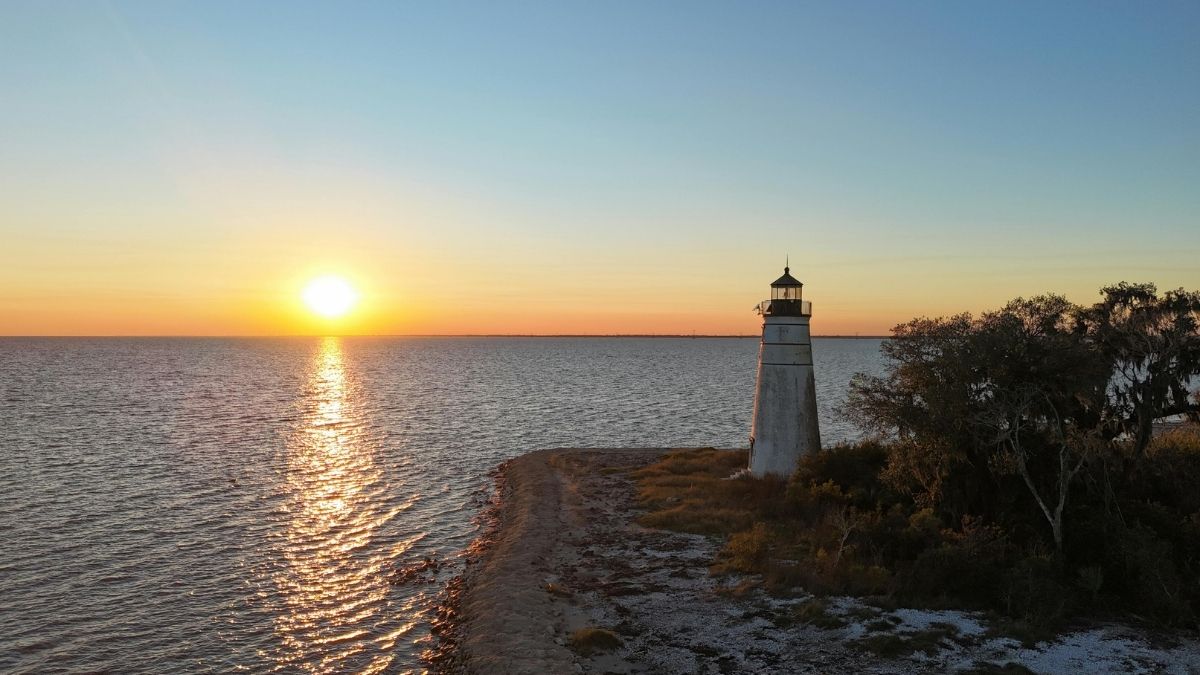
Geographically, Louisiana is special, with 7,721 miles of complex tidal shoreline, formed by its intricate bayous and wetlands. The state’s configuration is molded by the Mississippi River Delta, an important ecological area that controls billions of dollars in maritime trade.
But Louisiana faces serious ecological threats from coastal erosion. The recent Environmental studies, therefore, focused largely on the localized deposition of sediment and how it can be harnessed to fight rising sea levels and protect vulnerable fishing communities such as Empire-Venice.
3. Mississippi
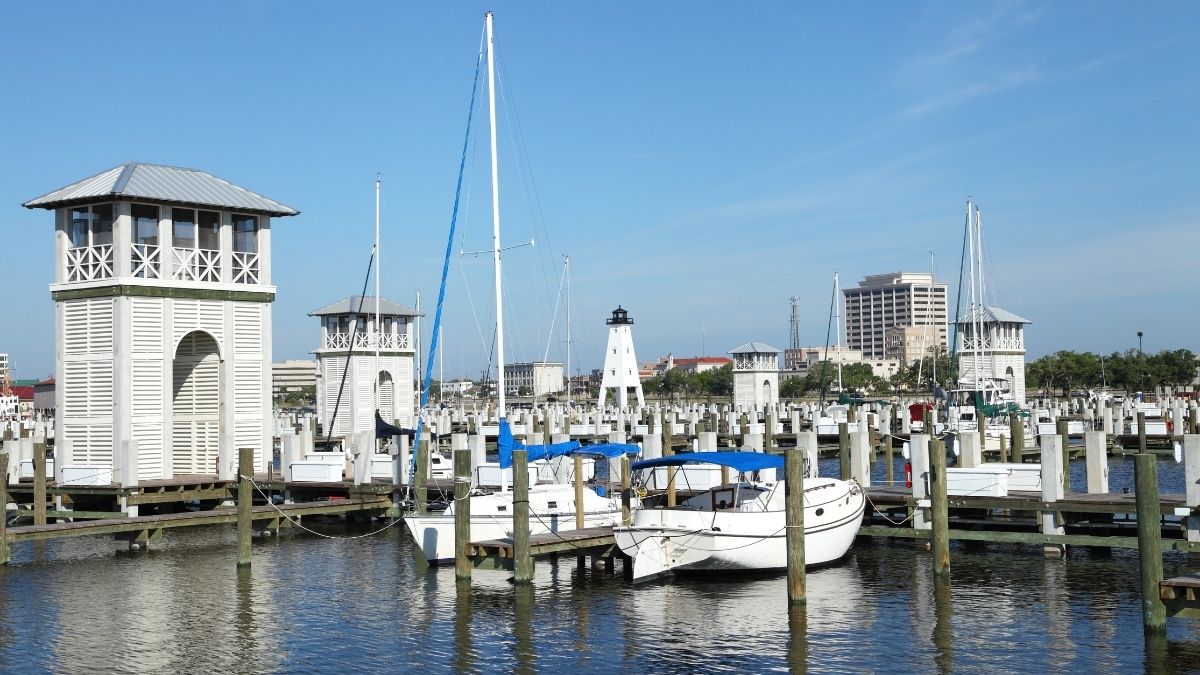
Despite having the shortest direct ocean frontage at just 44 miles, Mississippi’s tidal shoreline extends for 1,281 miles when accounting for its coastal bays and rivers. This Gulf Coast state’s economy relies heavily on seafood processing and tourism in major coastal hubs like Biloxi and Gulfport.
Climatically, Mississippi remains highly exposed to extreme weather; recent storm clusters tracking across the deep south brought intense, prolonged rainfall that tested the state's newly upgraded urban drainage infrastructure.
4. Alabama
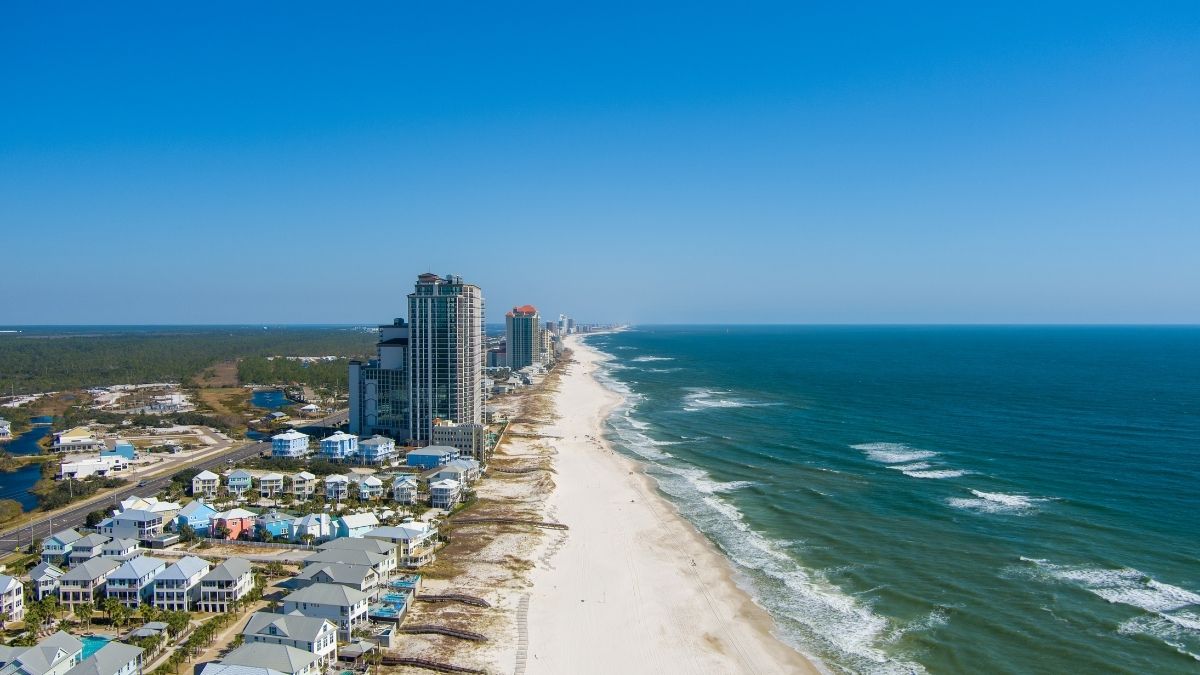
Alabama shares 53 miles of direct coastline with the Gulf of Mexico, centered around the historic and economically vital port city of Mobile. According to the National Marine Fisheries Service (NMFS), Alabama’s coastal towns, such as Bayou La Batre, serve as critical hubs for the domestic seafood industry.
Ecologically, the area where the Mobile River empties into the ocean creates a highly biodiverse estuary system, which local conservation programs are working aggressively to protect from industrial runoff.
5. Florida
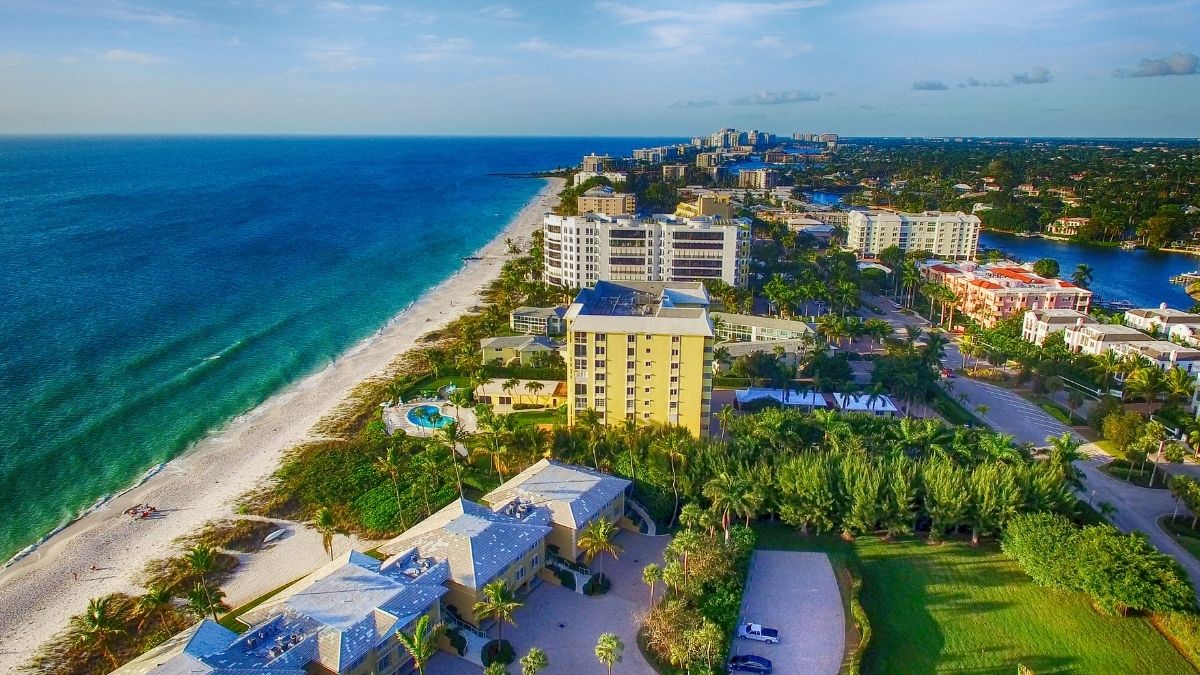
Florida represents the easternmost boundary and possesses the longest direct Gulf coastline at 770 miles. The state’s western coast is an ecological wonderland, with the shallow waters of the continental shelf, and is world-renowned for its white-sand beaches and enormous tourism revenues.
In early 2026, the Gulf Research Program announced new multi-million dollar funding packages to protect this environment. These investments are designed to improve community resilience to extreme marine heatwaves and sea level change in West Florida.
Tracking the five states bordering the southern coastline is crucial for understanding American economics and climate shifts. As global weather patterns grow more volatile, staying updated on these regions ensures international audiences remain informed about critical trade, energy, and environmental developments

Harshita Singh is an education and general knowledge journalist with over 5 years of experience in educational writing. Specializing in US affairs and GK, Harshita has a track record of breaking down intricate geopolitical and historical subjects into clear, digestible insights for learners. Her strong background in text analysis, coupled with a Bachelor of Arts (Hons) in English from the University of Delhi, helps her produce authoritative, thoroughly researched content that empowers readers to engage confidently with global current affairs. For inquiries or academic insights, you can reach out to her directly at harshita.singh@jagrannewmedia.com.