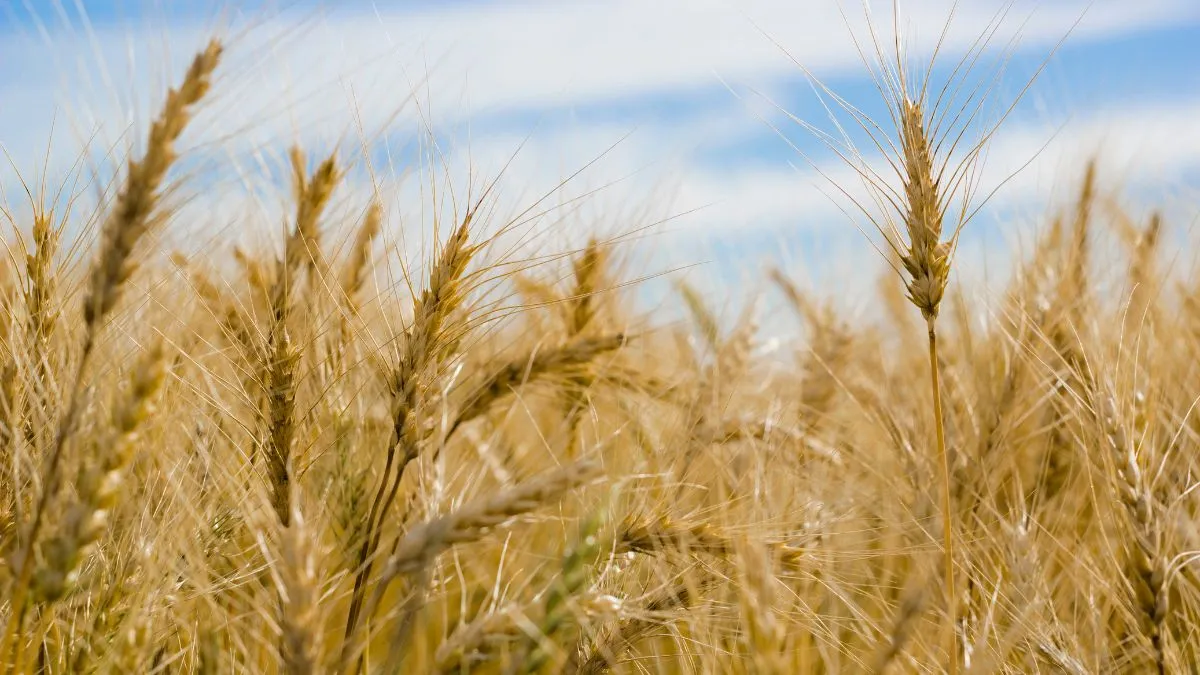
Backbone of the Indian Economy: The Agriculture Industry is known as the Backbone of the Indian Economy because it supports employment, food security, industrial growth, exports, and rural development. Despite modernisation and industrial expansion, agriculture remains the foundation of India’s economic and social structure.
Why Agriculture Is Called the Backbone of the Indian Economy?
Agriculture forms the base of India’s economy by sustaining livelihoods and ensuring the continuous supply of food and raw materials. A large section of the population depends on farming and allied activities, making agriculture essential for economic stability and inclusive growth.
Largest Employer in the Country
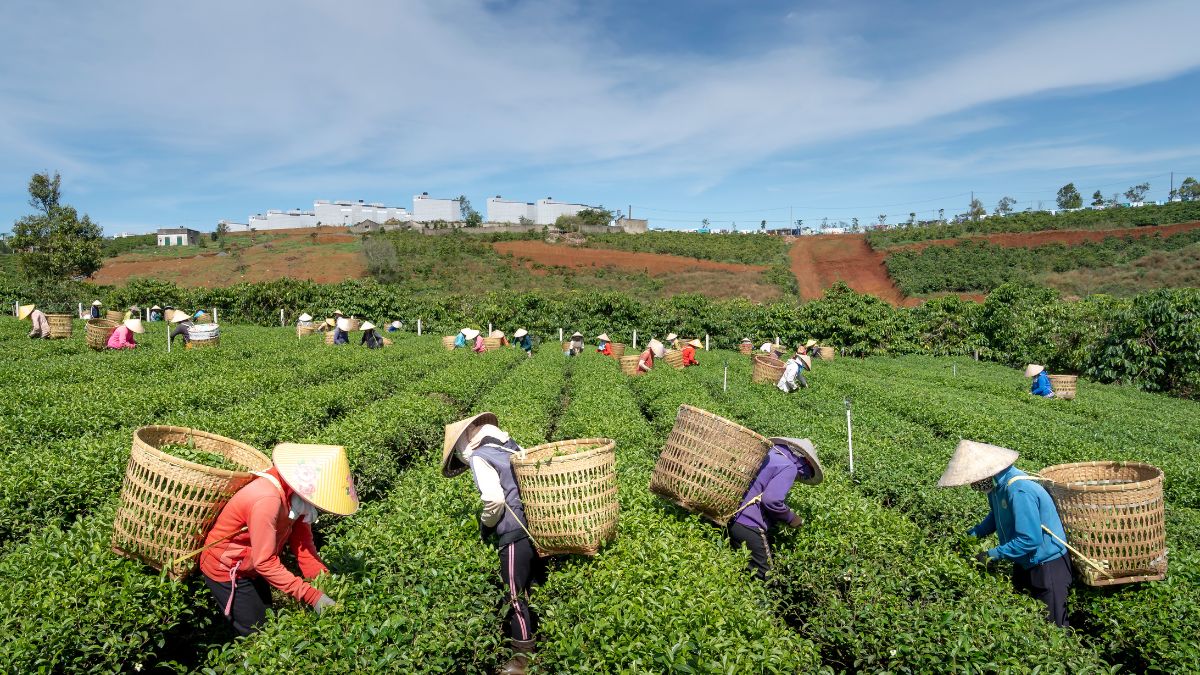
Agriculture is the largest employer in India, providing livelihoods to millions of farmers, agricultural laborers, and rural households. Even today, a significant share of India’s workforce is directly or indirectly engaged in agriculture, dairy, fisheries, and forestry.
Contribution of Agriculture to India’s GDP
Agriculture contributes significantly to India’s Gross Domestic Product. Although its percentage share has declined due to growth in other sectors, it still plays a crucial role in supporting economic growth and acts as a stabilising force during economic downturns.
Role of Agriculture in Food Security
Agriculture ensures food security by producing staple crops like rice, wheat, pulses, oilseeds, fruits, and vegetables. It supports national food programs and helps maintain affordable food prices for the population.
Supplier of Raw Materials to Industries
Many major industries depend on agriculture for raw materials. The textile industry relies on cotton and jute, the sugar industry depends on sugarcane, and food processing industries use agricultural produce, linking farming directly with industrial development.
Importance of Agriculture in Rural Economy
Agriculture is the backbone of the rural economy. It supports village livelihoods, improves rural infrastructure, boosts income levels, and reduces rural poverty. Growth in agriculture directly improves the standard of living in rural areas.
Role in Agricultural Exports and Foreign Exchange
India exports a wide range of agricultural products including rice, spices, tea, coffee, fruits, and marine products. These exports contribute to foreign exchange earnings and strengthen India’s global trade position.
Interesting Facts About Agriculture in India
Backbone of Rural Employment
Agriculture supports not only farmers but also millions of workers in allied sectors like dairy, fisheries, poultry, horticulture, and sericulture. A large portion of rural households depend on agriculture as their primary or secondary source of income, making it the main pillar of rural employment in India.
India Among Top Global Producers
India ranks among the world’s top producers of rice, wheat, sugarcane, cotton, milk, pulses, and spices. The country’s diverse climate allows the cultivation of a wide variety of crops across different regions, strengthening India’s position in global agricultural production.
Agriculture Supports the Food Processing Industry
The food processing industry relies heavily on agricultural output for raw materials such as grains, fruits, vegetables, milk, and meat. This sector adds value to farm produce, generates employment, reduces post-harvest losses, and increases farmers’ income.
Climate-Resilient Crop Shift
India is promoting climate-resilient crops like millets, pulses, and oilseeds to deal with water scarcity and climate change. Sustainable farming practices such as organic farming, crop diversification, and natural farming are helping improve soil health and long-term productivity.
Stability During Economic Slowdowns
Agriculture often remains more stable than other sectors during economic crises and global slowdowns. When industries and services face uncertainty, agriculture continues to provide employment, food supply, and economic support, helping balance the overall economy.
Read more: Which Is the Largest Government Bank in India?
The Agriculture Industry is known as the backbone of the Indian economy because it is the largest employer, ensures food security, supplies raw materials to industries, supports exports and drives rural development. Keep reading for more such topics.



![Largest Economies in the World [Updated December 2025]](https://img.jagranjosh.com/images/2025/07/09/article/image/world's-largest-economies-1752059293045.jpg)


Comments
All Comments (0)
Join the conversation