The ‘Zero Bill’ policy adopted in Punjab is not only a supportive measure, but rather a progressive change in the power sector. With the 300 units of free electricity having eased the burden on customers, the government is also working in conjunction to provide a strong base for energy autonomy.
Under this, domestic consumers are saving thousands of rupees per month. This has improved their spending power and contributed to the development of the local economy. Additionally, farmers are benefiting from constant power supply, which has improved the stability of agricultural production.
The acquisition of the Goindwal Thermal Power Plant has been one of the major steps. The plant has a 540-megawatt output and is now government-controlled, hence no longer relying on private firms to generate power. Naming it Sri Guru Amar Dass Ji Power Plant indicates a stronger link to society and culture.
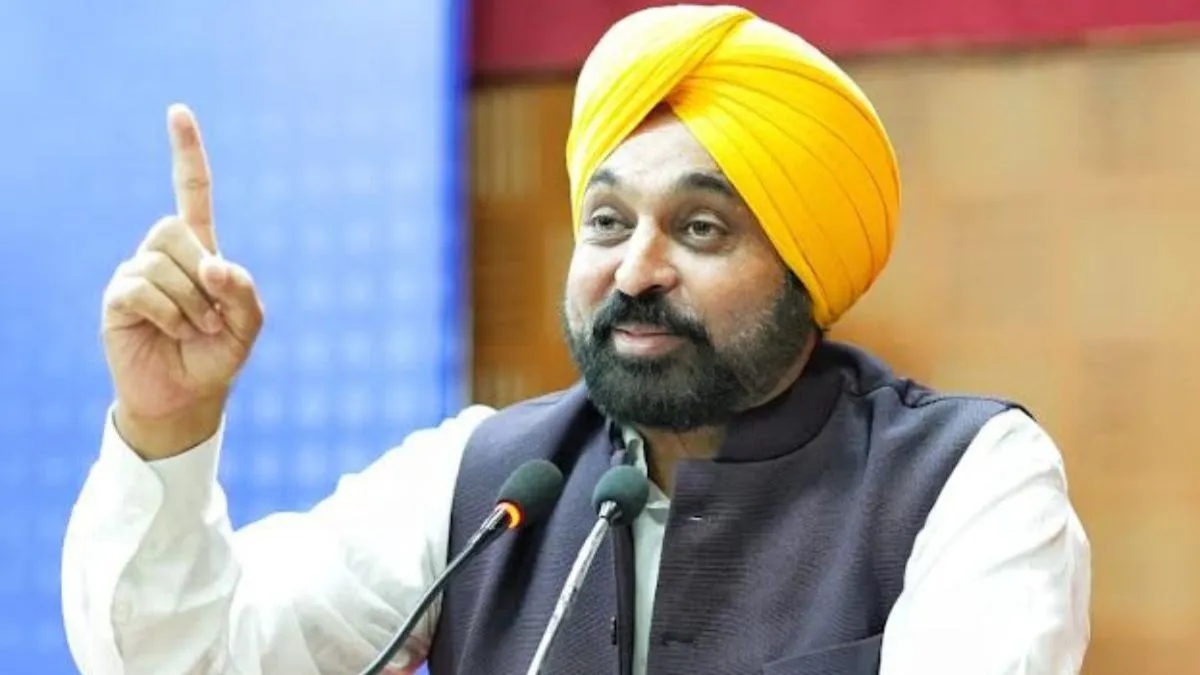
The agenda of Chief Minister Bhagwant Singh Mann is quite obvious—a sustainable and affordable energy source which has public interest as its core. Distribution and control of power would form an integral part of it as free electricity has already been made inclusive.
Today, Punjab is not only providing relief to its people but is also preparing a modern, balanced, and self-reliant energy model for the years ahead. The ‘Zero Bill’ reform has become the foundation of this transformation.




Comments
All Comments (0)
Join the conversation