Show Key Points
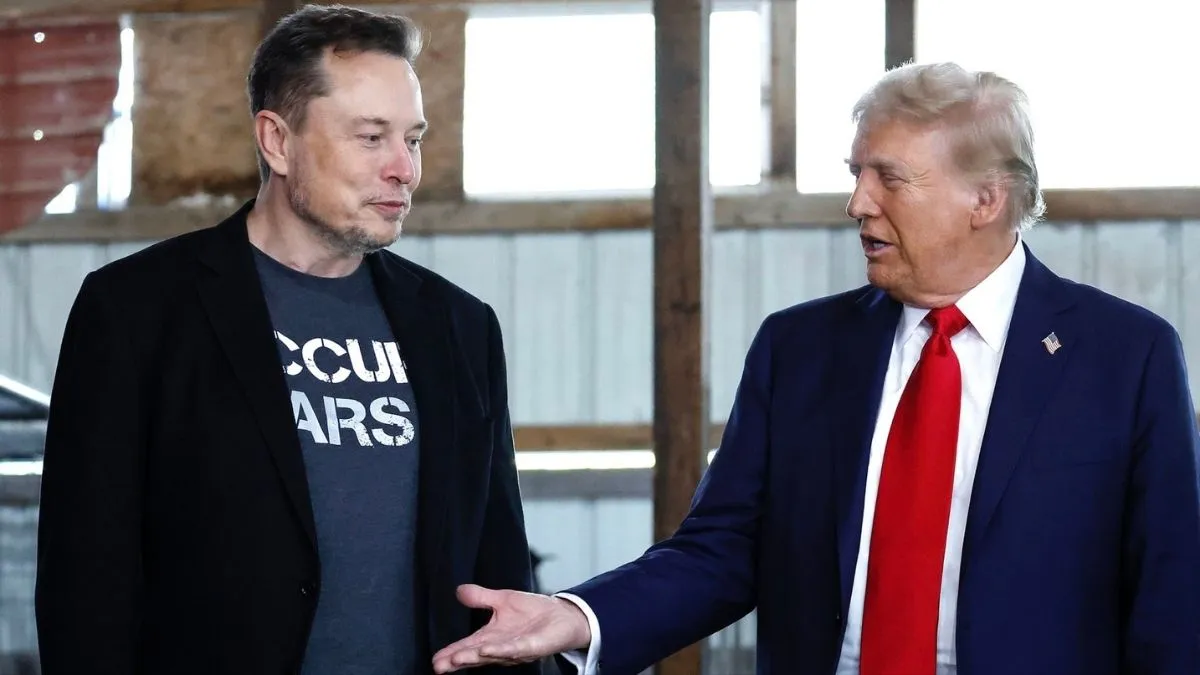
The ongoing federal funding stalemate has reached a dramatic flashpoint as the White House officially declined a high-profile intervention from billionaire Elon Musk. With the Department of Homeland Security (DHS) shutdown now stretching into its second month, Elon Musk took to X (formerly Twitter) to offer a staggering $250 million to cover the unpaid salaries of TSA agents nationwide.
Despite President Trump initially signaling support for the move, White House spokeswoman Abigail Jackson confirmed on Wednesday that the administration cannot legally accept the funds.
The rejection comes at a critical time for U.S. aviation, as record-breaking security wait times at major hubs like LGA and MCO continue to frustrate millions of spring break travelers.
Why did the White House reject Elon Musk’s $250M proposal?
There were many legal and moral reasons why the administration chose not to accept the private funding. The offer was framed as a patriotic gesture to keep airports running, but federal lawyers quickly raised concerns about Musk's many business ties to the government.
-
Conflict of Interest: Musk’s companies, including SpaceX and Tesla, hold billions of dollars in active federal contracts. Directing private funds to a federal agency like the TSA could be viewed as an attempt to exert undue influence.
-
Legal Prohibitions: Under the Antideficiency Act, the U.S. government is generally barred from accepting voluntary services or private funding to pay federal employees directly without specific congressional authorization.
-
DOGE Oversight: Paradoxically, Musk’s role in the Department of Government Efficiency (DOGE) has led to increased scrutiny over his interactions with federal payroll systems, with critics warning of government overreach.
Also Read - Trump to Feature on Official Gold Coin Celebrating 250 Years of US Independence on July 4
Current impact of the DHS shutdown on U.S. airports
As the funding impasse continues, the "sick-out" rate among TSA screeners has spiked to nearly 12% in some regions. The following table illustrates the current operational status at major U.S. hubs as of March 26, 2026:
| Airport Code | Average Security Wait Time | Staffing Levels |
| LGA (New York) | 115 Minutes | 65% Capacity |
| ATL (Atlanta) | 95 Minutes | 72% Capacity |
| ORD (Chicago) | 80 Minutes | 78% Capacity |
| MCO (Orlando) | 130 Minutes | 60% Capacity |
"We greatly appreciate Elon's generous offer, but the fastest way to ensure TSA employees get paid is for Congress to pass a clean funding bill," stated White House spokeswoman Abigail Jackson.
Meanwhile, the administration is reportedly considering the deployment of ICE agents to supplement airport security, a move that has drawn sharp criticism from TSA union leadership.
Check Out - Trump Reinstalls Christopher Columbus Statue at White House to Honor ‘Original American Hero’
The refusal of Musk’s financial lifeline leaves the TSA in a precarious position as agents prepare to miss their second full paycheck. With negotiations on Capitol Hill currently stalled over immigration enforcement clauses, the burden remains on thousands of essential workers who continue to secure the nation's skies without guaranteed compensation.



Comments
All Comments (0)
Join the conversation