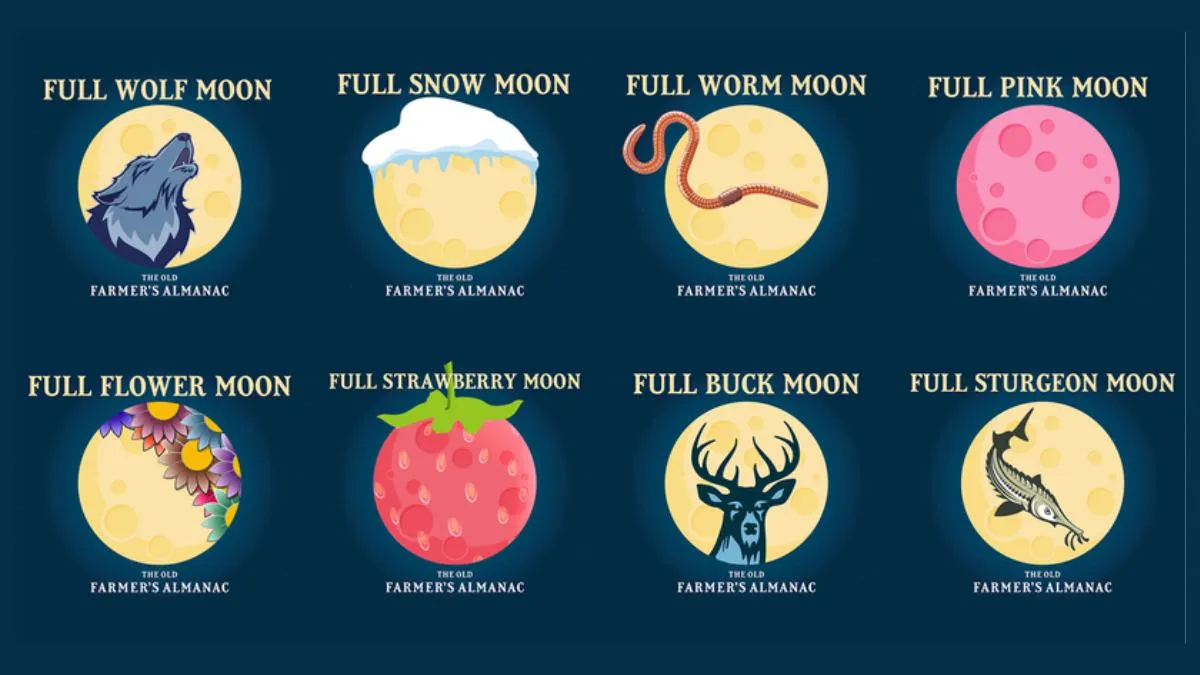
In 2026 there will be 13 full moons which make for an amazing astronomical experience for many people as well as two supermoons and a unique blue moon.
Each month you will have a completely different appearance of the full moon from the cold, somewhat bluish light emitted by the Wolf Moon in January to the warmer springtime light from the Cold Moon in December.
Many cultures have their own versions of full moons and have celebrated them as part of their heritage. Observing these shining lights up above on clear nights takes your breath away, as well as gives you an opportunity to be outside in nature and become connected to our universe.
Whether you’re looking at these full moons from beautiful national parks or from a peaceful countryside, the full moons of 2026 will be memorable for anyone who looks up at them!
Check Out: Full Moon January 2026: When to See 'Wolf Supermoon' in the U.S.?
2026 Full Moon List
Here is the complete list of full moons in 2026, along with the dates and best U.S. States to watch it in based on the data by NASA:
| Rank | Date (2026) | Full Moon Name | Best U.S. State to Watch |
| 1 | Jan 3 | Wolf Moon | Montana |
| 2 | Feb 1 | Snow Moon | Maine |
| 3 | Mar 3 | Worm Moon | Oregon |
| 4 | Apr 1-2 | Pink Moon | California |
| 5 | May 1 | Flower Moon | Washington |
| 6 | May 31 | Blue Moon | Hawaii |
| 7 | Jun 29-30 | Strawberry Moon | Arizona |
| 8 | Jul 29 | Buck Moon | Colorado |
| 9 | Aug 28 | Sturgeon Moon | Minnesota |
| 10 | Sep 26 | Harvest Moon | North Dakota |
| 11 | Oct 26 | Hunter’s Moon | New Hampshire |
| 12 | Nov 24 | Beaver Moon | Alaska |
| 13 | Dec 23-24 | Cold Moon | Vermont |
1. Wolf Moon (January 3, 2026)
The first full moon of the year, known as the Wolf Moon, is associated with howling wolves in the dead of winter.
The Wolf Moon often appears brighter, larger and more spectacular than a normal full moon, it will be classified as a supermoon.
The Wolf Moon symbolises new beginnings and is very popular with those who love to photograph winter nightscapes.
2. Snow Moon (February 1, 2026)

As a result of the heavy snowfall that is often seen during the month of February, the Snow Moon is named after it.
It bathes the long winter nights in light, providing photographers with ample opportunity to capture beautiful, picturesque scenes.
In addition to being a beautiful full moon, the Snow Moon has deep symbolic meaning for many cultures, as it has historically been viewed as a time to reflect on the past and to make plans for the future as winter slowly comes to an end.
Check Out: Moon Phase Today: Pleiades Full Moon Lights Up New Year’s Eve Night
3. Worm Moon (March 3, 2026)
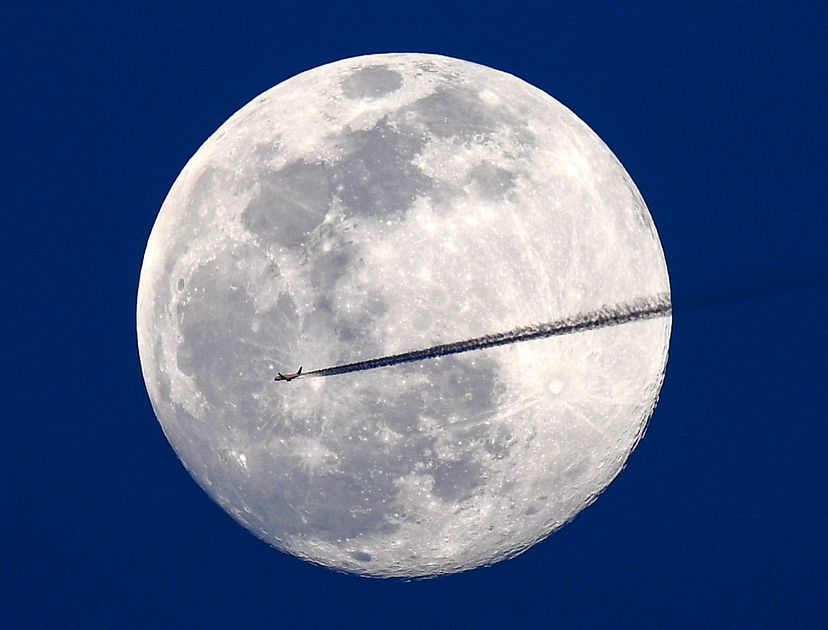
The Worm Moon signifies the arrival of spring. Its name denotes the time of the year that earthworms begin to emerge from the ground.
The Worm Moon will be particularly spectacular in the year 2026, as it coincides with a total lunar eclipse.
The Worm Moon is also symbolic of renewal and growth and of all of the things that nature awakens from the long, cold winter months.
4. Pink Moon (April 1 - April 2, 2026)

The Pink Moon is one of the many full moons that occur at the beginning of spring.
It is named for the pink wildflower, in particular phlox, that blooms during this time of year.
Its pale pink color is associated with the renewal of life and springtime growth.
The Pink Moon is an excellent time for photograhers and outdoor enthusiasts to celebrate the beauty of spring.
5. Flower Moon (May 1, 2026)

The Flower Moon, as the name implies, celebrates the blooming of flowers in late spring.
The Flower Moon symbolises fertility and abundance, both physically and spiritually.
In many farming communities, The Flower Moon is used as a guide for planting and harvesting. It also represents an opportunity to enjoy and appreciate the beauty of nature.
Conclusion
Many beautiful Moon Events are scheduled for the Year 2026. Photographers, star Gazers and nature lovers will all have many chances to connect with the night sky's magnificence during these events through photographing and enjoying the very rare "Blue Moon," as well as other forthcoming Super Moons!
Must Read: List of Top 7 Largest Moons in Our Solar System

-1767783778649.jpg "Largest Cities in Arkansas by Area")


-1767878390792.jpg)

Comments
All Comments (0)
Join the conversation