Show Key Points
In a breakthrough that has left the global scientific community in awe, a massive lost city dating back over 3,400 years has fully emerged from the sands of Egypt and the receding waters of the Tigris.
Known officially as The Rise of Aten, this urban marvel was founded by one of history’s most powerful rulers, Pharaoh Amenhotep III. While traditional archaeology often relies on painstaking digging, nature’s recent shifts have accelerated the reveal of these Golden Cities.
From the perfectly preserved mud-brick walls in Luxor to the cuneiform-rich ruins of Zakhiku in Iraq, these sites are not just piles of stone; they are time capsules providing the first humanised look at the 18th Dynasty’s daily life, industrial prowess, and sudden religious upheavals.
What Makes the Lost Golden City of Luxor so Significant?
Often referred to by experts as the Egyptian Pompeii, the discovery by Dr Zahi Hawass in late 2021 has reached a new peak of interest in 2024-2025 as secondary excavation layers are analysed. Unlike the Valley of the Kings, which focused on the dead, this city focuses on the living.
-
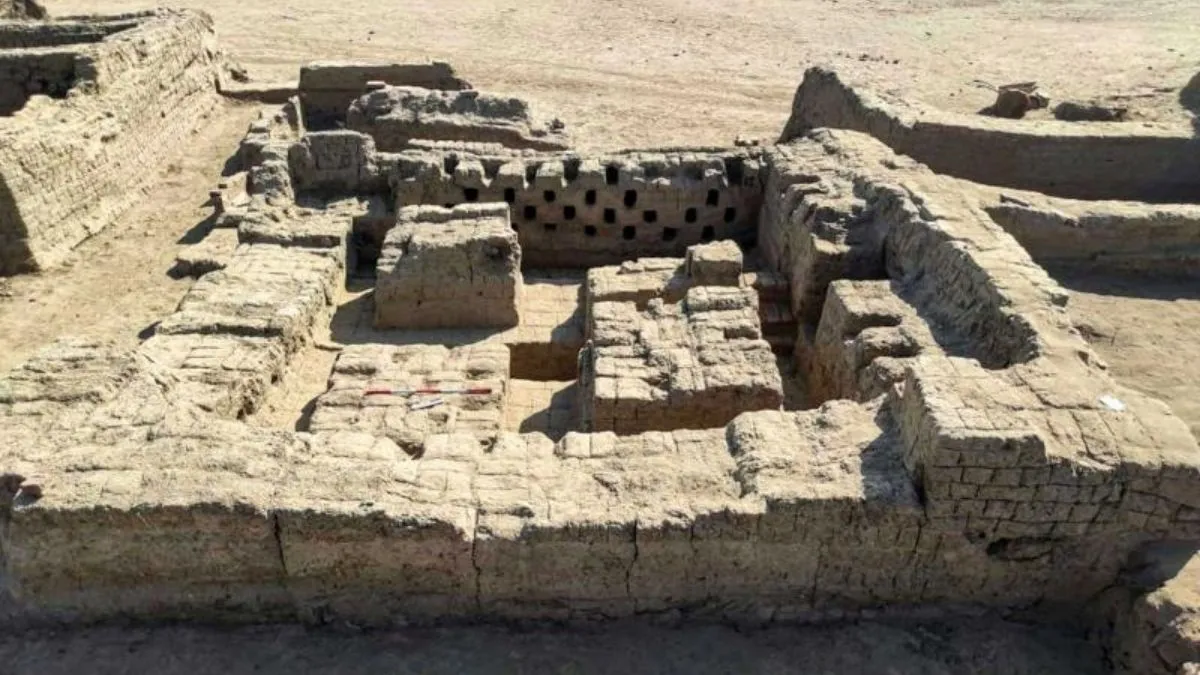
Pristine Preservation: The walls made of mud bricks are almost 10 feet high, and the rooms still have everyday items like tools, ovens, pottery, and spinning wheels, as if the people who lived there had just left.
-
Industrial Powerhouse: The site includes a massive bakery and a specialised workshop for glass and metal production, indicating a highly organised royal economy.
-
The Zigzag Wall: A rare architectural feature found at the site; a single entry point served as a security measure, controlling the flow of people into residential and administrative quarters.
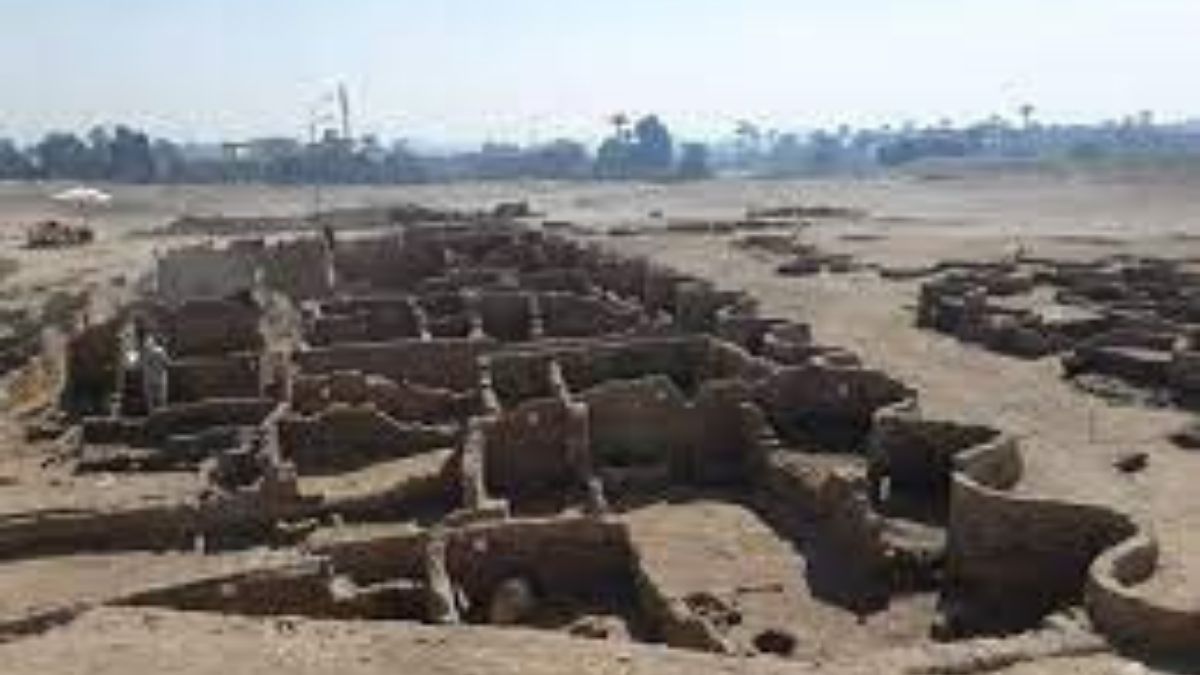
The Lost Golden City, Courtesy - sis.gov.eg
How did Climate Change Reveal the Lost City of Zakhiku?
While Egypt’s find was hidden by sand, Iraq’s Bronze Age mystery, Zakhiku, re-emerged due to extreme drought conditions. This Mittani Empire hub was submerged for decades under the Mosul reservoir until record-low water levels brought it back to the surface.
| Feature | Details of the Iraqi Discovery |
| Empire | Mittani Empire (approx. 1550-1350 BC) |
| Key Structures | Massive fortifications, multi-story storage buildings, and a palace. |
| Rare Artifacts | Over 100 cuneiform tablets found in ceramic vessels, surviving decades underwater. |
| Survival Factor | A catastrophic earthquake in 1350 BC caused walls to collapse, sealing the interior from water damage. |
Also Read - Venus and Saturn to Pair Tonight: How to See the Rare Planetary Conjunction 2026
Why was the City Abandoned by the Heretic Pharaoh?
One of the greatest mysteries these sites hope to solve is the sudden move by Akhenaten and Queen Nefertiti. Evidence found in the lost city suggests that while the city was a thriving administrative centre under Amenhotep III, it was abruptly partially abandoned when his son moved the capital to Amarna.
"The discovery of this lost city is the second most important archaeological find since the tomb of Tutankhamun," states Betsy Bryan, Professor of Egyptology at Johns Hopkins University. "It provides a rare glimpse into the life of the Ancient Egyptians at the time when the empire was at its wealthiest."
Check Out - Massive Hidden Ocean Found 400 Miles Underground Could Be Earth’s Largest 6th Ocean Reservoir
As the winds in the desert change and the water levels rise and fall, archaeologists are racing against time to record these sites before the elements take them back. These findings show that archaeology's Golden Age is far from over. The lost city connects the myths of the past with the facts of the present. These sites continue to rewrite our understanding of governance, trade, and family life in the ancient world.



Comments
All Comments (0)
Join the conversation