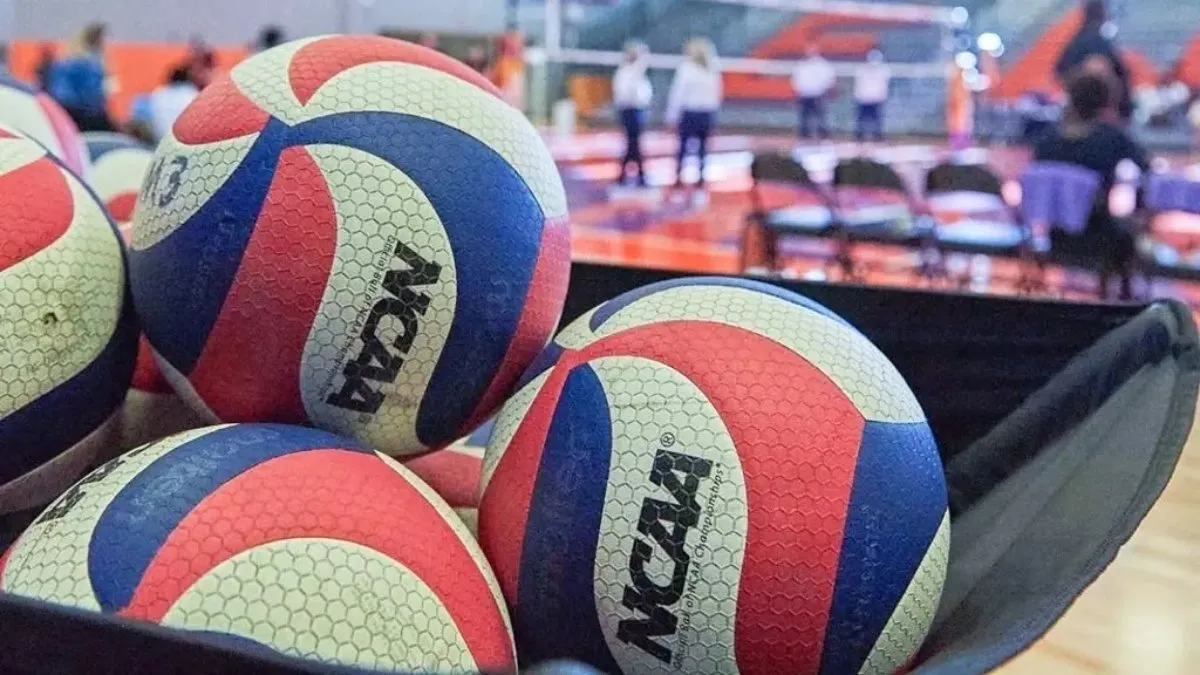
NCAA Volleyball is collegiate-level volleyball governed by the National Collegiate Athletic Association (NCAA) in the United States. It includes men’s and women’s competitions across universities, with the NCAA overseeing eligibility rules, fair play, and national championships. Women’s NCAA volleyball is more prominent, with greater participation and a larger following nationwide.
How is NCAA Volleyball Structured?

NCAA volleyball is divided into three competitive divisions, based on school size, funding, and athletic scholarships:
-
NCAA Division I: The highest level of competition, featuring top-ranked universities and future professional players
-
NCAA Division II: Competitive programmes with fewer scholarships
-
NCAA Division III: Focuses more on academics, with no athletic scholarships
Each division conducts its own regular season and championship tournament.
NCAA Women’s Volleyball vs Men’s Volleyball
While both are governed by the NCAA, there are some key differences:
-
Women’s NCAA Volleyball is played in the autumn and is one of the most popular women’s college sports in the US
-
Men’s NCAA Volleyball is played mainly in the spring and has fewer participating schools
Women’s volleyball uses a best-of-five sets format, while men’s volleyball often features faster play and higher net height.
Also Read: Winter Olympics 2026: Check Dates, Host Cities, Sports, Tickets & Schedule!
NCAA Volleyball Season and Championship
The NCAA volleyball season typically begins in late August and runs through December, featuring months of competitive action across conferences nationwide. Teams first play non-conference matches to build rankings before entering their conference schedules, which heavily influence postseason qualification.
Key Stages of the NCAA Volleyball Season
-
Late August–September: Non-conference matches and early tournaments
-
September–November: Conference play and league championships
-
Late November: Selection of teams for the NCAA Tournament
-
December: NCAA Tournament and Final Four
At the end of the regular season, teams qualify for the NCAA Volleyball Championship either by winning their conference or through at-large bids awarded to high-performing programmes.
NCAA Volleyball Championship Structure
The championship follows a single-elimination format, meaning one loss ends a team’s title hopes.
| Stage | Description |
| First & Second Rounds | Opening knockout matches hosted by selected universities |
| Regional Rounds | Top teams compete to reach the Final Four |
| Final Four | Four remaining teams battle for the title |
| National Final | Championship match to crown the winner |
Reaching the Final Four is a major achievement, while winning the NCAA Volleyball Championship is considered one of the highest honours in college volleyball.
Why NCAA Volleyball is Important?
NCAA volleyball plays a crucial role in:
-
Developing elite athletes who go on to play professionally or internationally
-
Promoting women’s sports, particularly in the US
-
Providing scholarships and educational opportunities to student-athletes
Many Olympic and professional volleyball players began their careers in NCAA programmes.
What are Popular NCAA Volleyball Programmes?
Some universities are especially well known for volleyball excellence, including:
-
University of Nebraska
-
Stanford University
-
University of Texas
-
Penn State University
These programmes regularly attract top recruits and dominate national rankings.
Related: NCAA Women’s Volleyball Championships 2025: Check Final-Four Preview & Schedule!
Therefore, NCAA volleyball is more than just a college sport as it’s a pathway to professional careers, international competition, and athletic excellence. With its structured divisions, national championships, and passionate fanbase, it remains a cornerstone of volleyball development in the United States.
Whether you are a sports fan, a student-athlete, or simply curious, understanding NCAA volleyball offers insight into one of America’s most dynamic collegiate sports systems.






Comments
All Comments (0)
Join the conversation