Key Points
- Based on Samuel Wilson from the War of 1812
- Officially recognised by Congress in 1961
- Symbolises the U.S. government, not a real authority
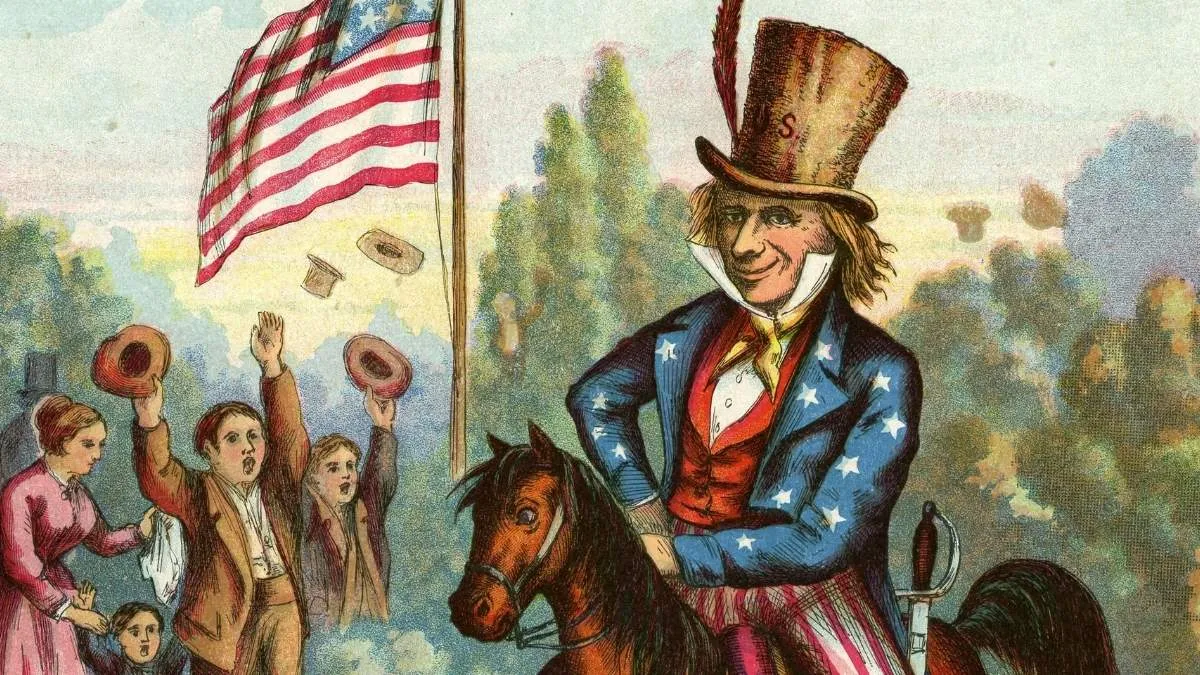
Uncle Sam is one of the most recognisable figures linked to the United States. From posters to cartoons, his image has appeared for over two centuries. But many people still ask: Is Uncle Sam a real person? Is he the U.S. government? And why does he point and say “I want you”?
In this article, learn how Uncle Sam became a significant identity of the United States.
Is Uncle Sam a Real Person?
Yes, partly. Uncle Sam is based on Samuel Wilson, a real man from Troy, New York. During the War of 1812, Wilson supplied meat to the U.S. Army.
The barrels were stamped with “U.S.”, meaning United States. Soldiers jokingly said it stood for “Uncle Sam”, a nickname for Wilson.
Over time, the name stuck and began to represent the U.S. government itself.
Is Uncle Sam a National Symbol?
Yes. Uncle Sam is both a national and official symbol of the United States.
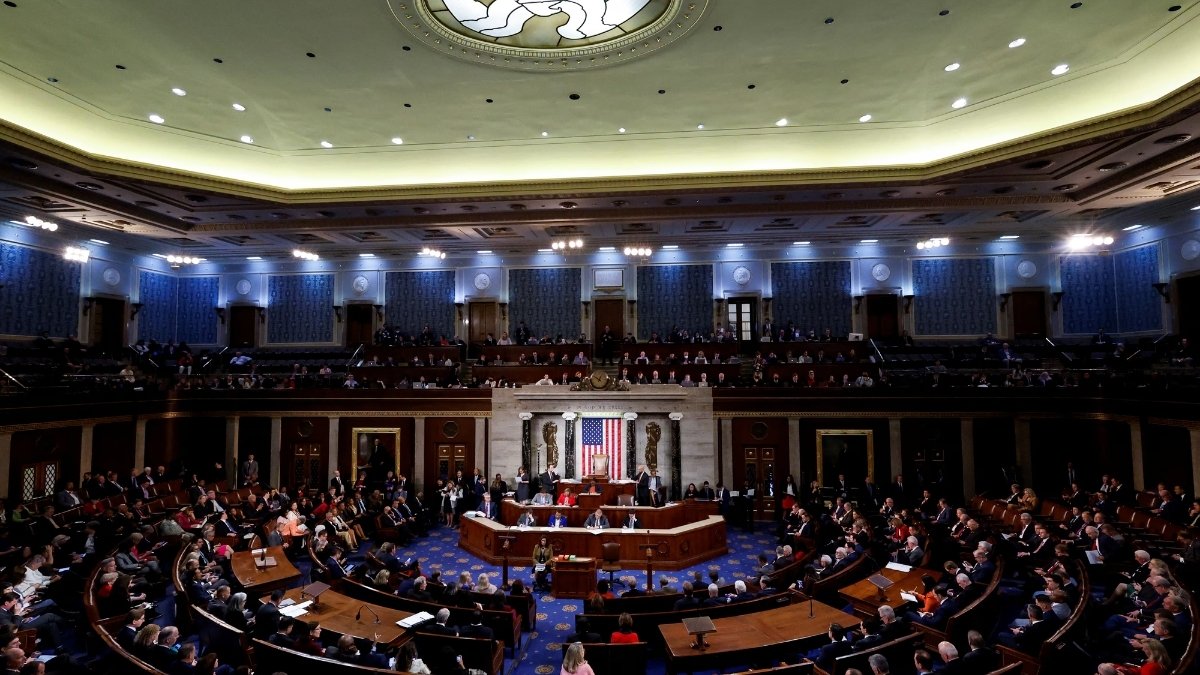
In September 1961, the U.S. Congress passed a resolution officially recognising Samuel Wilson as the inspiration behind Uncle Sam. This confirmed Uncle Sam’s status as a recognised national personification, even though he is not a legal institution like the Constitution or the flag.
Is Uncle Sam the U.S. Government?
Uncle Sam is not a real authority, but a symbolic figure.
He represents:
-
The federal government
-
National responsibility
-
Patriotism and civic duty
He is often used when the government speaks directly to citizens, especially about taxes, public duty, or military service.
Source: National Archives; Smithsonian Institution
What is Uncle Sam Known For?
Uncle Sam is best known for the famous “I Want YOU” poster from 1917.
Why is the poster so Significant?
-
Created by James Montgomery Flagg
-
Used during World War I recruitment
-
Inspired by earlier British posters
-
Became one of the most copied images in history
His Key visual features are as follows:
-
White beard
-
Top hat with stars
-
Pointing directly at the viewer
Uncle Sam Timeline
| Period | How Uncle Sam Appeared |
| Early 1800s | Nickname used by soldiers |
| Civil War era | Popular in political cartoons |
| 1917 | “I Want YOU” poster |
| 1961 | Official recognition by Congress |
Source: U.S. Congress Resolution (1961)
Is Uncle Sam Public Domain?
Yes. Uncle Sam is in the public domain. His image can be freely used, adapted, and reproduced. This is why he appears widely in posters, cartoons, advertising, and education.
Which Country Is Referred to as Uncle Sam?
The term “Uncle Sam” refers only to the United States. It is commonly used in writing, cartoons, and speech as a short way to mean the U.S. government.


-1769856074923.jpg)

Comments
All Comments (0)
Join the conversation