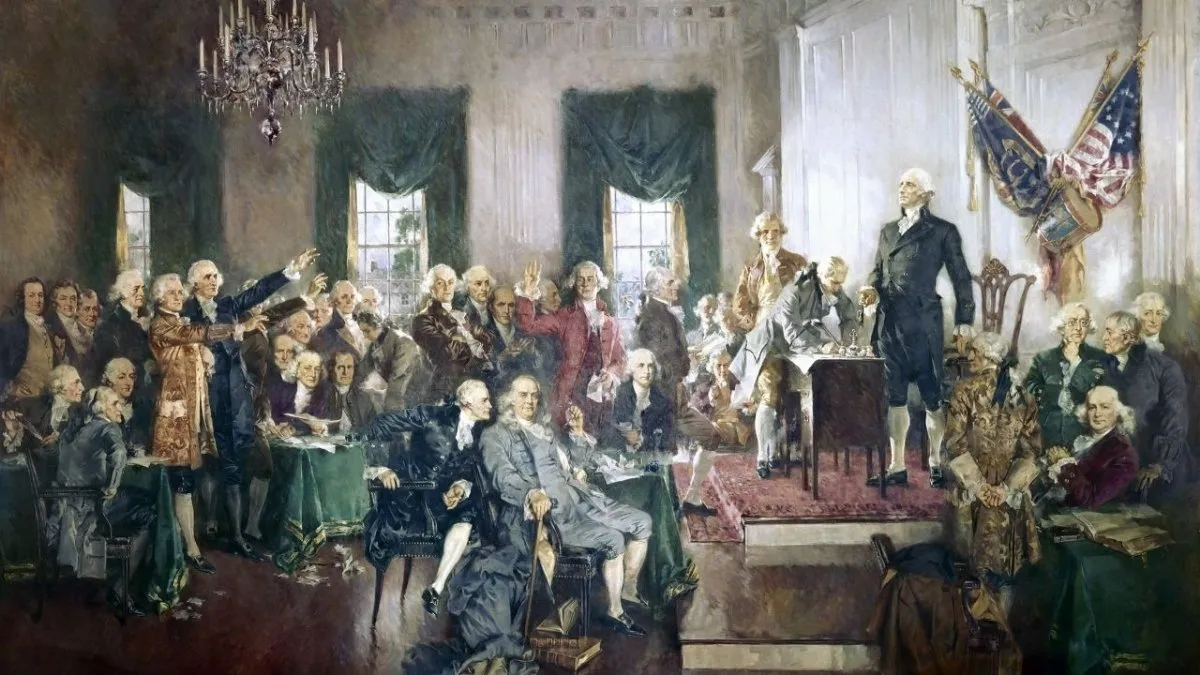
Do you know that the separation of powers is a cornerstone of the Constitution of the United States? Due to this, it is also one of the defining features of the American government.
It describes how authority is divided among different parts of government to prevent any one group from becoming too powerful.
This system was carefully designed by the Constitution’s framers to protect liberty and ensure a balanced government. Let us learn more about how it's different from the Checks and Balances through this article.
What is the Separation of Powers?
In its true sense, the separation of powers means that the federal government’s responsibilities are shared among three distinct branches:
-
The Legislative Branch
-
The Executive Branch
-
The Judicial Branch
Each branch has its own role, duties, and limits, and the Constitution assigns these roles in separate places within the document. This division makes it harder for any one branch to control all aspects of governance.
Why Did the Founders of the U.S. Constitution Create It?
The founders of the Constitution were deeply influenced by political philosophy. Not only this, but the problems of concentrated power they had seen under British rule were also one of the reasons.
They believed that giving all power to one person or group could lead to tyranny. As James Madison wrote in the Federalist Papers, combining legislative, executive, and judicial powers in the same hands would be “the very definition of tyranny”.
The Constitution does not explicitly use the words “separation of powers”, but it creates that effect by assigning different powers to each branch and keeping them separate in the text and structure of the document.
Check Out: What are the 7 Principles of the U.S. Constitution?
How the Three Branches Work?
The table below highlights that each branch has a distinct role, with its authority rooted in a specific part of the Constitution. Here is a simple overview of each branch and its primary responsibilities:
| Branch | Main Function | Key Constitutional Basis |
| Legislative | Makes federal laws | Article I of the Constitution |
| Executive | Enforces and administers laws | Article II of the Constitution |
| Judicial | Interprets laws and judges disputes | Article III of the Constitution |
Source: National Archives and Records Administration (NARA)
How is It Different from the Checks and Balances?
The Separation of Powers is closely tied to the system of checks and balances. While the branches are separate, they also have ways to limit each other’s powers. For example:
-
The President can veto laws passed by Congress.
-
Congress can override a veto with a sufficient majority.
-
The Supreme Court can declare laws unconstitutional.
-
The Senate must confirm presidential appointments.
These checks make sure that even though powers are separate, no single branch can act without accountability.
This design reflects the idea that ambition in one branch counteracts ambition in another, protecting freedom and preventing abuse.
Why It Still Matters Today?
The separation of powers remains central to how the United States government functions. It creates a dynamic balance between branches that must cooperate but also keep one another in check.
While this can sometimes lead to political friction, it is precisely this tension that guards against authoritarian control and preserves the constitutional rights of citizens.


-1770204618528.jpg)

-1770196372536.jpg)
Comments
All Comments (0)
Join the conversation