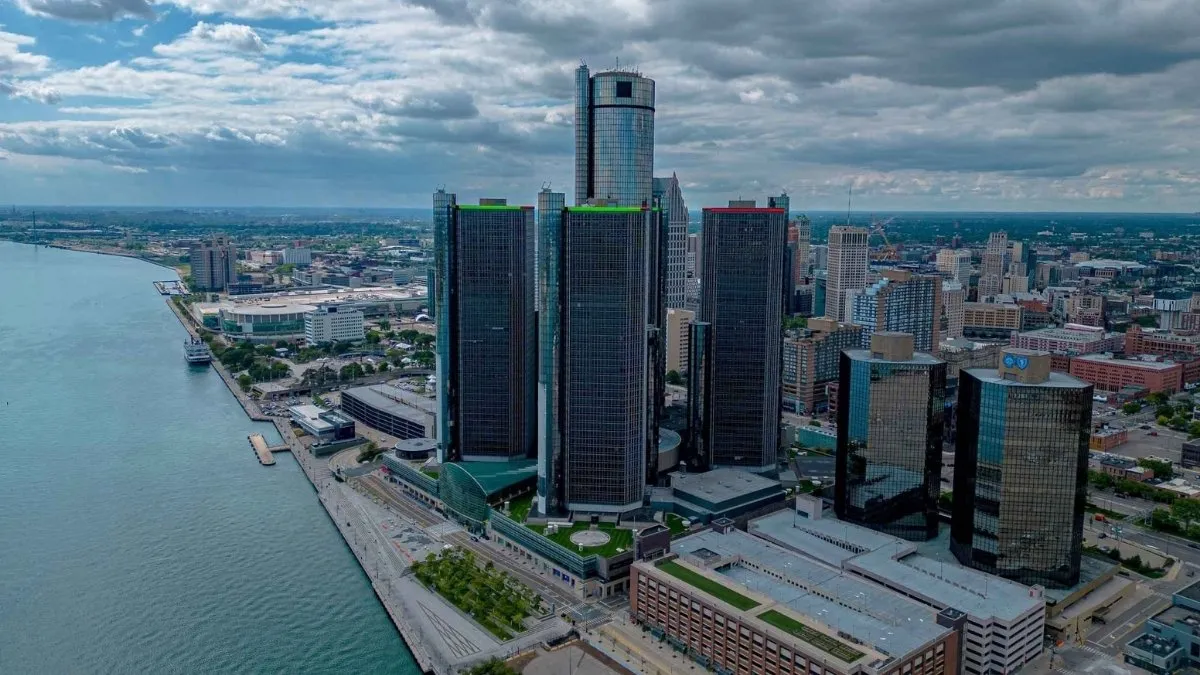
Michigan is often associated with lakes, forests, and wide-open spaces, but many of its cities also cover surprisingly large areas. When cities are measured by land area rather than population, the rankings look very different. This article explores the largest cities in Michigan by area, explaining why size matters and what makes each place unique.
What does “largest by area” actually mean?
When we talk about the largest cities by area, we are referring to the total amount of land within city boundaries. This is not the same as population size. Some cities spread out due to history, annexation, or planning choices, even if they are not the most crowded.
What are the Key Factors that Influence City Size?
The common factors are as follows:
-
Historical expansion and annexation
-
Industrial development needs
-
Suburban-style planning
-
Natural boundaries such as rivers and lakes
List of the Largest Cities in Michigan by land area
Below is a simplified overview of some of Michigan’s largest cities by area. The figures are approximate and focus on land area rather than water.
| City | Approx. Land Area (sq miles) | Known for |
| Detroit | 139 | Auto industry, culture |
| Grand Rapids | 45 | Furniture, arts scene |
| Livonia | 36 | Residential growth |
| Sterling Heights | 36 | Manufacturing base |
| Lansing | 36 | State capital |
Why is Detroit so large?
Detroit is by far the largest city in Michigan by area. Its size comes from decades of growth during the height of the automobile industry. As factories expanded, the city absorbed nearby land to support housing, transport, and industry. Today, this large footprint shapes everything from public transport to city services.
How do mid-sized cities compare?
Cities like Grand Rapids, Lansing, and Livonia may not match Detroit in scale, but they still cover significant land areas. These cities often balance residential neighbourhoods with commercial and green spaces, giving them a more spread-out feel than older, denser cities in other states.
Here are the common characteristics:
-
Wide road networks
-
Lower building density
-
Mixed-use zoning
Trivia
-
Yes, city size can influence how people experience daily life.
-
Larger cities by area often mean longer travel distances, greater reliance on cars, and more varied neighbourhoods.
-
However, they can also offer more parks, quieter residential areas, and room for future development.
Therefore, looking at Michigan’s cities by area gives a fresh perspective on urban life in the state. While population numbers often dominate discussions, land size tells its own story about history, planning, and lifestyle.
From the vast reach of Detroit to the balanced layouts of Lansing and Grand Rapids, Michigan’s largest cities by area reflect the state’s unique development over time.





Comments
All Comments (0)
Join the conversation