Key Points
- Ghiyasuddin Balban introduced Sijda (prostration) and Paibos (foot-kissing) in the 13th century.
- These Persian customs aimed to elevate the Sultan's status and consolidate his power.
- Balban also introduced the Persian New Year festival Nowruz to the Indian subcontinent.
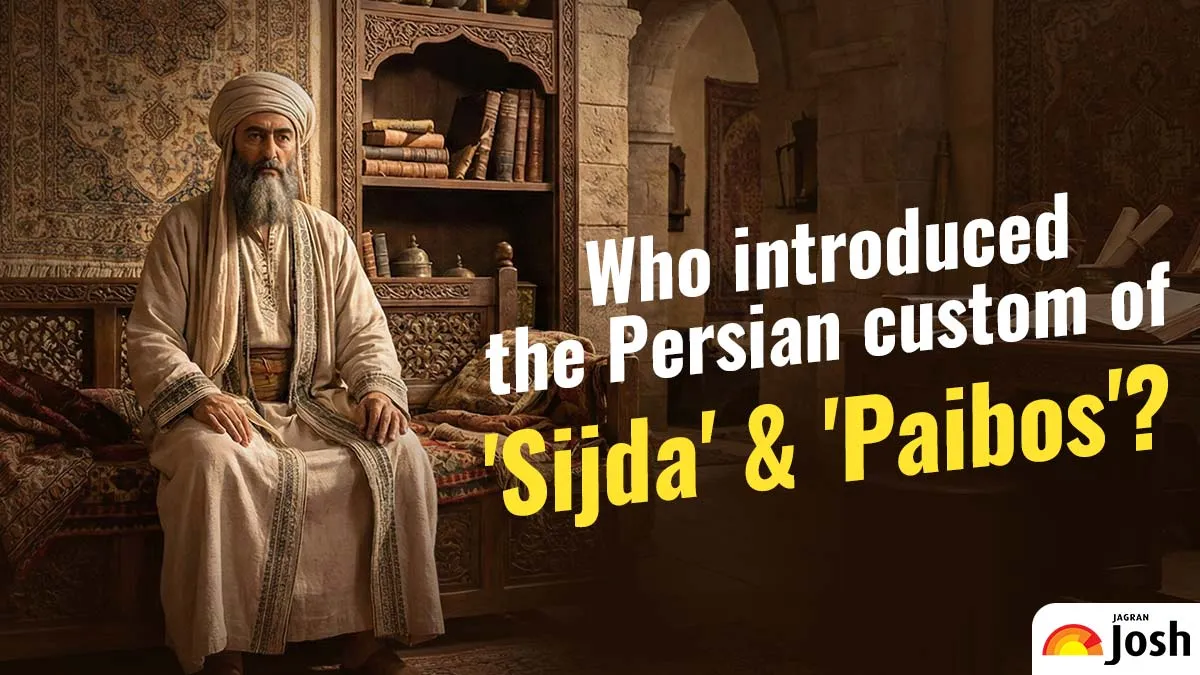
The Persian customs of Sijda (prostration) and Paibos (kissing the monarch's feet) were introduced by Ghiyasuddin Balban Sultan of the Mamluk Dynasty. These practices were part of his broader strategy to consolidate power, elevate the status of the Sultan and establish the "Divine Right" of kingship in the 13th-century Delhi Sultanate.
The Delhi Sultanate distinguishes itself for its profound political consolidation and cultural convergence. Ghiyasuddin Balban is still regarded as one of the most powerful Slave Dynasty kings. Balban, known for his "Blood and Iron" doctrine, attempted to isolate the Sultan from the common nobility and the general populace. To accomplish this, he drew on the majestic traditions of the Persian Sassanid Empire, inventing the Sijda and Paibo rites.
Ghiyasuddin Balban:
Ghiyasuddin Balban ascended the throne at a time when the prestige of the Sultanate had been significantly weakened by internal factions and the growing influence of the "Chahalgani" (the group of forty powerful nobles).
To restore order and command absolute obedience, Balban adopted the Persian concept of Zil-i-Ilahi (Shadow of God on Earth) and Niyabat-i-Khudai (Vicegerent of God). He believed that the King was superior to all other humans and that his actions were not subject to the scrutiny of the nobility.
Source: egyankosh
Also Read: Who Introduced Token Currency in India?
What is Sijda and Paibos?
Persian court etiquettes and ceremonies were introduced. He insisted on Sijda (prostate) and Paibos (feet-kissing). No one dares to have loose talks or cut jokes in the court. During royal ceremonies the court was lavishly decorated to the extent that Barani records that it was a matter of talk of the common people. While the Sultan was in a procession Sistani soldiers accompanied him with naked swords. To reinforce this divine status, Balban mandated two specific Persian court etiquettes:
-
Sijda (Prostration): This required nobles and visitors to prostrate themselves before the Sultan, touching their forehead to the ground as a mark of total submission.
-
Paibos (Kissing the Feet): This involved the act of kissing the Sultan’s feet to demonstrate loyalty and humility.
Why were These Customs Significant?
The introduction of these customs was not merely about vanity; it was a calculated political move to break the nobility by forcing powerful Turkish nobles to perform Sijda, Balban effectively crushed thor ego and reminded them that they were servants not equals to the Sultan.
Balban maintained a grave and stem court environment to maintain the Aura of Majesty. He gave up drinking, stopped laughing in public and surrounded himself with tall and imposed guards with drawn swords. Sijda and Paibos added to this atmosphere of awe and fear.
Balban was a great admirer of Persian culture, introducing the Persian New Year festival Nowruz to the Indian subcontinent and cementing the "Persianization" of the Delhi court.
-1764828864392.jpg)




Comments
All Comments (0)
Join the conversation