If you walk into a grocery store and grab a cluster of yellow fruit, you likely tell your friends you bought a bunch. But according to botanists and the International Banana Museum, you’ve actually just walked away with a hand. It sounds like the start of a strange riddle, but the anatomy of the world’s most popular berry (yes, it’s a berry!) is rooted in surprisingly human terminology.
The story behind what a group of bananas is called begins with the Arabic word banan, which literally translates to finger. This linguistic history shaped how we describe the fruit today. While a single banana is a finger, the small groups we see on kitchen counters are hands, and the massive, 100-pound towers growing on plantations are the only true bunches. Understanding this fruit-atomy isn't just for trivia night; it’s a glimpse into how one of the Earth's oldest cultivated crops grew from Southeast Asian jungles into a global dietary staple.
What is a Group of Bananas Called?
In formal English and botanical science, the collective noun for bananas depends entirely on the scale of the group. According to Chiquita and agricultural experts, the terminology follows a specific hierarchy:
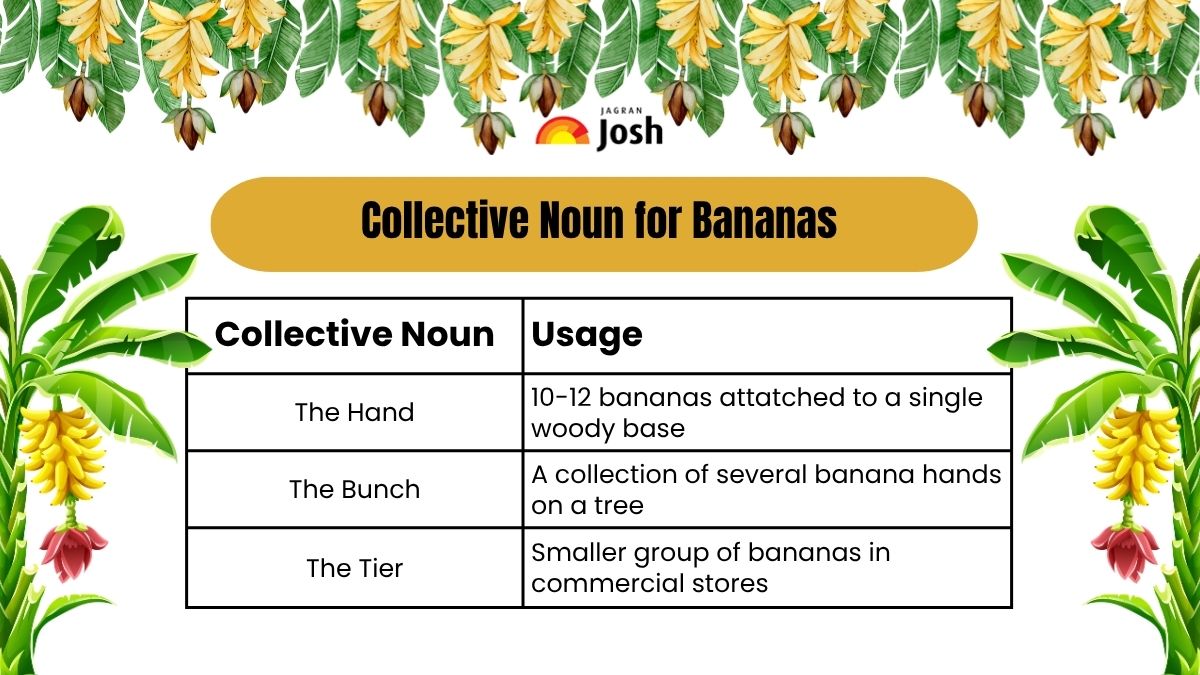
The Hand: This is the cluster of 10 to 20 bananas that you typically see attached at a single woody base. When you buy a bunch at the store, you are technically purchasing a hand.
The Bunch: Also known as a stalk, a true bunch is a massive collection of several hands. A single banana plant produces one large bunch that can contain up to 20 hands and weigh over 100 pounds (45 kg).
The Tier: In the shipping industry, hands are sometimes subdivided into smaller "clusters" or tiers for easier packaging.
What is a Single Banana Called?
Maintaining the anatomical theme, a single banana is officially called a finger. The fruit is elongated in shape, and hence the name, as it reaches out of the hand. Peeling a banana is much like separating a finger from the palm of a hand. And interestingly, the growth of these fingers is an event called negative geotropism. Unlike most fruits that grow downward to the ground, banana fingers grow upward toward the sun, which leads to that classic crescent shape we recognize today.
Find Out - What is the Scientific Name for the Banana?
Fun Facts about Bananas
Bananas are more than just a convenient snack; they are biological wonders. Here are some fast facts:
Radioactive Snack: Bananas are also high in Potassium-40, making them slightly radioactive (although you would have to eat 10 million at once to feel any ill effects ).
Genetic Twins: Humans share approximately 50% of our DNA with bananas.
Not a Tree: The banana tree is actually the world's largest herbaceous plant, related to ginger and cardamom.
Berry Weird: Botanically, bananas qualify as berries because they grow from a single flower with one ovary and have soft skin and seeds (even if the seeds are tiny).
Check Out - What is a Group of Buffalo Called?
Whether you call it a bunch, a hand, or a finger, the banana remains a marvel of nature. While "bunch" remains the popular go-to in casual conversation, knowing the botanical truth adds a layer of expertise to your next grocery run. Next time you grab a snack, remember: you’re actually just holding a finger!