Have You Ever Felt Calm After Seeing the Color Blue: Know Why That Happens?
Have You Ever Felt Calm After Seeing the Color Blue? Colors have the power to influence the moods of humans, they can either calm you down or excite you. In this article, read about the most calming color, why is the color blue calming, science behind calming colors and top 3 most calming colors.
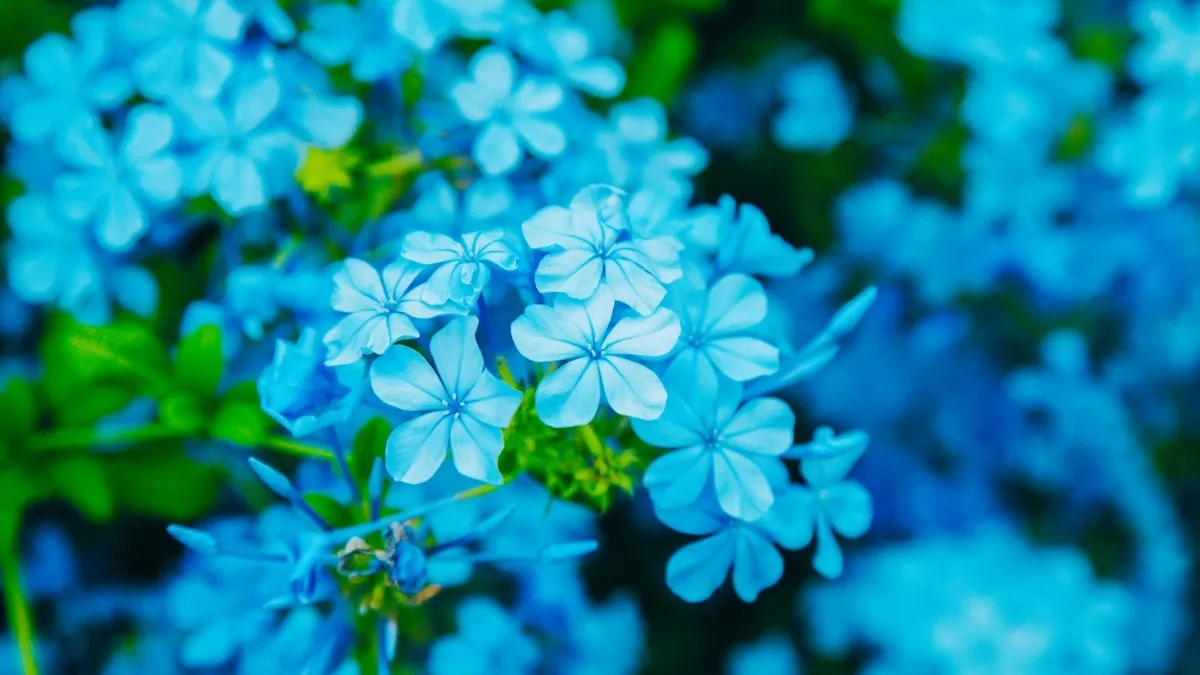
Colors have the power to influence the moods of humans, they can either calm you down or excite you. According to the American Psychological Association, colors can influence our emotional responses, stress, and concentration levels.
People usually find themselves feeling at peace, relaxed, and refreshed after seeing the color blue.
Sky, ocean and clean water are the reasons why we think of calm when we see the blue color as it creates a sense of security and relaxation.
Blue Color gives calm vibes as it represents nature and is associated with serenity and balance of emotions.
This is why blue is widely used in hospitals, offices, meditation rooms, and bedrooms.
Did You Know Blue is the Most Calming Color?
The blue color is thought to be the most soothing color because of its peaceful and relaxing nature. Studies carried out by color psychologists show that the blue color helps reduce stress and anxiety while promoting concentration. People tend to feel protected and secure in its presence since it reminds them of nature’s elements, such as the sky and ocean.
Read: Quote of the Day by Fyodor Dostoevsky
Have You Ever Felt Calm After Seeing the Color Blue: Why Does That Happen?
Blue often causes people to feel calm since it relates to peace, trust, and emotional comfort. The calming effect of blue is why many schools, hospitals, and businesses incorporate blue into their design and environment.
-
Blue is related to experiences of peace and emotional comfort.
-
The color causes milder emotional reactions compared to bright colors.
-
Blue can help in reducing stress and mental tension.
-
According to experts, blue can improve concentration and emotional stability.
-
Many businesses use blue to achieve trustworthiness.
What is the Science Behind Calming Colors?
Colors that have a calming effect on one’s mind do so through the impact on emotions, mood, and attention.
Colors such as blue and green are associated with nature and provide an environment conducive to relaxation and safety.
On the other hand, brighter colors are believed to increase excitement and awareness. Calming colors are believed to promote mental well-being in different environments.
Top 3 Most Calming Colors
Some colors have stronger associations with relaxation and psychological equilibrium compared to other colors, which are known as the calming colors due to their effect.
According to the experts of color psychology, the following are considered the colors that have the strongest connection with relaxation.
-
Blue is a color that helps to alleviate tension and brings mental tranquility.
-
Lavender or light purple are colors that are connected with comfort, relaxation, and emotional revitalization.
-
Green is linked with nature, balance, and freshness, hence bringing about mental refreshment.
Colors like these are often used in meditation spaces, spas, bedrooms, and therapeutic sessions since they offer a calming influence.
Check: Colour Psychology Test: What Liking Purple Reveals About You?
Conclusion
We feel calm after seeing the color blue because it is famous for its ability to instill peace and tranquility. Blue color is associated with nature, trust, and stability.
Calming colors can affect mood, decrease stress levels, and increase concentration.
Knowing what colors represent or mean makes it easier to understand why blue is among the most calming colors.

Alisha Louis is a US Content Specialist with a Bachelor of Journalism and Mass Communication (BJMC) graduate degree. With over 3 years of experience and a keen eye for detail and a passion for storytelling, she specializes in covering trending news and educational developments across the United States. Her articles combine journalistic POV with engaging narratives, making complex topics accessible and relevant for global audiences. Dedicated to delivering timely and trustworthy content, Alisha brings a fresh, insightful perspective to every piece she writes.


