Chinese Proverb of the Day: "Dig the well before you are thirsty."
Discover the Chinese proverb of the day, Lín kě jué jǐng (临渴掘井), which warns against waiting until crisis strikes to build your resources, a timeless lesson on proactive preparation that perfectly mirrors the intense demands of the 2026 fast-paced landscape.
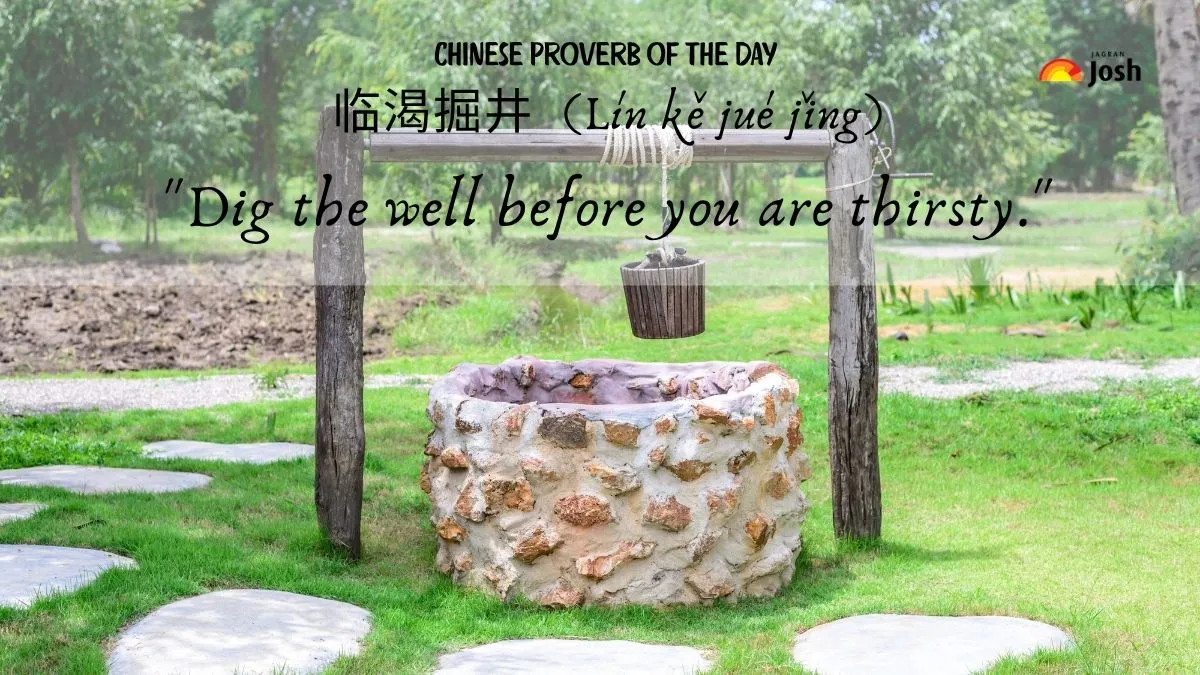
If you wait until a crisis hits to build your defenses, you are already too late. This Chinese proverb of the day, 临渴掘井 (Lín kě jué jǐng) literally translates to “dig the well before you are thirsty,” a stinging rebuke of living reactively.
For instance, in a job market that is changing at breakneck speed, especially in 2026, with companies restructuring at the last minute and the sudden integration of AI in the workforce requiring instant adaptability, eleventh-hour panic is a losing strategy.
Meanwhile, this ancient Chinese proverb challenges you to have a proactive mindset instead, so you build your skills and safety nets long before the drought knocks at your door.
Chinese Proverb of the Day
Chinese Proverb: 临渴掘井 (Lín kě jué jǐng)
Literal English Translation: "Dig the well before you are thirsty."
What is the Meaning of the ‘Dig the Well before You are Thirsty’ Proverb?
The proverb 临渴掘井 (Lín kě jué jǐng) is, at its heart, a commentary on the ultimate futility of panic-driven problem-solving. Literally, its English translation reminds us to dig our wells early.
The philosophical heft of this Chinese proverb on preparation carries a potent warning: waiting until a crisis to find solutions is inherently self-defeating.
True foresight is not a luxury; it is a prerequisite for survival. When you wait until you are already parched to start digging deep into the earth, the physical exhaustion of dehydration will claim you long before you strike water.
So, the more subtle meaning of this Chinese saying is that stability is based on peace, not desperation. It advises you to protect your personal, academic, and professional resources when you need them the least, so you will have them when you need them the most.
Everyday Lessons from this Chinese Proverb in the Modern Day?
For young students and ambitious professionals navigating an unpredictable economy, this proverb serves as a strategic blueprint.
| Life Aspect | The Reactive Approach (Digging late) | The Proactive Approach (Digging early) |
| Career Growth | Learning new AI tools only after a layoff. | Upskilling constantly to stay ahead of tech shifts. |
| Financial Security | Scrambling for emergency cash during a crisis. | Building an automated, high-yield savings safety net. |
| Academics | Pulling an all-nighter for a critical final exam. | Consistent, daily review sessions over the semester. |
| Professional Network | Cold-messaging recruiters only when unemployed. | Cultivating genuine industry relationships year-round. |
Check out Ancient Chinese Proverbs and their Meanings below!
"Crooked trees live out their full lives; straight trees are cut down first."
"If small holes aren't fixed, then big holes will bring hardship."
"When the winds of change blow, some people build walls and others build windmills."
What is the Origin History of this Ancient Chinese Proverb?
The origins of this idiom go back more than two thousand years, and it provides a fascinating insight into ancient military and political strategy.
"To wage war after the conflict has begun, or to dig a well only when one is already parched with thirst, are these actions not identical to waiting until you are choking to forge your weapons? By then, it is far too late."
— The Spring and Autumn Annals of Master Yan (Yanzi Chunqiu)
It is a text from the Eastern Zhou period that records the sharp wit of Yanzi, a prime minister who often used metaphors of basic survival to advise rulers on governance.
This phrase is thus cemented as the definitive ancient Chinese proverb on preventative strategy, as the historical text notes that a state that is not preparing its borders and stockpiling grain in peacetime can have no hope of surviving a sudden invasion.
Also Read Japanese Proverbs and Their Meanings Here!
"Even Monkeys Fall From Trees."
“Fall Seven Times, Stand Up Eight.”
"A Seed That Is Not Sown Will Not Sprout."
"The Bamboo that bends is Stronger than the Oak that Resists."
In a nutshell, do not wait for your current wellspring to run dry. Embody the Chinese proverb of the day by taking one proactive action toward your future security before the sun sets tonight. Bookmark this page and return tomorrow for your next daily dose of timeless wisdom!

Harshita Singh specializes in US affairs and general knowledge, simplifying intricate geopolitical and historical subjects into clear, digestible insights for learners. Holding a BA (Hons) in English from the University of Delhi and with over three years of experience in educational writing, she produces authoritative, thoroughly researched content that empowers readers to engage confidently with global current affairs. For inquiries, you can reach out to her at harshita.singh@jagrannewmedia.com.


