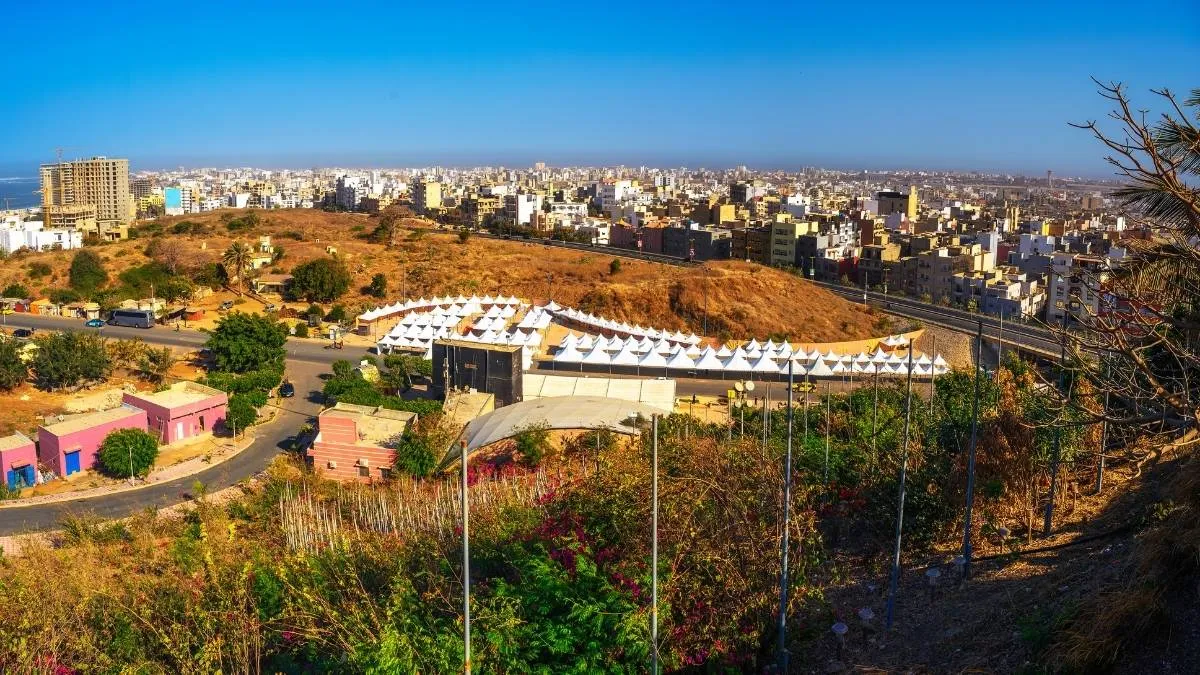
West Africa is home to some of the continent’s most dynamic cities and countries, and each has its own story to tell. Among them, one country, Senegal, stands out as a centre of politics, culture, and commerce, drawing travellers, historians, and entrepreneurs alike. The country is full of colourful markets and lively festivals. Not only this but, you get coastal views and historical landmarks as well. But what is the capital of Senegal, and what makes it so remarkable? This article offers a unique glimpse into the country's capital city and its history.
What is the History of the Capital of Senegal, Dakar?
The capital of Senegal is Dakar. It has a rich and complex history, and was initially inhabited by the Lebou people. It became an important trading post in the 15th century as European explorers arrived. Moreover, under French colonial rule, Dakar developed into the administrative centre of French West Africa. Following Senegal’s independence in 1960, Dakar was officially declared the national capital. Today, the city reflects its historical roots while embracing modern urban growth, making it a living testament to Senegal’s journey through time.
What is famous about Dakar, Senegal?
Dakar is internationally known for its arts, music, and cultural festivals. Moreover, the Dakar Biennale celebrates contemporary African art, while traditional Mbalax music fills the streets with rhythm and energy.
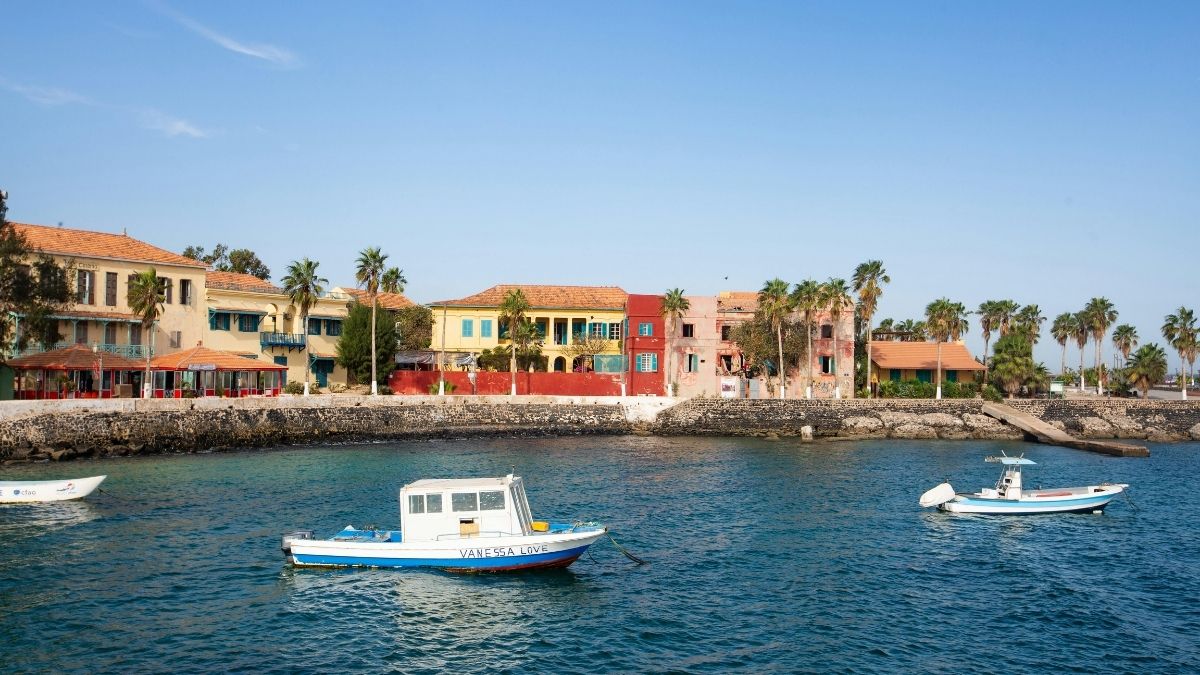
There are some famous Historic sites, such as Gorée Island, and pristine beaches that attract tourists worldwide. Apart from this, markets, local cuisine, and friendly communities make Dakar an unforgettable destination for visitors seeking both adventure and cultural immersion.
What is the Climate and Geography of Dakar?
Dakar experiences a tropical climate with a wet season from June to October and a dry season from November to May. Its coastal location offers beautiful beaches and ocean breezes that enhance its appeal.
Check Out: List of 7 Most Beautiful Waterfalls in the World, Check Here!
Language in Dakar
The official language of Dakar is French, which is widely used in government, education, and media. Wolof, Pulaar, and Serer are also commonly spoken. These reflect the city’s rich ethnic diversity and vibrant culture.
Currency and Economy
Senegal uses the West African CFA franc (XOF). As the country’s economic hub, Dakar hosts banking, trade, and tourism sectors that drive national growth. Its port is among West Africa’s busiest, further cementing the city’s economic importance.
Therefore, from its history to modern urban life, Dakar is a city that embodies the spirit of Senegal. It stands as a cultural, political, and economic beacon, welcoming visitors and residents to experience the nation’s heart in all its vibrancy.
You May Also Like to Read: International Day of Persons with Disabilities 2025, Check Significance!
To see more of such stories, you can go ahead and add this site to your preferred sources by clicking here.


Comments
All Comments (0)
Join the conversation